
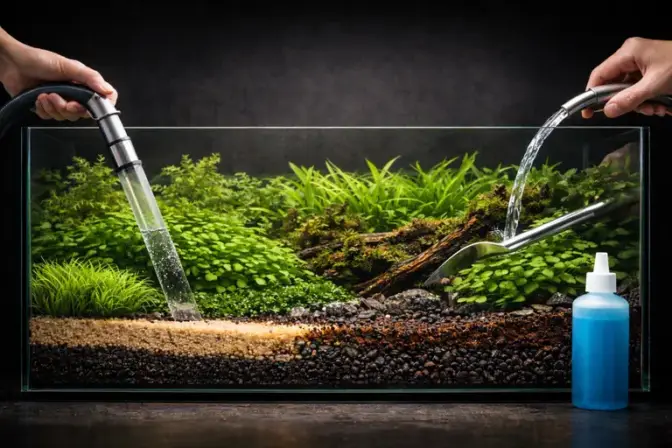
Aquarium Tools: Cleaning, Maintenance & Water Change Systems
Aquarium tools are the hands of your aquarium system. They make maintenance faster, safer, and more consistent — from cleaning algae and vacuuming substrate to planting, trimming, and performing stress-free water changes.
This Aquarium Tools Guide brings together the core tool modules — Aquarium Cleaning Tools, Aquarium Plant Tools, and Aquarium Water Change Tools — so you can build a complete workflow for glass, substrate, equipment, plants, and water quality.
Most aquariums don’t struggle because the owner “doesn’t care.” They struggle because the workflow is inefficient: the wrong tools, messy routines, inconsistent cleaning, or stressful water changes that get postponed. This pillar helps you choose the right tools, build a maintenance rhythm, and keep your aquarium stable — without turning the hobby into a chore.
What You’ll Learn in This Guide
- What aquarium tools are truly essential (and what is optional)
- How to build a complete maintenance workflow: clean → trim → change water
- Which tools prevent algae, waste buildup, and avoidable stress
- How to choose tools based on tank type (planted, shrimp, community, reef)
- Common tool mistakes that cause scratches, leaks, and contamination
What Are Aquarium Tools?
Aquarium tools are purpose-built maintenance and aquascaping instruments used to clean surfaces, remove waste, handle plants and hardscape, and manage water changes efficiently. They help you maintain stable water quality while protecting glass, acrylic, plants, and livestock from accidental damage.
In practice, tools fall into three categories: cleaning tools (glass, decor, hoses), plant tools (planting, trimming, algae control), and water change tools (siphons, hoses, pumps, adapters). Together, they define how easy — or frustrating — long-term aquarium care becomes.
When chosen intentionally and used consistently, aquarium tools reduce maintenance time, prevent common problems, and keep your tank looking sharp without constant “deep cleans.”
Pick Your Tools Focus
Choose your desired outcome and explore the matching tools module:
- I want a spotless tank with clean glass, corners, and equipment → Aquarium Cleaning Tools
- I want precision tools for planting, trimming, and aquascaping maintenance → Aquarium Plant Tools
- I want faster, cleaner water changes with fewer spills and less stress → Aquarium Water Change Guide
Tools System Philosophy
Aquarium maintenance is a rhythm, not a rescue mission. The best toolkits are built around repeatable, low-stress routines — small weekly actions that prevent big monthly problems. Tools should make you more consistent, not more “equipped.”
Think in a simple workflow: clean surfaces (algae, biofilm), remove waste (substrate, debris), then restore stability (water change, conditioning). If your tools match this order, your tank stays clean without aggressive scrubbing or constant algae battles.
Tools also connect directly to system stability. Strong lighting and CO₂ increase growth, which increases trimming and cleaning demand — see our Aquarium Lighting Guide and CO₂ System Guide if you run higher-energy planted tanks.
Manual vs “Automation-Friendly” Tool Setups
Manual toolkits focus on quick weekly routines: a magnetic cleaner, sponge/scrubber, a small siphon, and basic plant tools. They are ideal for nano tanks, beginners, and low-tech aquariums.
Automation-friendly setups reduce friction further: faucet-connected water changers, pump + hose systems, flow control valves, hose holders, and organized storage. They are ideal for larger tanks or anyone who wants consistency without effort.
The lower the friction, the more consistent the maintenance — and consistency beats intensity.
Common Aquarium Tools Mistakes
Most tool-related problems trace back to predictable mistakes:
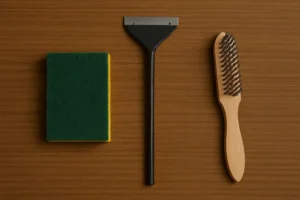
- Using the wrong cleaner for the tank material → abrasive pads or razor blades can scratch acrylic.
- Letting sand get trapped in magnets → micro-scratches on glass from dirty magnetic cleaners.
- Over-cleaning the aquarium → deep scrubbing removes beneficial biofilm and destabilizes the tank.
- Cross-contamination between tanks → shared tools can spread disease or algae spores.
- Messy water changes → no hose control, no clips, wrong adapters, and avoidable spills.
- Buying random tools without a workflow → lots of gear, but no consistent routine.
Essential Aquarium Tools Setup
- Glass and surface cleaning → magnetic cleaner + scrubber pad + sponge
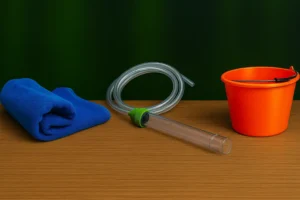
- Waste removal → siphon or gravel vac sized to your tank
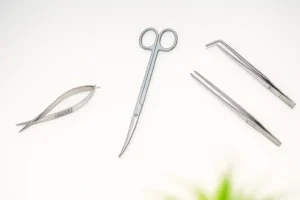
- Precision plant handling → tweezers + scissors (curved or straight)
- Water change control → hose, clips/holders, flow valve, dechlorinator workflow
- Tool hygiene → rinse, dry, and separate storage to prevent contamination
- Optional upgrades → pump systems, inline diffusers, automation-friendly plumbing
Comparison of Core Tools Modules
| Module | Main Role | Typical Tools | Difficulty | Best For |
|---|---|---|---|---|
| Cleaning Tools | Clarity and hygiene | Magnet, scrubbers, brushes, scrapers | Beginner | Any aquarium (freshwater and saltwater) |
| Plant Tools | Planting and shaping | Tweezers, scissors, spatulas, CO₂ accessories | Beginner–Intermediate | Planted tanks and aquascapes |
| Water Change Tools | Stability and waste export | Siphons, gravel vacs, hoses, pumps, valves | Beginner–Intermediate | Consistency, large tanks, busy routines |
Frequently Asked Questions
What aquarium tools do I really need as a beginner?
Start with a magnetic cleaner (or scrubber pad), a simple siphon or mini gravel vac, and a basic set of tweezers and scissors if you keep plants. A small, consistent toolkit beats a big, unused one.
Can I use household tools like sponges or brushes?
Only if they are dedicated to aquarium use and guaranteed chemical-free. Many household sponges contain additives or residues that are unsafe for fish and shrimp.
How do I prevent scratches from a magnetic cleaner?
Rinse the magnet pads often, keep sand away from the contact surface, and stop immediately if you feel grit. For tanks with sand, lift the magnet slightly above the substrate line instead of dragging it through the bottom edge.
How often should I clean and disinfect aquarium tools?
Rinse and dry tools after every session. Disinfect tools between different tanks (or after disease/algae outbreaks). The goal is hygiene without introducing chemicals into the aquarium.
What is the easiest way to make water changes less stressful?
Reduce friction: use hose clips, a flow control valve, and a consistent refill routine. For larger tanks, faucet-connected changers or a pump + hose setup can save massive time and prevent spills.
Conclusion
Aquarium tools turn good intentions into consistent action. With the right toolkit, maintenance becomes faster, cleaner, and more predictable — which keeps water quality stable, algae under control, and your aquarium looking sharp long-term.
Ready to upgrade your workflow?
Pick a tools module above and build a maintenance routine that stays easy enough to repeat every week.
New to AquariumLesson? Start with our complete Aquarium Lessons Hub or return to the homepage at AquariumLesson.com.
Start building your aquarium in My Aquariums
Save this lesson and keep it connected to your aquarium planning and care routine.