 Intermediate
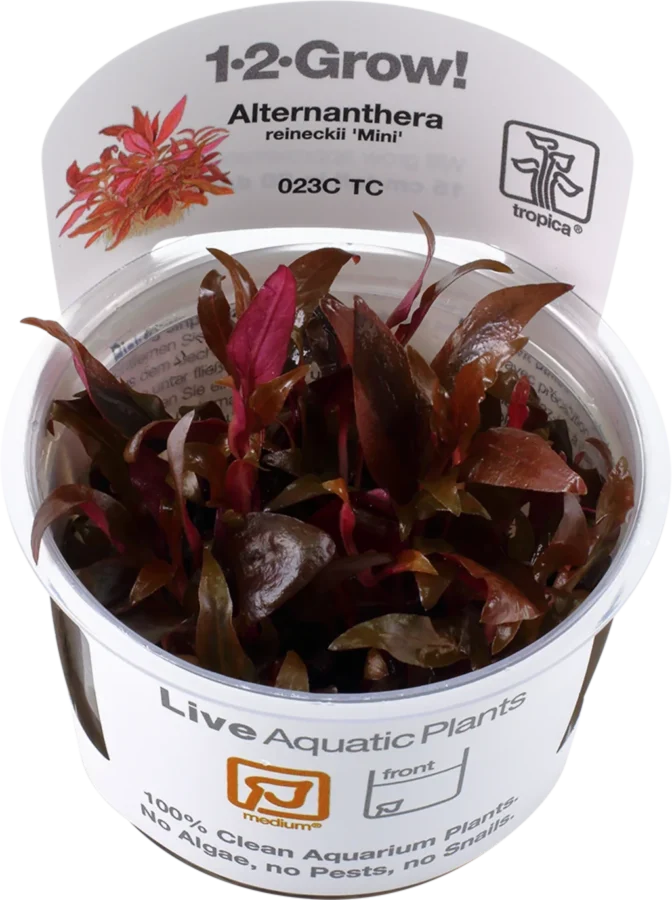
Alternanthera reineckii 'Mini'
Alternanthera reineckii Briq.


 17–25°C
 Medium Light
Browse red aquarium plants and compare growth rate, placement, temperature and light requirements. Colour intensity can vary considerably between species and growing conditions, so use each plant profile to find the right fit for your aquarium.
126 matching plants
Collection note: plants are included when red is recorded in their Plant Database colour data; names and photos are not used to infer colour.
Showing the first 24 alphabetically. Open a profile for the complete care data.
Intermediate17–25°CMedium Light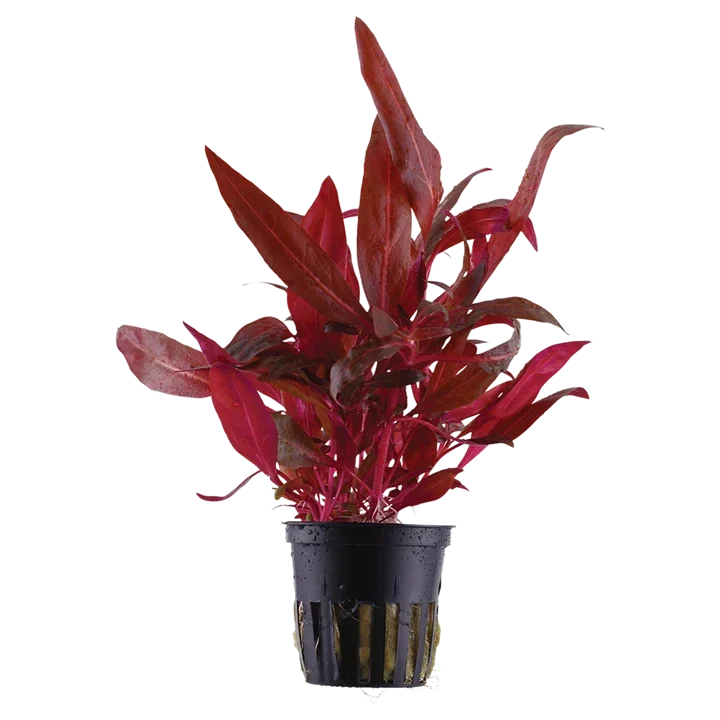 Intermediate17–25°CMedium Light
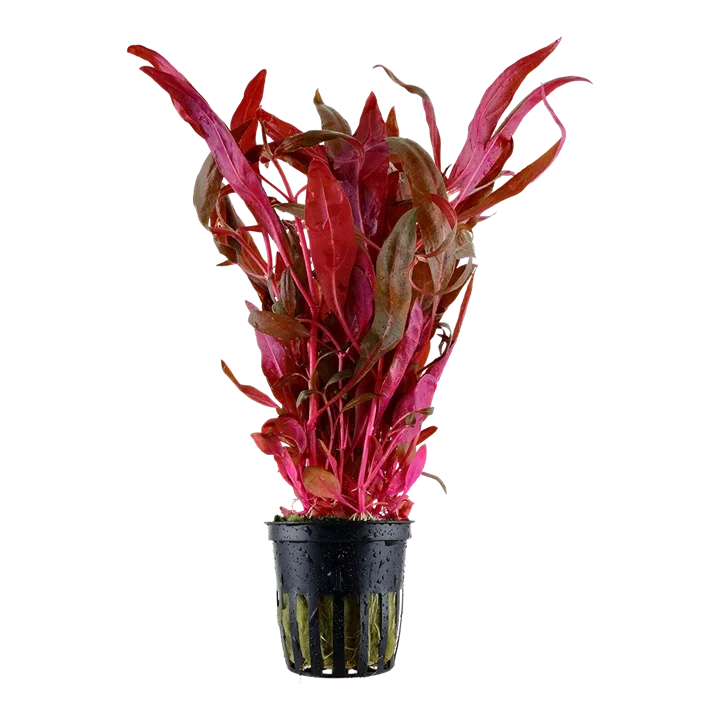 Intermediate
 17–25°CMedium Light
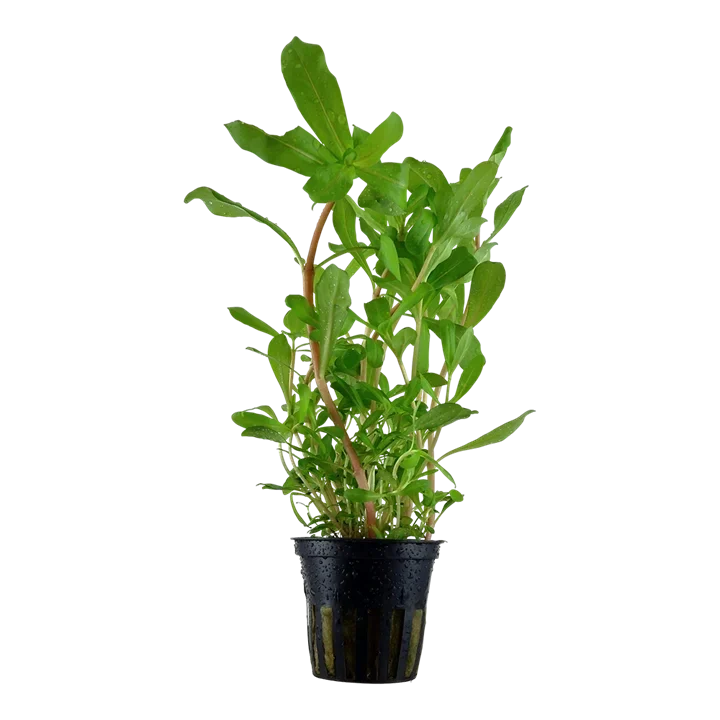 Advanced
 22–28°C
 High Light
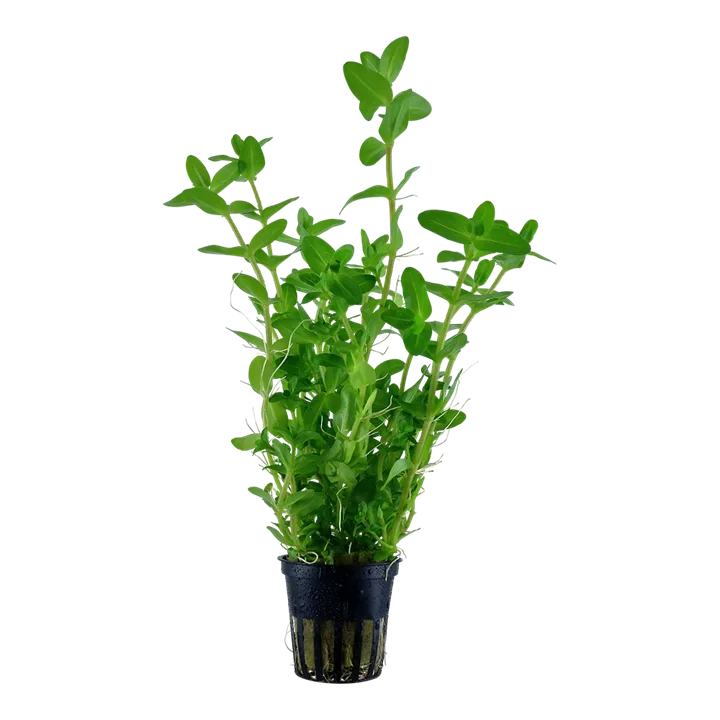 Beginner20–25°CMedium Light
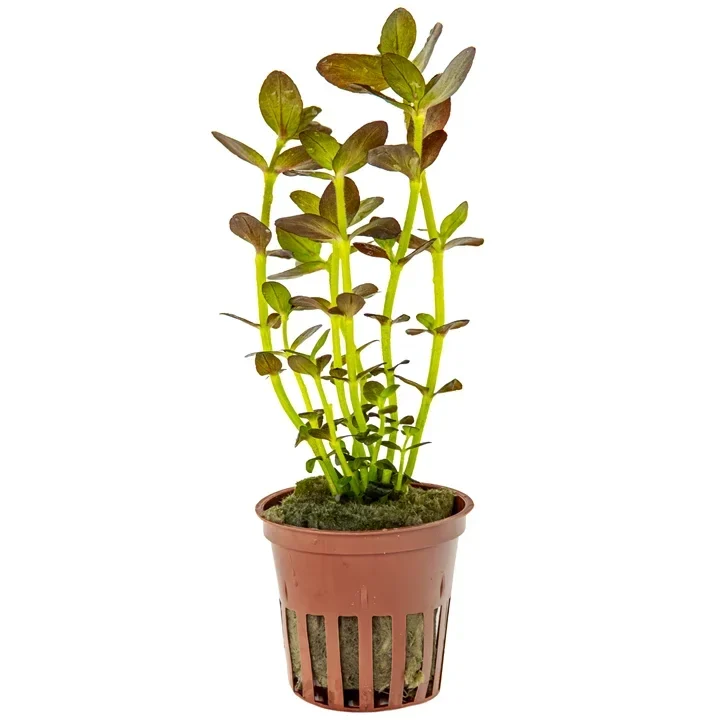 Intermediate
 15–30°CMedium Light
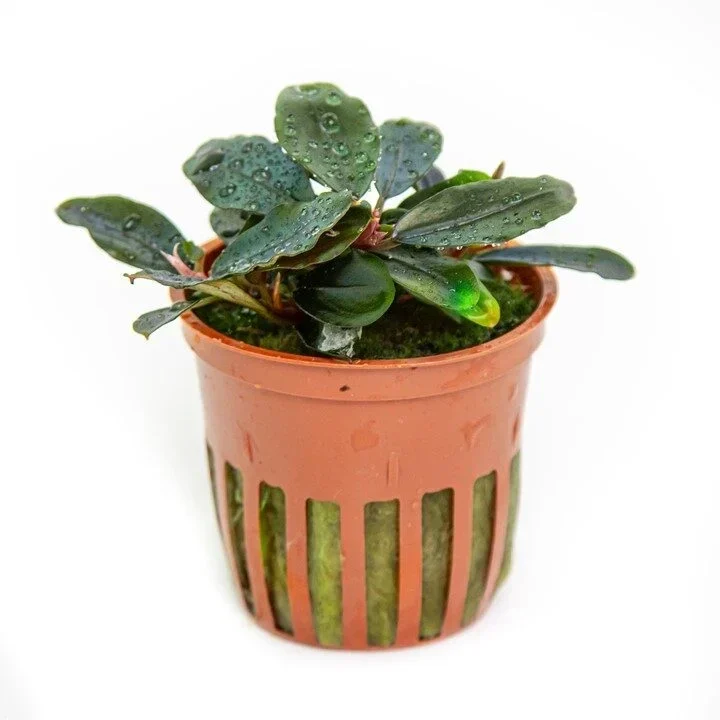 Beginner
 20–26°C
 Low Light
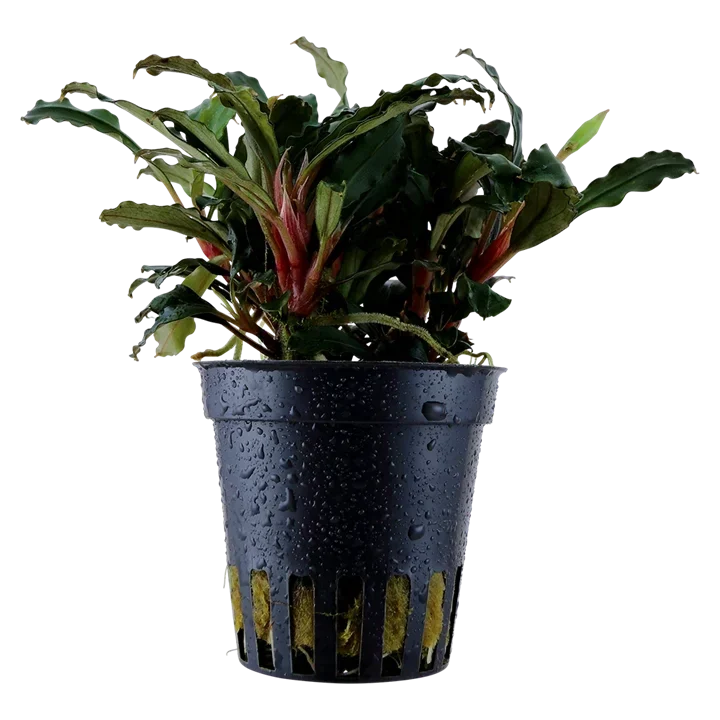 Beginner20–26°CLow Light
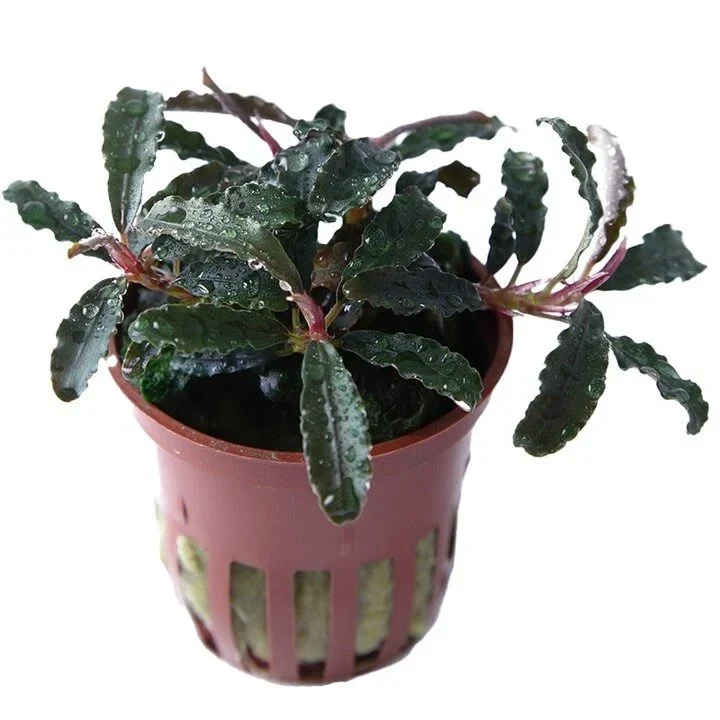 Beginner20–26°CLow Light
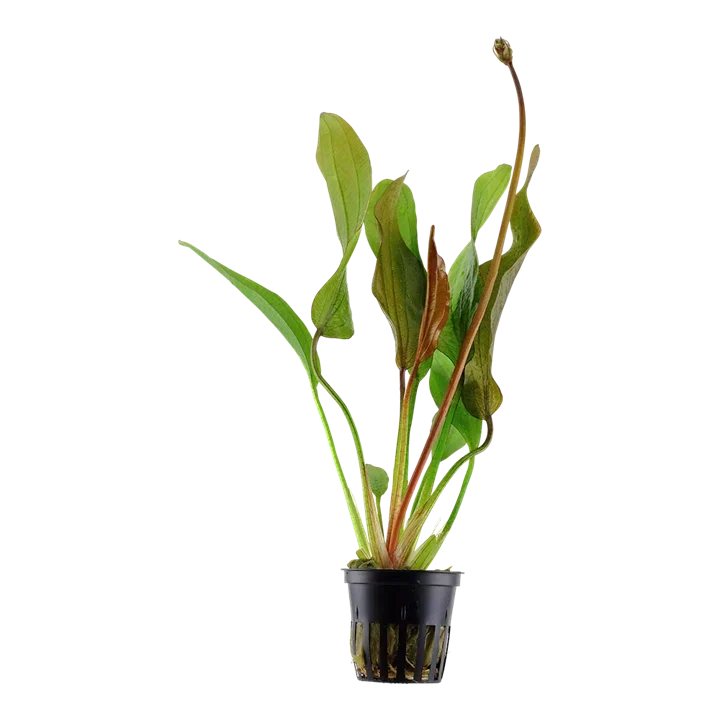 Intermediate20–28°CLow Light
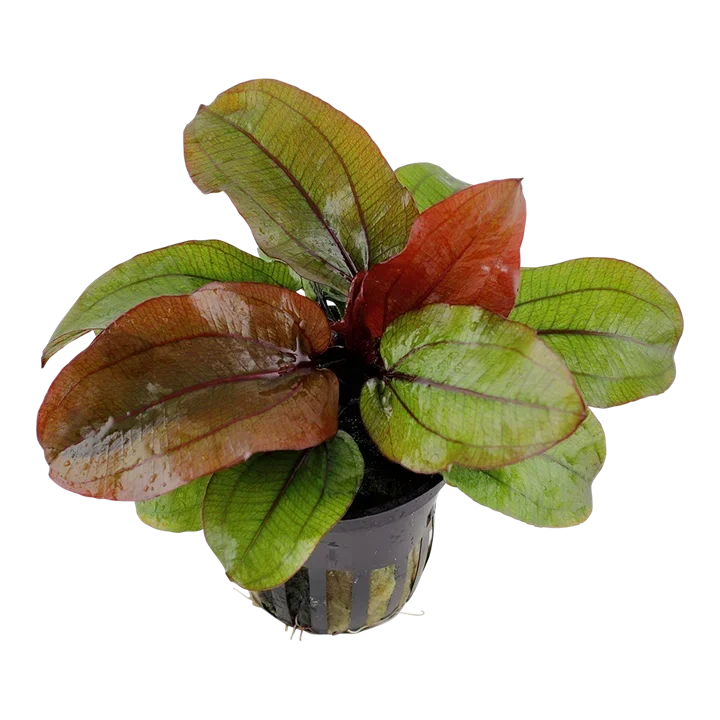 Beginner20–28°CMedium Light
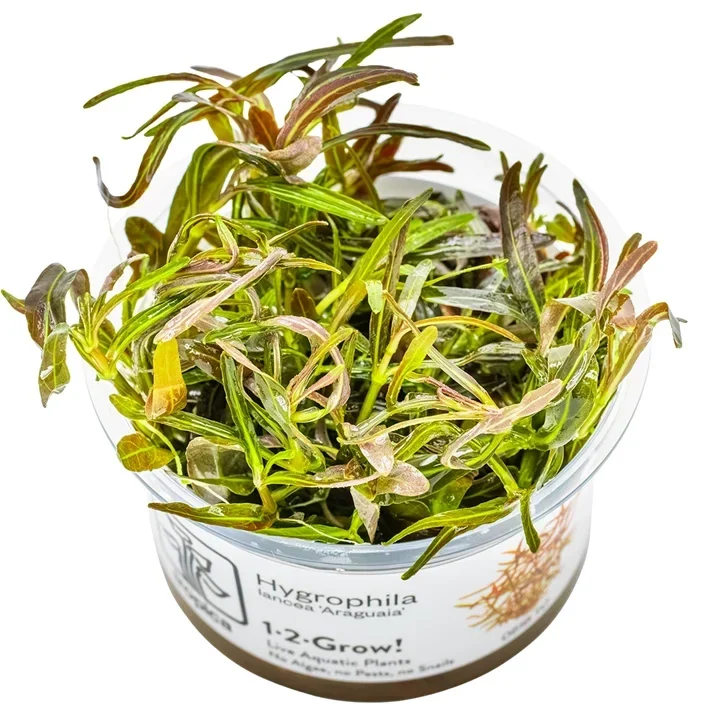 Intermediate24–28°CMedium Light
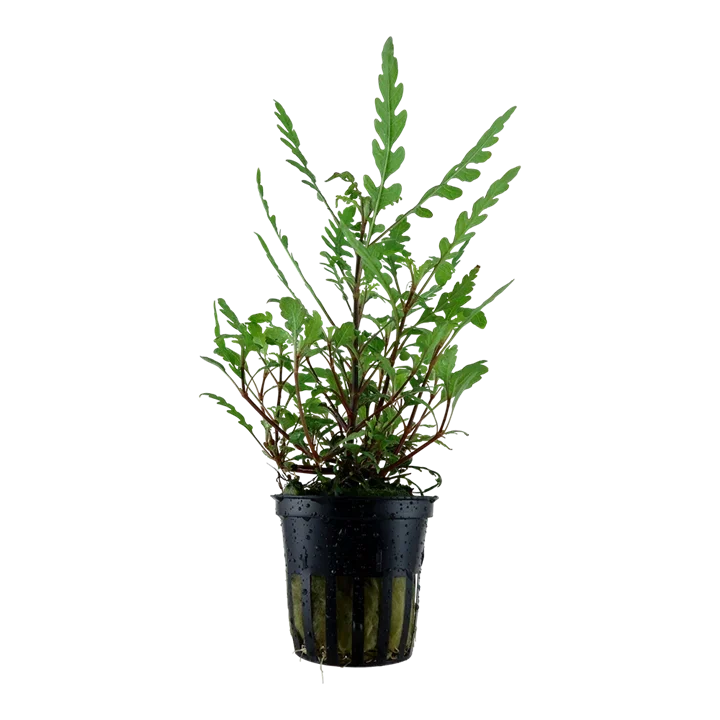 Intermediate22–26°CMedium Light
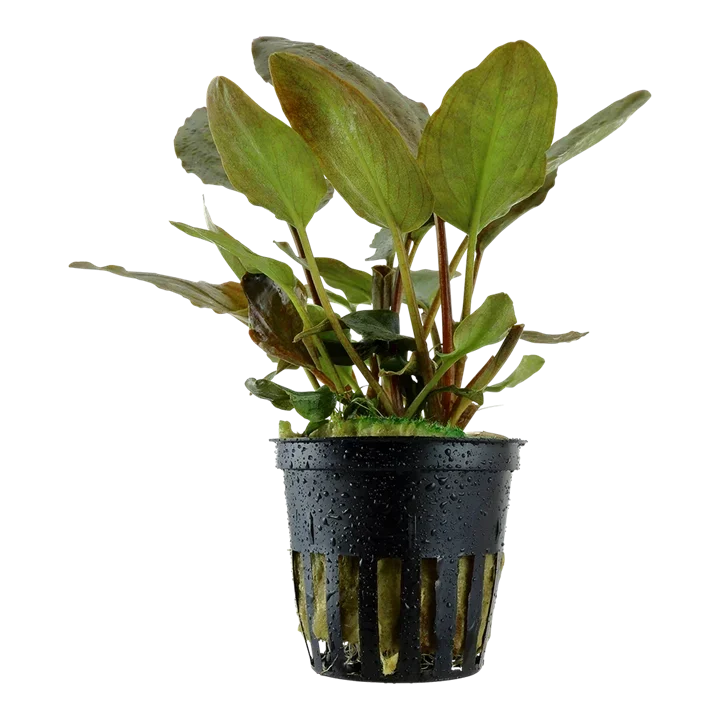 Beginner12–28°CLow Light
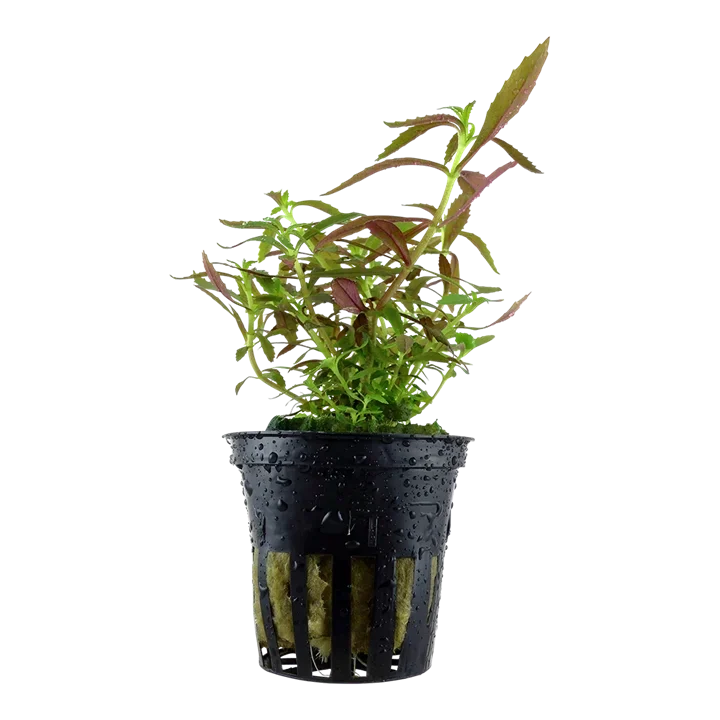 Intermediate22–27°CLow Light
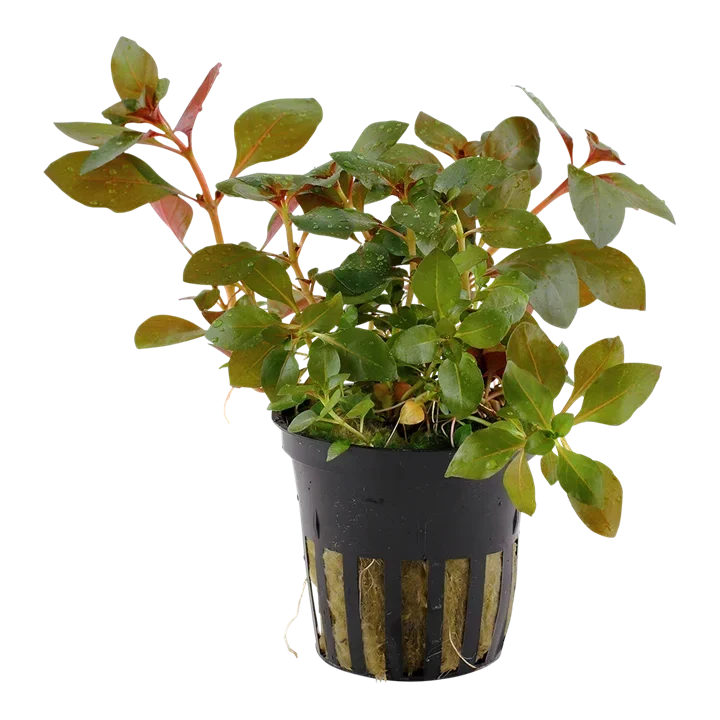 Beginner18–28°CMedium Light
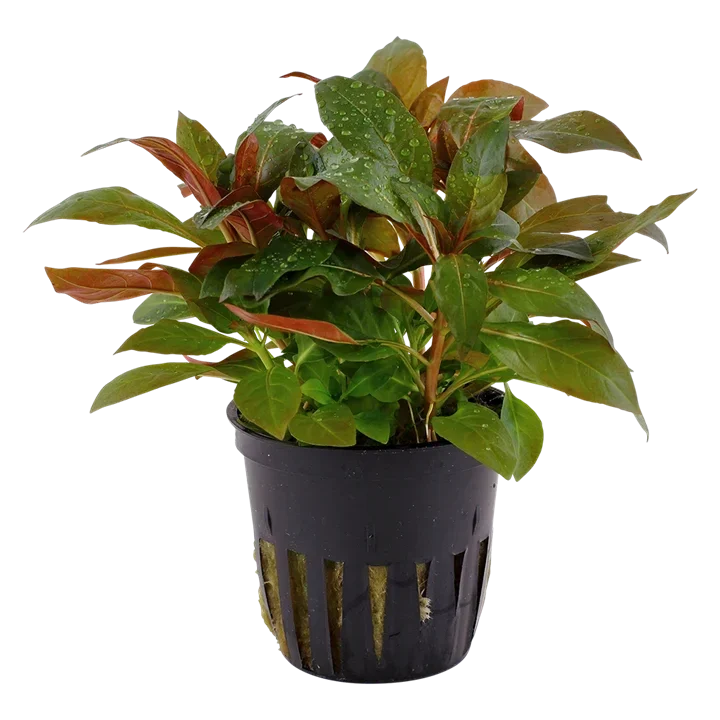 Intermediate22–25°CLow Light
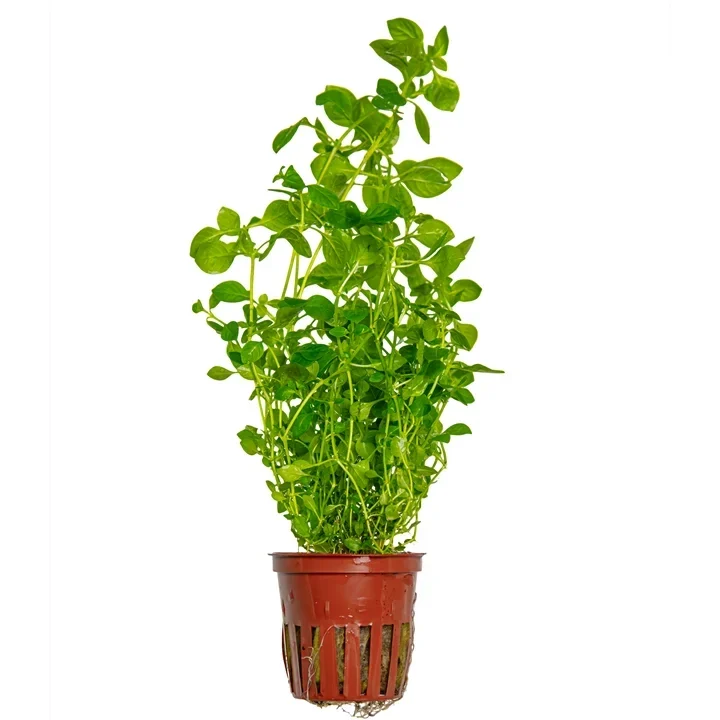 Beginner22–26°CMedium Light
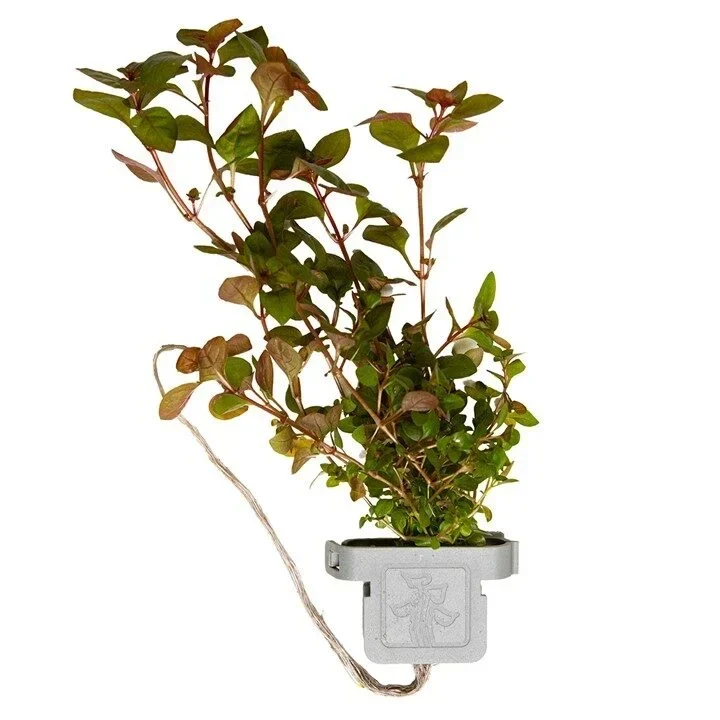 Beginner18–28°CMedium Light
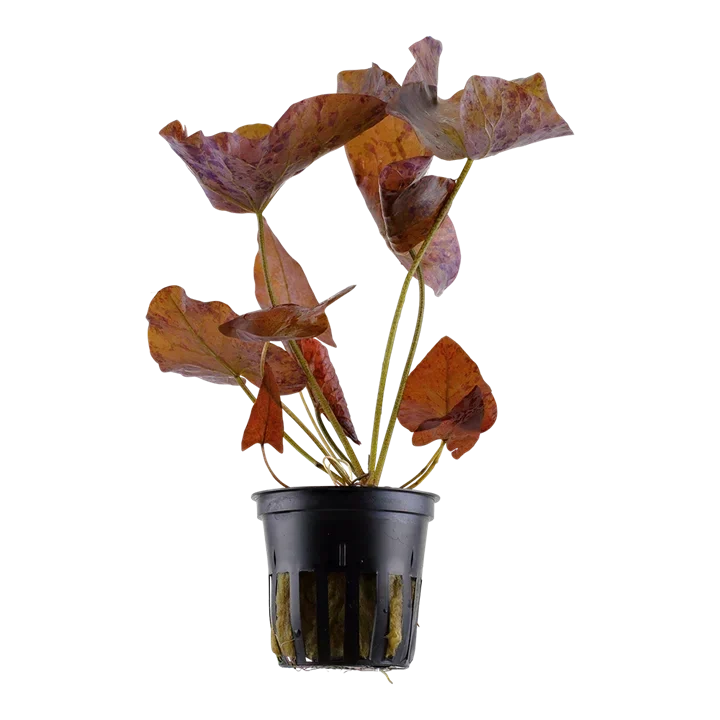 Intermediate15–30°CLow Light
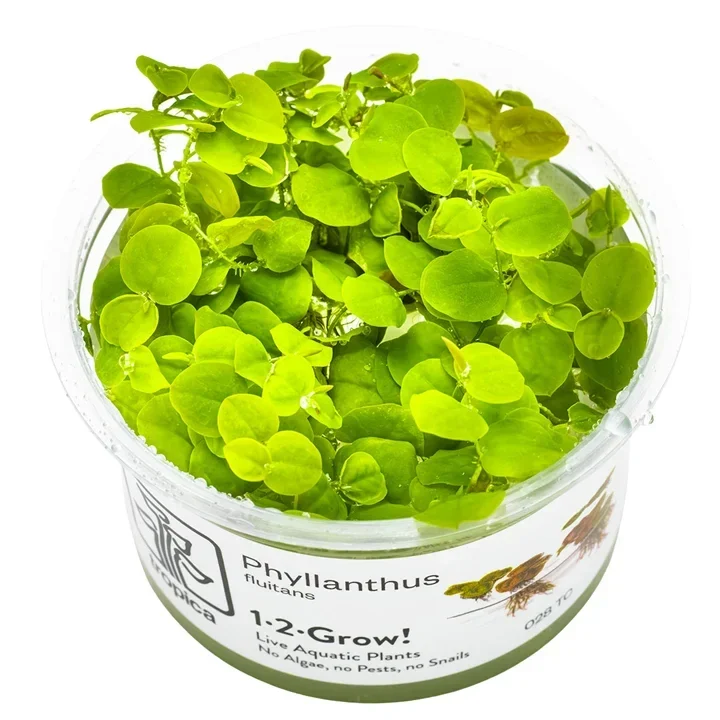 Intermediate24–28°CMedium Light
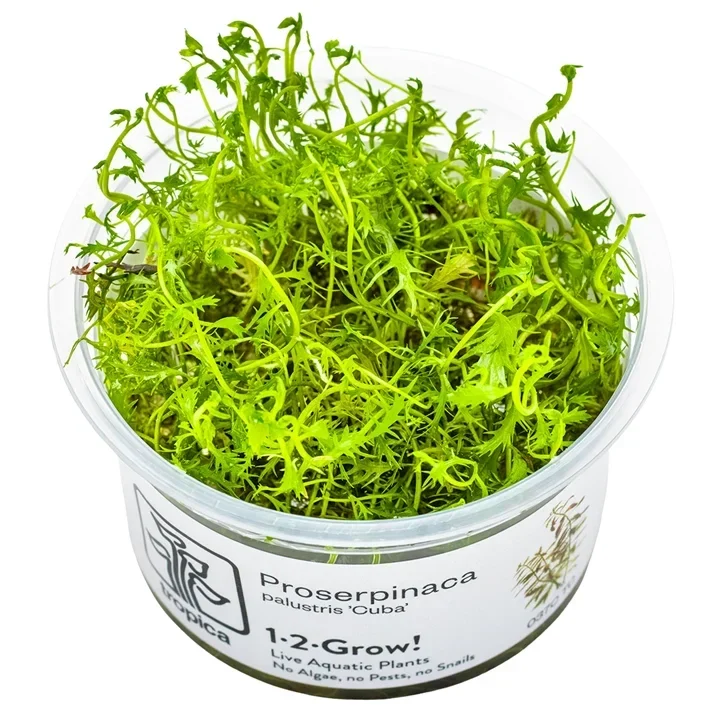 Intermediate20–25°CMedium Light
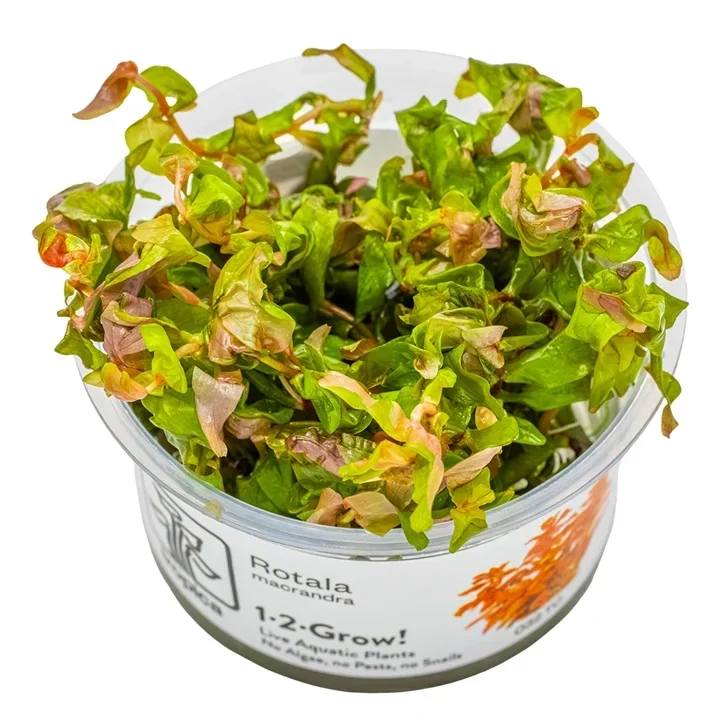 Advanced18–30°CMedium Light
 Intermediate4–32°CMedium Light
Red aquarium plants do not always stay equally red. In many species, stronger light encourages more intense red, pink or orange coloration, while the same plant may remain noticeably greener under lower light. Newly purchased plants can also look different because many are grown emersed; after planting, new submerged leaves may develop a different shape and stronger coloration. Genetics, CO₂ stability and nutrient balance also influence the final colour, so use each plant’s individual light and care requirements rather than colour alone.
Estimate whether the aquarium provides enough usable light for more demanding plants.
Model nutrient availability and dosing targets in a planted aquarium.
Lower light, unstable growing conditions and the transition from emersed to submerged growth can all reduce red coloration. Check the species profile before increasing light because requirements differ.
Not every red species needs high light, but stronger usable light often improves red, pink or orange coloration. Increase intensity gradually and balance it with plant mass, nutrients and algae control.
Red colour alone is not evidence of iron deficiency. Plants need balanced macro- and micronutrients; add iron only as part of an appropriate fertilizer plan rather than dosing it solely to force colour.
Some red aquarium plants can grow without injected CO₂, especially less demanding species, but growth may be slower and coloration less intense. Stable light and nutrients remain important.