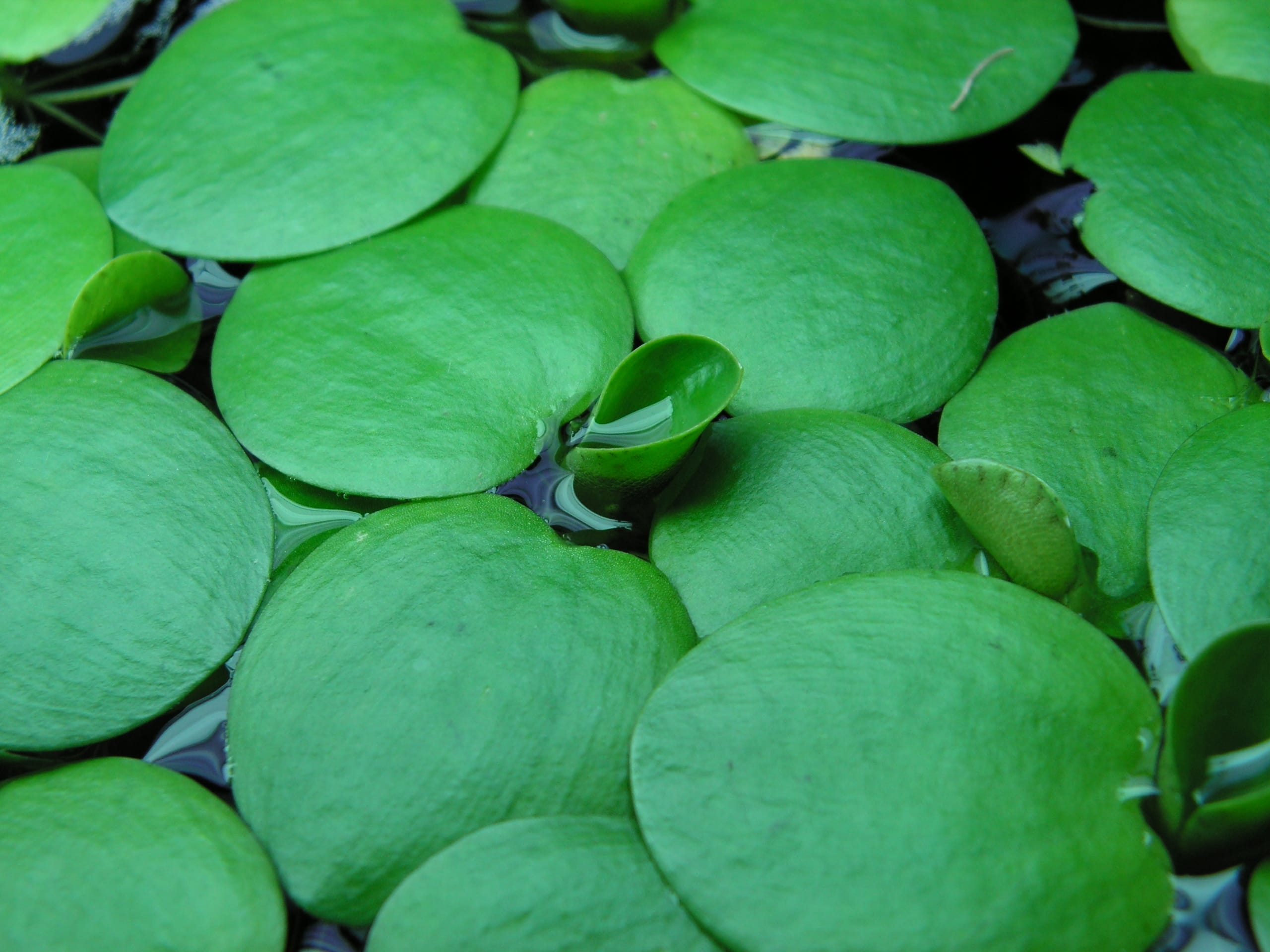
Amazon Frogbit Aquarium Plant Guide: Care, Roots & Propagation
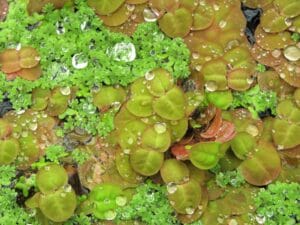
Amazon frogbit is easy to recognize once its roots hang below a raft of smooth, rounded leaves. In a planted aquarium the roots can be the reason you want it. They can also reach the feeding lane or catch debris under the filter. Decide where the plant can spread before adding the first rosette.
Confirm the name and check local rules
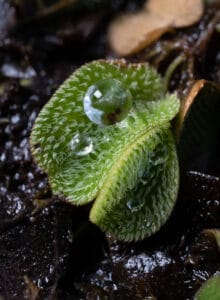
The plant is widely sold as Limnobium laevigatum, also called South American spongeplant. Young leaves can have a spongy underside. A trade name alone is a poor identifier. Compare the underside of a leaf, the rooted rosette and the runner with a verified profile before buying or sharing it.
Some jurisdictions restrict the plant. The Washington State Noxious Weed Control Board identifies it and explains the state’s quarantine rule. Check the current rules where you live. Dispose of trimmings under local guidance and keep them out of ponds, drains and waterways.
Put it in a sheltered part of the surface
Place a small group away from direct splashing and watch it through a full day. If rosettes repeatedly get pulled under the outflow, contain them with a floating corral. Maintain circulation and leave a clear patch for feeding, gas exchange and fish that visit the surface. Check the shaded plants below before expanding the patch.
Keep the roots only as long as they are useful
Long roots are not automatically a problem. They can look natural and provide shelter. But in small tanks, they may block swimming space, trap debris or shade the layout too heavily.
Thin by lifting whole rosettes when the colony is too dense. If just a few roots interfere with fish movement or servicing the filter, shorten those gradually with clean scissors. Inspect the roots for small animals before discarding plants from a shrimp or fry aquarium.
If frogbit keeps losing leaves
Move a few healthy rosettes out of the filter splash and check that their crowns stay above water. Keep the roots submerged. If only old damaged leaves are yellowing and fresh leaves look sound, trim the damaged leaves and watch the new growth. If sheltered new leaves also yellow, review shading and the fertilizer you already use before changing the dose.
If the surface has become crowded, thin it enough to leave open water for feeding and gas exchange. The free plant symptom check can help you compare the pattern you are seeing.
Use what you learn in My Aquariums
Follow a new aquarium through cycling or see how water readings and care change over time in an established setup.
Read the next leaves
Wet, deteriorating leaves concentrated near the outflow point to a placement problem worth correcting first. Check crowded rosettes for shading. If newer leaves also yellow in the sheltered patch, review light and your existing fertilizer routine. Leaf color alone cannot identify a missing nutrient. Daughter rosettes grow along runners and can be separated once they are established, where keeping the plant is permitted.
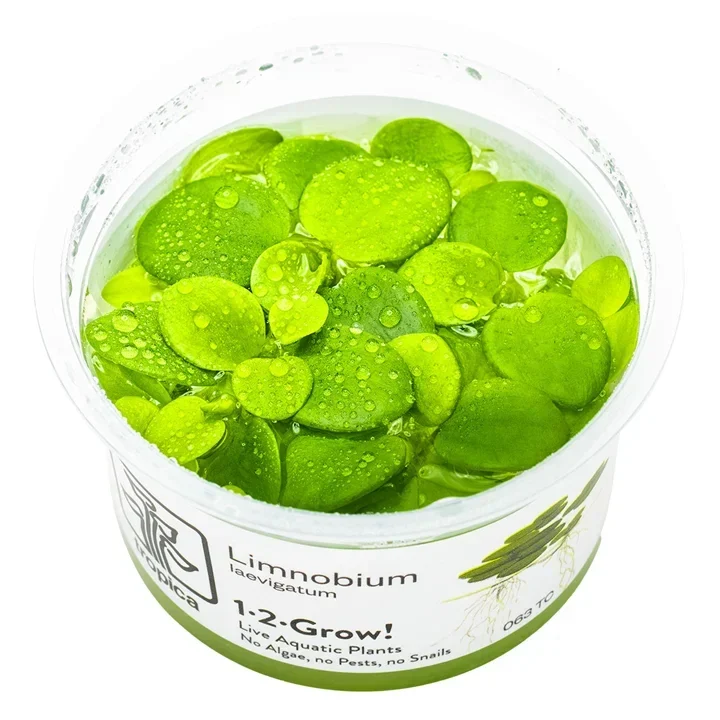
Limnobium laevigatum

 20–27°C
 Low Light

Limnobium spongia
 18–24°C
 Medium Light
See Tropica’s floating-plant handling guidance and compare alternatives in the floating aquarium plants guide.
Photo by Cardex via Wikimedia Commons. Public domain. Resized for display.
Lesson marked as read
Your reading progress is saved.
Continue learning →