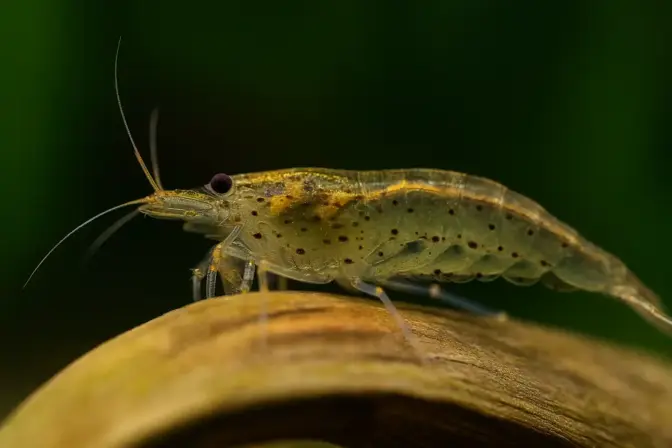
Aquarium Shrimp Guide: Build a Stable Shrimp Tank
Aquarium shrimp are among the most underestimated yet powerful components of a stable aquarium. More than simple “clean-up crew,” shrimp actively shape water quality, process organic waste, and reveal imbalances long before they become visible problems. In many setups, they are not just livestock — they are indicators of ecosystem health.
This Aquarium Shrimp Guide brings together the core shrimp categories — Neocaridina, Caridina, Amano Shrimp, and Specialty Species — and explains how each type influences tank stability, difficulty level, compatibility, and long-term success.
Whether you are planning your first shrimp tank or integrating shrimp into a planted aquarium, this foundation guide helps you choose the right species and build a system that supports long-term survival, stability, and growth.
Essential Aquarium Shrimp Types
If you want success with shrimp, start with the right type. Not all shrimp behave the same, and not all tolerate the same conditions. Some species are highly adaptable and beginner-friendly, while others require precision and stability to survive.
The biggest mistake beginners make is treating all shrimp as equal. In reality, choosing the wrong type for your setup is one of the fastest ways to fail — even if everything else seems correct.
- Neocaridina shrimp (e.g. Cherry shrimp) → highly adaptable, ideal for beginners
- Caridina shrimp (e.g. Crystal shrimp) → sensitive, require stable parameters
- Amano shrimp → excellent algae grazers, non-breeding in freshwater
- Specialty shrimp → unique species with specific environmental needs
At foundation level, the most important decision is not which color you like most — it is whether your aquarium can realistically support the species long-term. Neocaridina usually tolerate broader conditions and small beginner mistakes better. Caridina often require much tighter control of water chemistry and consistency. Amano shrimp are less about breeding potential and more about algae control and support in planted systems.
That means shrimp choice is really a decision about difficulty, stability, and system maturity. A beginner-friendly shrimp in a stable aquarium is usually more successful than a more exotic species in a tank that is not fully established yet.
Why Aquarium Shrimp Fail (Even in “Perfect” Tanks)
One of the most frustrating experiences in shrimp keeping is this: the tank looks perfect, water tests show no issues, fish are thriving — yet shrimp keep dying. This is not uncommon. In fact, it is one of the most searched and misunderstood problems in the hobby.
The reason is simple: shrimp do not respond to “average water quality” — they respond to stability, micro-conditions, and invisible factors that standard test kits often fail to capture.
Unlike fish, shrimp react extremely sensitively to sudden changes in water chemistry, even when those changes appear minor. Rapid shifts in temperature, pH, or dissolved solids can trigger stress, erratic behavior, or sudden death — even if the absolute values remain “within range.”
This is why shrimp tanks fail despite “good parameters”: stability matters more than perfection.
The Hidden Killers Most Guides Ignore
- Parameter swings → even small changes can stress shrimp
- Copper and heavy metals → highly toxic, often invisible
- Failed molting → caused by mineral imbalance
- Lack of biofilm → slow starvation despite feeding
- Overclean tanks → removing essential micro-life
Many shrimp deaths are incorrectly attributed to feeding or species choice — when in reality, the system itself is not stable enough to support them long-term.
This section matters because shrimp often expose problems that are still hidden from the rest of the aquarium. Fish may still look normal while shrimp already show the first signs of decline. In that sense, shrimp are not fragile by accident — they are simply much more honest about what is happening inside the system.
The Role of Biofilm (The Most Important Factor Nobody Explains)
If you understand biofilm, you understand shrimp keeping.
Biofilm is a thin layer of microorganisms that grows on every surface in a mature aquarium — glass, plants, hardscape, and substrate. It is the primary natural food source for shrimp and forms the foundation of their diet.
Most beginners assume shrimp eat algae or pellets. In reality, shrimp spend most of their time grazing on biofilm. This is why newly set up tanks often fail: they simply do not contain enough natural food.
Biofilm only develops in stable, mature systems — typically after several weeks or months. Adding shrimp too early means placing them into an environment that cannot support them.
- Mature tanks → stable biofilm → healthy shrimp
- New tanks → no biofilm → starvation risk
- Overclean tanks → disrupted biofilm → long-term decline
This is also why algae is not always a problem. In shrimp tanks, algae often acts as additional surface area for biofilm growth — indirectly supporting shrimp health.
At foundation level, the key takeaway is simple: shrimp do not just need “food.” They need a living surface ecosystem. A tank can be crystal clear and still be biologically too empty for shrimp to do well. That is why maturity matters so much more in shrimp tanks than many care guides admit.
Common Aquarium Shrimp Mistakes Beginners Make
Most shrimp failures are not random — they follow predictable patterns. Shrimp rarely die without reason. Instead, they react to instability, stress, or unsuitable conditions that are often invisible to beginners.
The key difference between success and failure is not feeding or equipment — it is stability. Shrimp require consistency more than anything else.
- Adding shrimp to immature tanks → instability and sudden deaths
- Ignoring water parameter consistency → failed molting and stress
- Mixing shrimp with predatory fish → constant losses
- Overcleaning the tank → removing biofilm and food sources
- Assuming shrimp survive like fish → misunderstanding sensitivity
A strong shrimp tank is usually not the most aggressively maintained one. It is the one that stays calm, mature, and consistent over time. Many beginners try to improve shrimp health by doing more, changing more, or cleaning more. With shrimp, that often backfires.
What Makes Shrimp Different from Fish
Shrimp behave fundamentally differently from fish. While fish are relatively tolerant and adaptable, shrimp respond immediately to environmental changes. This makes them both more difficult to keep and far more valuable as indicators of system health.
One of the most important differences is molting. Shrimp regularly shed their exoskeleton, and this process depends on stable water conditions and proper mineral balance. If the environment is unstable, molting fails — which is one of the most common hidden causes of shrimp death.
Unlike fish, shrimp also depend heavily on micro-food sources such as biofilm. A tank that looks clean to a human may actually be too sterile for shrimp to thrive.
This is why shrimp success is not about adding them — it is about preparing the system for them.
Molting: The Critical Process Most Aquarists Misunderstand
Molting is one of the most critical biological processes in shrimp — and one of the most common failure points.
Unlike fish, shrimp grow by shedding their exoskeleton. This process requires precise mineral balance and stable environmental conditions. If anything is off — even slightly — molting can fail.
Failed molts are often invisible to beginners. The shrimp may appear normal until it suddenly dies without warning.
- Stable minerals → successful molting
- Parameter fluctuations → molting stress
- Poor conditions → incomplete molts → death
This is why experienced shrimp keepers prioritize consistency over optimization. Perfect numbers do not matter — stable conditions do.
Molting is also one of the clearest examples of why shrimp keeping is not just about survival. A shrimp may stay alive for a while in mediocre conditions, but healthy long-term keeping requires repeated successful molts, stable behavior, and a tank environment that supports normal biological function.
Comparison of Aquarium Shrimp Types
| Shrimp Type | Main Role | Difficulty | Best For |
|---|---|---|---|
| Neocaridina | Beginner shrimp | Low | Community & nano tanks |
| Caridina | Specialized shrimp | High | Advanced aquariums |
| Amano | Algae control | Medium | Planted tanks |
| Specialty Shrimp | Niche roles | Medium–High | Experienced keepers |
How to Choose the Right Aquarium Shrimp
Shrimp selection should always be based on stability, not appearance. Many species look similar but have completely different requirements. Choosing the right shrimp means understanding your tank’s maturity, consistency, and long-term maintenance ability.
Based on Experience Level
- Beginner → Neocaridina shrimp
- Intermediate → Amano shrimp or stable mixed systems
- Advanced → Caridina shrimp with controlled parameters
Based on Tank Stability
Shrimp require stable conditions over time, not just “good values” at one moment. Even small fluctuations can cause stress or failed molting. Tanks that are newly set up or frequently changed are not ideal environments for sensitive species.
- Stable, mature tank → suitable for most shrimp
- New or unstable tank → high risk of shrimp loss
- Highly controlled tank → required for advanced species
Based on Compatibility
Not all shrimp survive in community tanks. Many fish will prey on shrimp, especially juveniles. Even peaceful fish may still reduce shrimp populations over time.
- Shrimp-only tank → highest survival and breeding success
- Carefully selected fish → balanced coexistence
- Predatory fish → constant shrimp loss
The right shrimp is therefore not simply the prettiest or rarest one. It is the one your tank can actually support consistently. A modest shrimp species in a well-matched setup will always outperform a delicate species placed into the wrong system.
What Shrimp Actually Eat (And Why Feeding Is Overrated)
One of the most common questions is: “What should I feed my shrimp?”
The better question is: What is already available in the tank?
Shrimp are natural grazers. In established aquariums, they feed primarily on biofilm, micro-organisms, and organic debris. In many cases, they require very little direct feeding.
Overfeeding is one of the fastest ways to destabilize a shrimp tank. Excess food increases waste, fuels bacteria growth, and creates conditions that harm shrimp rather than help them.
- Established tank → minimal feeding needed
- Shrimp-only tank → light supplemental feeding
- Overfeeding → water quality decline
The goal is not to “feed shrimp” — it is to maintain a system where they can feed naturally.
This is an important foundation concept because many beginners unintentionally damage shrimp tanks by treating feeding as the main form of care. In reality, feeding is secondary. A mature, biologically active tank usually matters much more than adding more food.
Shrimp as Ecosystem Indicators
One of the most valuable aspects of aquarium shrimp is their ability to reflect system stability. Shrimp respond quickly to changes in water quality, making them one of the earliest indicators of problems.
- Shrimp deaths → often indicate instability or toxins
- Failed molting → mineral imbalance or stress
- Low activity → poor conditions or lack of food
- Healthy breeding → stable and balanced ecosystem
Understanding these signals allows you to react early — before fish are affected.
That is one of the biggest reasons shrimp are so useful beyond aesthetics. They turn invisible instability into visible feedback. In a well-run aquarium, that makes them one of the most informative forms of livestock you can keep.
Frequently Asked Questions
Are aquarium shrimp good for beginners?
Yes, but only certain types like Neocaridina. More sensitive species require experience and stable systems.
Why are my shrimp dying?
Most often due to unstable water conditions, failed molting, or an immature tank.
Can shrimp live with fish?
Yes, but only with compatible species. Many fish will eat shrimp, especially juveniles.
Do shrimp clean the aquarium?
They help process biofilm and organic waste, but they are not a replacement for maintenance.
Do shrimp need a special tank?
Not always, but dedicated shrimp tanks provide the best conditions for stability and breeding.
Why do shrimp need mature aquariums?
Mature tanks offer stable water conditions, developed biofilm, and a more predictable micro-ecosystem. That combination gives shrimp a much better chance of thriving long-term.
Is overfeeding bad for aquarium shrimp?
Yes. Overfeeding often harms shrimp tanks more than underfeeding because it increases waste, destabilizes water quality, and disrupts the natural balance they rely on.
Conclusion
Aquarium shrimp are not just decorative additions — they are functional, sensitive, and essential parts of a balanced aquarium. The right species in the right system create stability, support natural processes, and provide early warning signs when something is wrong.
Start with the right shrimp type, build a stable environment, and expand into more advanced setups once your system is consistent. Then use the guides above to refine your shrimp strategy step by step.
Ready to keep aquarium shrimp successfully?
Choose your shrimp type above and build your tank around stability, not guesswork.
Lesson completed!
You've finished this lesson. Keep building your aquarium knowledge, one lesson at a time.
Continue learning →New to AquariumLesson? Start with our complete Aquarium Lessons Hub or return to the homepage at AquariumLesson.com.