
Aquarium Fish, Shrimp & Snails Guide: Building a Balanced Ecosystem
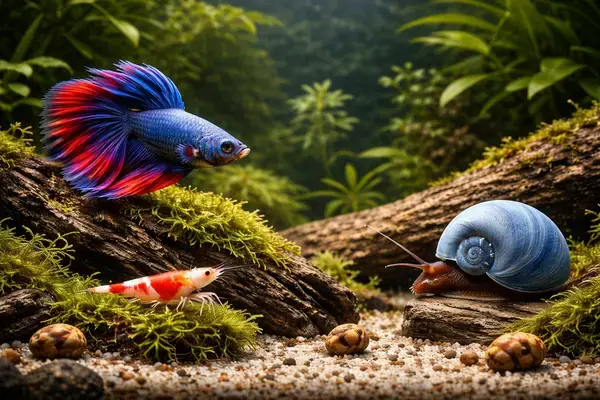
Aquarium fish, shrimp, and snails are not separate add-ons — they are the living structure of a balanced aquarium ecosystem. Fish shape the main bioload and behavior of the tank, shrimp process fine organic waste and biofilm, and snails recycle leftovers while revealing when the system starts drifting out of balance. When these three groups are chosen intentionally, they do far more than fill an aquarium: they create interaction, function, and long-term stability.
This Aquarium Fish, Shrimp & Snails Guide brings together the three core livestock groups and shows how each one influences water quality, compatibility, stocking strategy, and ecosystem balance. Instead of treating fish as the main topic and shrimp or snails as secondary, this pillar helps you understand how all three work together inside one system.
Whether you are planning your first aquarium or refining an established setup, this pillar helps you choose livestock more intentionally — based on behavior, maintenance level, tank style, and long-term ecosystem function.
What you’ll learn in this lesson
- How fish, shrimp, and snails function together as one system
- Why livestock roles matter more than species lists alone
- How compatibility affects stability, stress, and survival
- Why shrimp and snails are more than “clean-up crew”
- How stocking strategy shapes long-term success
- What common mistakes destabilize mixed-livestock tanks
- Which subtopics to explore next in the deeper guides
Why Fish, Shrimp, and Snails Should Be Planned Together
A successful aquarium is not built by collecting animals you like one by one. It is built by designing a system where each organism has a role. Fish create movement, hierarchy, feeding pressure, and the main nutrient load. Shrimp work at a finer level by grazing biofilm and organic particles that fish ignore. Snails process leftovers, graze surfaces, and often reveal overfeeding or imbalance before the tank visibly declines.
That is why livestock planning should start with ecosystem logic, not impulse buying. A peaceful planted tank, a shrimp-focused nano setup, and a high-bioload community aquarium all need very different combinations. Once you understand roles first, species selection becomes much easier and far more intentional.
At the center of this living system is biological stability: filtration, waste processing, and maintenance discipline. If you want to strengthen that foundation, continue with the Aquarium Filter Guide and the Aquarium Water Change Guide.
What Each Livestock Group Actually Does
The biggest beginner mistake is assigning importance based only on visibility. Fish get most of the attention because they dominate the visual experience of the tank. But shrimp and snails often contribute just as much to how functional, readable, and resilient the aquarium becomes over time.
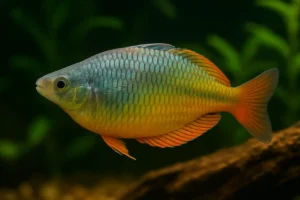
- Fish → visual focus, behavior, hierarchy, and the main bioload
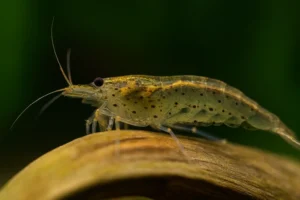
- Shrimp → micro-cleaning, biofilm grazing, and early stability feedback
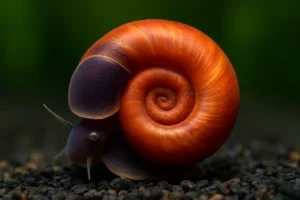
- Snails → leftover processing, algae support, and nutrient recycling
These roles overlap, but they are not interchangeable. Shrimp will not fix a poorly stocked fish tank, and snails will not solve chronic overfeeding. A stable aquarium works best when each livestock group supports the others instead of competing against them.
Comparison of Core Livestock Groups
| Livestock | Main Role | Biggest Strength | Main Risk | Best For |
|---|---|---|---|---|
| Fish | Primary display animal | Movement, behavior, focal value | High bioload or aggression | Most aquariums |
| Shrimp | Micro-cleaning & system feedback | Biofilm grazing and detail activity | Sensitivity and predation | Planted, nano, and mature tanks |
| Snails | Nutrient recycling & grazing | Leftover processing and algae support | Population growth in overfed tanks | Community and planted systems |
Aquarium Fish: The Primary Bioload and Visual Focus
Fish are usually the centerpiece of the aquarium, but they also determine how demanding the system becomes. Their size, feeding behavior, social structure, and waste production shape filtration needs, maintenance rhythm, and which shrimp or snails can realistically live alongside them.
Some setups are built around peaceful community species that integrate well with plants and invertebrates. Others center on larger, territorial, or predatory fish that require stricter planning. Even within calm aquariums, nano fish, schooling species, and bottom dwellers affect the system in very different ways.
Fish are therefore not just a visual choice. They set the behavioral and biological tone for the entire tank. Your fish selection will often determine how easy or difficult the rest of the livestock plan becomes.
Aquarium Shrimp: More Than Just Cleaners
Shrimp are often framed too narrowly as cleanup animals, but that misses their real value. In many aquariums, shrimp are one of the clearest indicators of whether the environment is mature, stable, and low in sudden stress. When shrimp thrive, the tank usually has decent micro-life, good surface activity, and enough consistency to support more delicate organisms.
They also add a different kind of visual depth. Fish dominate the open water, while shrimp animate moss, wood, leaves, and fine hardscape detail. That micro-scale activity makes planted aquariums feel much more alive and layered.
At the same time, shrimp are not universally easy. They are more sensitive to instability, poor compatibility choices, and rushed tank maturation than many beginner fish. That makes them both useful and revealing.
Aquarium Snails: Underrated but Extremely Useful
Snails are one of the most misunderstood parts of livestock planning. Many aquarists only notice them when populations increase, which creates the impression that snails are the problem. In reality, they are often the visible result of excess food, excess waste, or a system that offers more resources than the current stocking level can process.
Used intentionally, snails can be excellent ecosystem workers. They graze soft surfaces, consume leftovers, and help process material that would otherwise accumulate in hidden areas. They do not replace maintenance, but they often make the system more resilient and easier to read.
That makes snails especially valuable in planted and community aquariums, where subtle nutrient accumulation can otherwise go unnoticed until algae or detritus becomes obvious.
Compatibility Is About Behavior, Not Just Water Parameters
One of the most common misconceptions in aquarium keeping is that compatibility means matching water values alone. But many animals can tolerate similar parameters while still being a poor combination in practice. A fish may technically share the same pH and temperature range as shrimp, yet still hunt them constantly. A tank may support snails chemically while remaining too aggressive behaviorally.
A more useful compatibility question is this: do these animals use different zones, different food sources, and different behavioral rhythms without constant conflict? Tanks become much easier to stabilize when livestock is layered functionally rather than forced into competition.
This is especially important when planning mixed systems where shrimp are expected to breed, snails are expected to regulate leftovers, and fish are expected to remain calm rather than predatory.
Stocking Strategy Matters More Than Most Species Lists
Many failed livestock combinations are not caused by choosing the “wrong” species on paper. They fail because the system was stocked too quickly, too densely, or without regard for tank maturity. Too many fish added too early can overload biological capacity. Shrimp introduced into unstable conditions may disappear quietly. Snails multiply rapidly when uneaten food and waste outpace the balance of the tank.
That is why stocking should be viewed as a timeline, not a shopping list. Tank age, filtration strength, plant density, feeding style, and maintenance habits all influence what your aquarium can realistically support. Thinking in terms of bioload is far more useful than simplistic “fish per gallon” rules.
Good aquariums are rarely overbuilt by accident — they are stocked in stages, with each stage giving the ecosystem time to stabilize.
Livestock Choice Should Match Aquarium Style
Fish, shrimp, and snails should not be chosen independently from layout and plant strategy. A heavily planted nature-style aquarium offers cover, grazing surfaces, and safer microhabitats for shrimp. Open community layouts support visible fish movement but may reduce shrimp survival if there is too little refuge. Hardscape changes behavior too, because it shapes territory, sightlines, and flow patterns.
That means livestock planning is also aquascape planning. The best combinations are rarely random. They are aligned with structure, plant mass, and tank purpose from day one.
If you are designing the full system, combine this topic with the Aquarium Plants Guide, the Aquarium Hardscape Guide, and the Aquarium Styles Guide.
Common Livestock Mistakes Beginners Make
Most livestock problems do not begin with disease. They begin with poor planning. A tank can look calm on the surface while already moving toward instability underneath.
- Adding fish too early → unstable biological capacity and avoidable stress
- Mixing shrimp with unsuitable fish → constant predation pressure
- Overfeeding the tank → snail booms, detritus buildup, and unstable nutrients
- Buying “cleanup crew” without fixing the cause → disappointment and recurring imbalance
- Ignoring layout cover → shrimp losses and constant livestock stress
The more intentional your system design is, the fewer mysterious livestock problems you will need to solve later.
Signs Your Tank Is Stable — And Signs It Is Not
One of the most useful ways to evaluate an aquarium is by watching livestock behavior over time. Fish, shrimp, and snails each communicate system quality differently.
- Healthy fish behavior → relaxed movement, normal feeding, and stable social rhythm
- Healthy shrimp behavior → active grazing, visible presence, and successful molting
- Healthy snail behavior → steady grazing without uncontrolled population surges
By contrast, frequent shrimp deaths, panicked fish, or sudden snail explosions usually indicate that something in the tank is drifting out of balance. Livestock often shows the problem before test kits, algae, or visible decline make it obvious.
Frequently Asked Questions
Can fish, shrimp, and snails live together in one aquarium?
Yes — if the species are compatible behaviorally and the tank is mature enough to support them. The biggest issue is usually fish predation on shrimp, not the water itself.
Are shrimp and snails a replacement for maintenance?
No. They help process leftovers, biofilm, and waste at a small scale, but they do not replace water changes, filtration, or good feeding discipline.
Why do snails suddenly multiply in aquariums?
Usually because the tank contains more available food than the current ecosystem is consuming. Snails respond to opportunity. They are often a symptom of excess, not the root problem.
Why are shrimp often harder to keep than fish?
Shrimp are more sensitive to sudden instability, poor compatibility choices, and immature tank conditions. They usually need more consistency, not more complexity.
What is the best beginner livestock combination?
A peaceful planted community tank with manageable fish, a few compatible snails, and shrimp only after the system is stable is often the easiest path.
Should I build the aquascape before choosing livestock?
Yes. Layout, plant density, cover, and swimming space strongly influence whether fish, shrimp, and snails will actually work well together.
Conclusion
Aquarium fish, shrimp, and snails should not be planned as isolated purchases. They are interconnected parts of one ecosystem, and the quality of that ecosystem determines whether your tank becomes stable, beautiful, and easy to manage — or constantly reactive.
Start with function, not impulse. Choose livestock based on role, compatibility, and tank style. Then use the deeper guides in this topic cluster to go further into the specific group or problem you want to solve next.
Ready to build a better livestock system?
Use the recommended guides above and design your aquarium around compatibility, function, and long-term balance.
💬 Join the Conversation
How do you combine fish, shrimp, and snails in your aquarium? Tag us on Instagram @AquariumLesson — we’d love to see your setup.
Lesson completed!
You've finished this lesson. Keep building your aquarium knowledge, one lesson at a time.
Continue learning →New to AquariumLesson? Start with our complete Aquarium Lessons Hub or return to the homepage at AquariumLesson.com.
References
- General aquarium livestock care literature
- Aquascaping ecosystem principles
- Practical hobbyist experience and long-term planted tank observation