
Aquarium Hardscape Guide: Rocks, Driftwood, Sand & Substrate Foundations
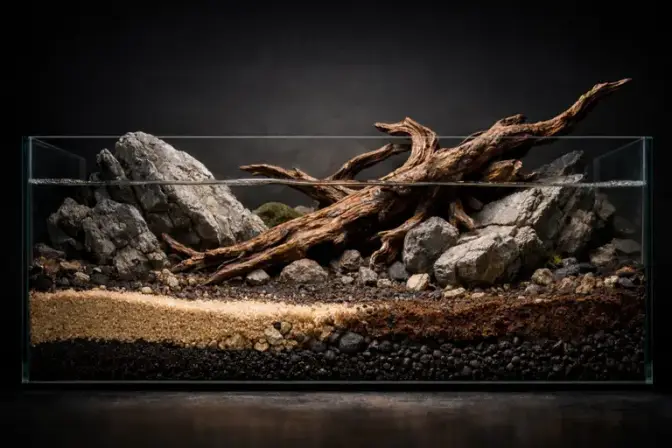
Aquarium hardscape defines the structure, depth, and realism behind every serious aquascape. More than decoration, aquarium hardscape is the architectural foundation that determines layout stability, negative space, fish territory, water flow patterns, and long-term maintenance behavior.
This Aquarium Hardscape Guide brings together the essential hardscape materials — Aquarium Rocks, Driftwood, Substrate Soil, Sand, and Lava Granules — and explains how each element influences structure, chemistry, plant growth, and long-term aquascape development.
Most failed aquascapes do not fail because of plants — they fail because the foundation was wrong. Whether you’re building dramatic stone cliffs, a root-dominated jungle layout, or a minimalist sand path composition, this pillar helps you choose and combine aquarium hardscape materials intentionally — not randomly.
Pick Your Hardscape Focus
Choose your desired layout outcome and explore the matching hardscape module:
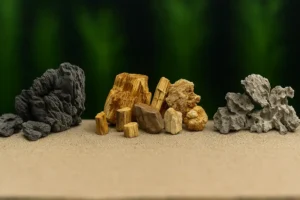
- I want a rock-based layout with strong structure, dramatic cliffs, and negative space control → Aquarium Rocks
- I want natural root flow, organic lines, and a dynamic centerpiece → Aquarium Driftwood
- I want nutrient-rich substrate for demanding plant growth → Aquarium Soil
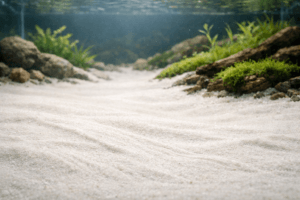
- I want clean sand paths, open foregrounds, and biotope realism → Aquarium Sand
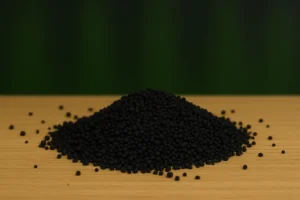
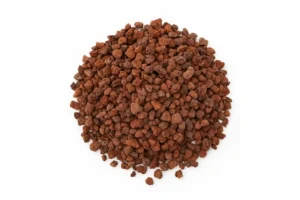
- I want a stable foundation layer for slopes, circulation, and long-term structure → Aquarium Lava Granules
Hardscape First Philosophy
In professional aquascaping, plants follow structure — not the other way around. A strong aquascape layout is defined by hardscape geometry before the first plant is added.
Hardscape determines flow direction, light shadow zones, CO₂ distribution patterns, and fish territory. When structure is weak, no amount of planting can fix the layout long-term. When structure is strong, even simple planting looks intentional and balanced.
Build your aquarium hardscape dry. Test stability. Check slope compression. Only then add substrate and plants. This approach prevents collapse, sliding soil, and chaotic growth patterns later.

Common Hardscape Mistakes
Many aquarium problems — unstable layouts, pH shifts, black sand zones, collapsing slopes — originate from hardscape mistakes.
- Reactive rocks without testing → Certain stones slowly raise pH and hardness. Always test unknown rocks with acid before adding them to planted or softwater systems.
- Unstable rock stacking → Unsupported stacking can collapse and even stress aquarium glass. Use stable contact points and consider bonding when necessary.
- Unprepared driftwood → Wood that is not soaked may float for weeks and release excessive tannins.
- Overly deep sand layers → Thick sand beds can compact and create anaerobic pockets, leading to black zones and gas buildup.
- No foundation layer under slopes → Without lava granules or support structure, soil compresses and layouts flatten over time.
What Is Aquarium Hardscape?
Aquarium hardscape refers to all non-living structural materials inside an aquascape — rocks, driftwood, sand architecture, and substrate layering.
It defines geometry, depth illusion, scale perception, fish territory, and structural longevity. Unlike decorative elements, hardscape influences both biology and engineering inside the tank.
A well-designed hardscape stabilizes plant growth, controls visual flow, and reduces maintenance unpredictability over months and years.
Essential Hardscape Setup
- One dominant material → avoid mixing multiple rock or wood types
- Stable foundation support → lava granules under slopes
- Structured substrate layering → soil for planted zones, sand for open areas
- Clear foreground and negative space
- Dry stability test before filling
Comparison of Core Hardscape Modules
| Module | Main Role | Chemistry Impact | Difficulty | Best For |
|---|---|---|---|---|
| Rocks | Structure & scale | Some raise pH/hardness | Beginner–Advanced | Iwagumi, cliffs, cichlids |
| Driftwood | Flow & focal points | Tannins may lower pH | Beginner–Intermediate | Nature, jungle, blackwater |
| Soil | Plant nutrition base | Buffers pH, nutrient release | Intermediate | Planted aquariums |
| Sand | Foreground control | Neutral (usually inert) | Beginner | Biotopes, open layouts |
| Lava Granules | Foundation layer | Inert, improves oxygen flow | Intermediate | Professional slope systems |
Frequently Asked Questions
Rocks or driftwood — which is easier for beginners?
Rocks are easier structurally because they do not float and require less preparation. Driftwood offers more organic shapes but needs soaking and planning.
Can I mix different rock types?
Mixing rock types often looks inconsistent and may create uneven chemistry impact. Most professional layouts use one dominant stone type.
Does aquarium hardscape affect water chemistry?
Yes. Some rocks raise hardness and pH. Driftwood releases tannins that can slightly lower pH. Always test materials before full installation.
Should hardscape touch the glass?
Direct pressure on glass panels should be avoided. Leave small spacing to prevent stress points and allow maintenance access.
Do I need to glue rocks?
In steep or complex layouts, bonding increases long-term safety and prevents collapse.
How do I keep sand and soil separated?
Use retaining stones, defined borders, and careful flow control to maintain separation over time.
Conclusion
Aquarium hardscape is the structural framework of every serious aquascape. Plan structure first, test stability, and build with intention. When the foundation is correct, plants grow better, fish behave naturally, and your layout remains visually powerful for years.
Ready to build?
Choose your core hardscape module above and design your aquascape around structure first.
Lesson completed!
You've finished this lesson. Keep building your aquarium knowledge, one lesson at a time.
Continue learning →New to AquariumLesson? Start with our complete Aquarium Lessons Hub or return to the homepage at AquariumLesson.com.