Epiphyte Aquarium Plants: How to Mount, Care & Grow Them Properly
Introduction
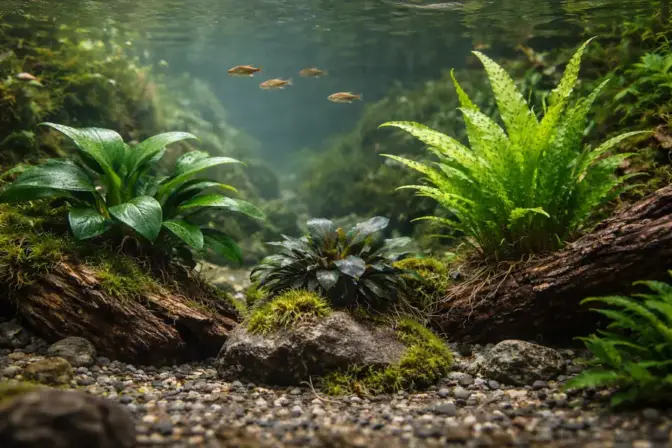
Epiphyte aquarium plants are the easiest way to add lush detail to an aquascape without changing your substrate. Instead of rooting in soil, they grow attached to rocks and wood — which makes them perfect for hardscape-focused layouts, sand setups, and beginner tanks.
In this guide you’ll learn how to mount epiphyte aquarium plants the right way (so the rhizome never rots), how to tune light and flow to avoid algae, and which species to pick depending on your tank style — from low-tech shrimp tanks to high-tech show scapes.
What you’ll learn in this lesson
- What epiphyte aquarium plants are and how they differ from rooted plants
- The best species for beginners and aquascapers
- Where and how to attach them in your tank
- How to care for epiphyte plants without soil
- Compatible fish and aquascaping layouts
- How to propagate and maintain them long-term
- Lighting, CO₂, and fertilization requirements
- Common problems and how to avoid them
What Are Epiphyte Aquarium Plants?
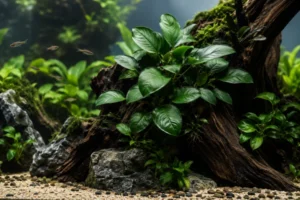
Epiphyte aquarium plants are aquatic or semi-aquatic species that grow by attaching themselves to surfaces rather than rooting in the substrate. In nature, they’re often found clinging to rocks, wood, or even other plants. Their roots serve primarily as anchors rather than nutrient absorbers.
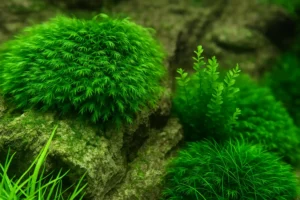
Most popular “epiphytes” in aquascaping are rhizome plants (Anubias, Bucephalandra, Java Fern) and mosses — all of them feed primarily from the water column.
Key Traits of Epiphyte Aquarium Plants
- Do not require soil or substrate to grow
- Naturally attach to hardscape like wood or stone
- Ideal for midground, background, or hardscape detail
- Adapted to low-tech or high-tech setups
- Many varieties thrive in low-light conditions
Epiphytes have become incredibly popular in aquascaping due to their ability to soften hard lines and add texture to rocks or driftwood.
Anatomy and Growth Behavior of Epiphytes
Epiphyte aquarium plants are unique in structure and growth. Unlike rooted plants, they do not rely on substrate for nutrients. Instead, they absorb everything they need directly from the water column.
Rhizome Structure
Most epiphytes like Anubias and Bucephalandra feature a rhizome — a thick, horizontal stem from which both roots and leaves grow. This rhizome must remain above the substrate to avoid rot.
Rule of thumb: if the rhizome is buried, it will eventually suffocate and rot. Only the roots may touch the substrate — the rhizome must stay exposed to water flow.
Nutrient Absorption
Epiphytes rely on liquid fertilizers, CO₂, and good water flow for nutrient uptake. Since they grow slowly, they consume fewer resources but are more prone to algae if light and nutrients are imbalanced.
Light Behavior
Epiphytes generally prefer low to moderate light. Too much direct exposure can lead to algae growth on their leaves, especially if the plant grows slowly and can’t shed old leaves quickly.
Do Epiphytes Flower Underwater?
Yes, many epiphyte plants do flower, even submerged. Anubias and Bucephalandra are known for their small but beautiful blooms. Though flowering is not essential for growth, it often indicates excellent water quality and stability.
Note: Submerged flowers may last only a few days and do not lead to seed production.
Encouraging blooms requires consistent parameters and good lighting.
Why Choose Epiphyte Aquarium Plants?
Using epiphyte aquarium plants offers several advantages:
- 🪨 Hardscape enhancement – Attach to wood or stone for natural look
- 🧽 No substrate disturbance – Perfect for scapes with sand or decorative gravel
- 🧵 Easy placement – Tie, glue, or wedge them into position
- 🌿 Low maintenance – Slow growers that don’t require frequent trimming
- 🧬 Great biodiversity – Offer hiding spots for shrimp and fry
Whether you’re building an Iwagumi layout or a jungle-style aquascape, epiphytes can enhance visual depth and texture.
Epiphytes vs. Rooted Plants: Key Differences
Epiphyte aquarium plants differ significantly from rooted aquatic plants in both structure and function. Unlike rooted plants that require substrate for anchoring and nutrient absorption, epiphytes attach to surfaces like driftwood and rocks. They absorb nutrients primarily through their leaves from the surrounding water column.
Comparison overview:
| Feature | Epiphytes | Rooted Plants |
|---|---|---|
| Attachment | Hardscape (wood, rocks) | Substrate (soil, gravel) |
| Nutrient uptake | Water column via leaves | Roots in nutrient-rich substrate |
| Planting method | Tied or glued to surfaces | Buried roots |
| Growth speed | Generally slow | Varies, often faster |
Understanding this distinction helps aquascapers design diverse, layered layouts that combine both styles effectively.
Can Epiphytes Be Used in Low-Tech Aquariums?
Yes — epiphyte aquarium plants are excellent for low-tech tanks. Their slow growth rate and low nutrient demands make them ideal for setups without CO₂ injection or high-intensity lighting.
Tips for success:
- Use a quality liquid fertilizer weekly
- Avoid burying rhizomes in substrate
- Choose species known for hardiness (e.g., Anubias, Java Fern)
With basic care, epiphytes can thrive in beginner-friendly tanks.
Best Epiphyte Aquarium Plants for Beginners
Some epiphyte species are particularly beginner-friendly:
Anubias
- Sturdy, low-light tolerant
- Many forms: Anubias nana, barteri, petite
- Thick rhizome that must not be buried
Java Fern (Microsorum pteropus)
- Hardy and versatile
- Grows on wood and stone
- Ideal for shrimp tanks and low-light setups
Bucephalandra
- Colorful leaves with wavy edges
- Slow-growing but stunning
- Excellent for detail work in nano aquariums
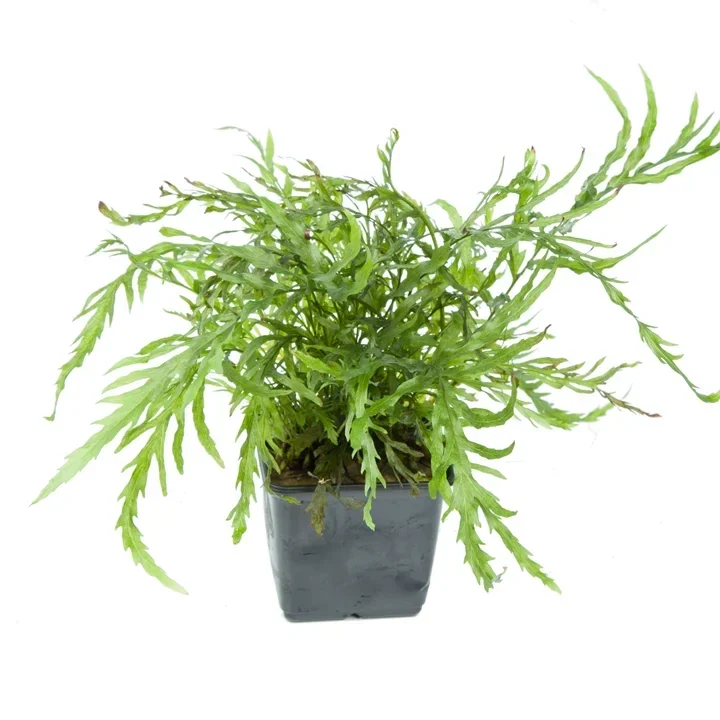
Bolbitis Heudelotii
- Also known as African Water Fern
- Lush, fern-like appearance
- Prefers gentle flow and shaded spots
Mosses (e.g., Java Moss, Christmas Moss)
- Attach easily to any surface
- Great for shrimp, fry, and breeding setups
- Can be trimmed and shaped creatively
Looking for more species? Browse all epiphyte aquarium plants in our plant database and filter by light, CO₂, and placement.
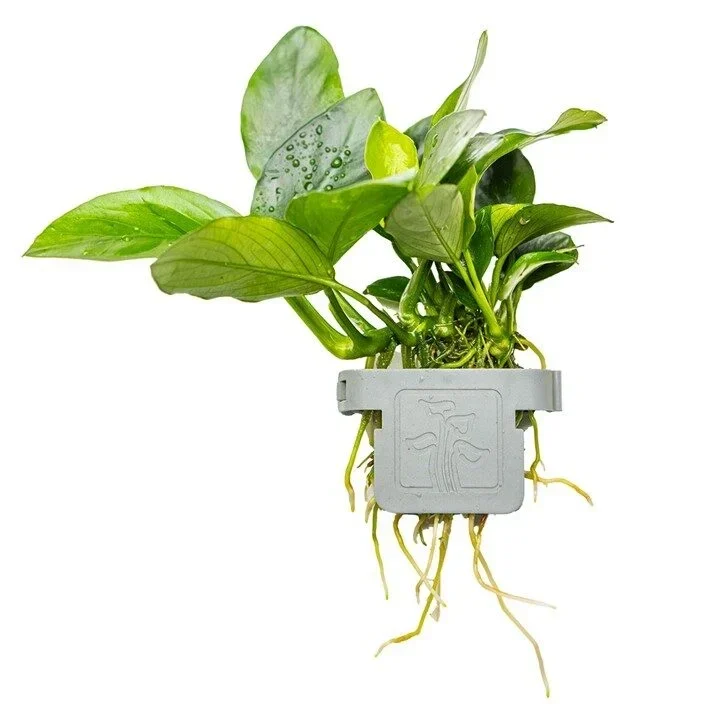 Beginner Friendly
Anubias barteri var. nana


 22–26°C
 Low Light
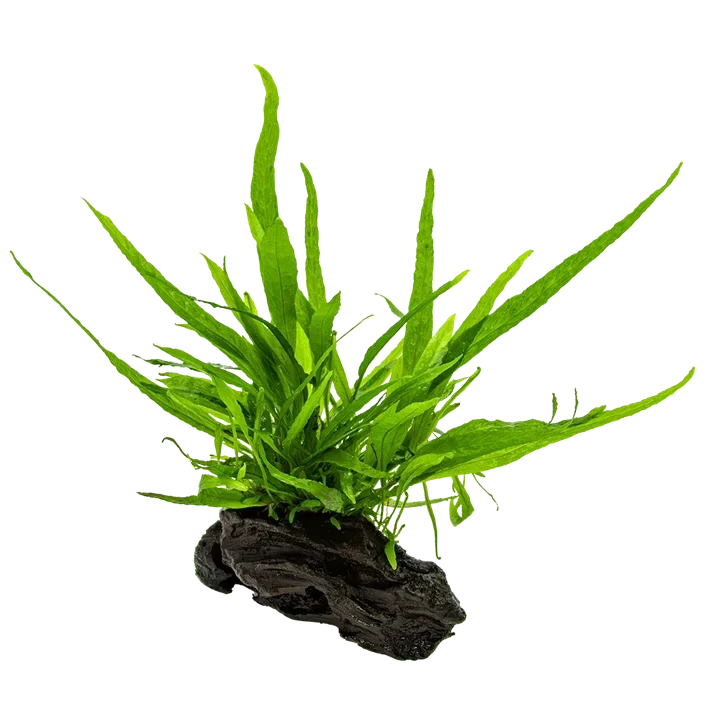 Beginner Friendly
Microsorum pteropus
 20–28°CLow Light
 Intermediate
Bolbitis heudelotii
22–25°CLow Light Intermediate
Bucephalandra motleyana

 22–30°CLow Light
Species Comparison Table
| Plant | Light Needs | Growth Rate | Placement | CO₂ Required |
|---|---|---|---|---|
| Anubias Nana | Low | Slow | Midground | No |
| Java Fern | Low | Moderate | Background | No |
| Bucephalandra | Medium | Very Slow | Fore-/Midground | No |
| Christmas Moss | Medium | Fast | Foreground | Optional |
Explore additional varieties and compare growth habits in our full Epiphyte Plant Database.
Beginner Friendly
Anubias barteri var. nana
22–26°CLow Light
Intermediate
Bolbitis heudelotii
22–25°CLow Light
Intermediate
Bucephalandra motleyana
22–30°CLow Light
Beginner
Vesicularia dubyana
15–30°CLow LightCombining Epiphytes with Carpeting or Floating Plants
For a visually dynamic aquascape, pair epiphytes with:
- Foreground carpet plants like Monte Carlo or Eleocharis
- Floating plants like Salvinia or Frogbit for shade
This multi-layered planting strategy mimics natural ecosystems and enhances visual depth.
Ensure that carpeting plants don’t overgrow and block the view of epiphytes mounted on hardscape.
How to Attach Epiphytes Professionally
Mounting Techniques
- Use tiny glue dots. Less is more — avoid covering the rhizome.
- Glue roots, not the rhizome. The rhizome should stay exposed to flow.
- Press for 10–20 seconds. Then place it gently — don’t smear glue into the plant tissue.
Attaching epiphytes securely ensures long-term health and aesthetics:
- Thread or Fishing Line: Ideal for mosses and smaller plants; gently tie the rhizome or roots to driftwood or rocks.
- Cyanoacrylate Gel Glue: Safe for aquarium use and creates fast, firm adhesion.
- Cotton or Nylon Mesh: Wrap epiphytes for walls or vertical structures.
Best Practices
- Avoid burying rhizomes. Keep them above gravel or soil.
- Pre-soak wood or rock. Wet surfaces allow better adhesion.
- Use moderate pressure. Ensure the plant is in contact with the hardscape without being squeezed.
Best Hardscape Materials for Mounting Epiphytes
Selecting the right base materials helps epiphytes anchor and grow securely. Popular choices include:
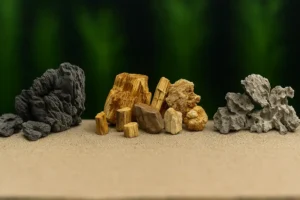
- Driftwood (e.g., spider wood, manzanita): Natural, textured surface for root grip
- Lava rock: Porous and ideal for mosses
- Seiryu stone: Aesthetic and stable, but may alter pH
- Slate and flat stones: Good base for larger species
Avoid smooth or coated surfaces that hinder attachment.
Lighting and Growth Conditions
Most epiphyte aquarium plants are adaptable but benefit from the right conditions.
Light
Most epiphytes do best in low to moderate, indirect light. High intensity on slow growers (especially Anubias and Bucephalandra) is the fastest way to get algae on leaves.
- Start with a 6–8 hour photoperiod and increase only if growth is clearly limited
- Favor moderate intensity + stable nutrients over “more light”
- If algae appears on leaves, reduce intensity or duration before changing fertilizers
A balanced spectrum helps, but stability (light + flow + nutrients) matters more than chasing numbers.
CO₂ and Fertilization
- CO₂ is optional, but improves growth and coloration
- Use liquid fertilizers for water-column feeding
- Root tabs are unnecessary
Because epiphytes absorb nutrients directly from the water column, regular dosing is more important than root-based nutrition.
Not sure if your light is too strong for Anubias or Buce? Check intensity at substrate level with our Aquarium Lighting Calculator before reducing fertilizers.
Maintenance Tips
Maintaining epiphyte aquarium plants is easy, but some attention helps them thrive.
- Trim dead or yellowing leaves to prevent algae
- Thin out mosses to avoid blocking flow or light
- Check attachments – re-tie or glue if plants come loose
- Prevent algae by avoiding direct exposure to intense light
Their slow growth is ideal for aquascapers who want to “set and forget” portions of their layout.
Quarantine & Pest Prevention
Before mounting new epiphytes, rinse them well and consider a short quarantine. This helps reduce hitchhikers like snails or algae spores — especially on slow-growing plants that can’t “outgrow” problems quickly.
Water Parameters and Flow for Epiphyte Health
- pH: 6.0–7.5 (mildly acidic is ideal)
- Temperature: 22–26°C
- Water Flow: Gentle to moderate, helps reduce debris buildup
- CO₂: Optional, but supports better growth and coloration
- Fertilizers: Use liquid nutrients rich in potassium and iron
Algae Troubleshooting and Prevention
Slow-growing epiphytes are magnets for algae if lighting or nutrients are unbalanced.
Common Issues
- Black Beard Algae (BBA): Often forms on leaf edges
- Green Spot Algae: Appears with too much light or phosphate deficiency
Fast Fix Checklist (When Algae Hits Epiphytes)
- Cut light to 6 hours for 10–14 days
- Increase flow around hardscape (don’t blast the plant, just remove dead spots)
- Remove the worst leaves (Anubias especially) instead of “waiting it out”
- Stabilize CO₂ (or skip it entirely in low-tech) — instability feeds algae
- Reduce light duration (6–8 hours/day)
- Improve flow around plant surfaces
- Introduce algae eaters (shrimp, otocinclus)
- Trim damaged leaves and increase plant mass
Ideal Placement in Aquascaping Layouts
Epiphyte aquarium plants can be used in a variety of layout styles:
Nature Style
- Create natural transitions between stone and wood
- Use moss-covered driftwood for jungle feel
- Anubias and Bucephalandra bring color to shaded areas
Iwagumi & Minimalist Layouts
- Highlight stonework with moss accents
- Small rhizome plants soften harsh lines
- Avoid overplanting to maintain clean look
Dutch & High-Tech Tanks
- Place epiphytes on midground rocks
- Use CO₂ to boost leaf growth and pigmentation
- Combine with fast growers for contrast
Proper placement adds dimension, texture, and realism to your aquascape.
Biotope and Paludarium Applications
Epiphyte plants are ideal for biotope and paludarium tanks:
Emersed Growth
Many epiphytes tolerate or thrive in emersed (above water) conditions. This makes them suitable for waterfall features, jungle walls, and misted root systems.
Design Ideas
- Combine mosses with creeping Buce for forest stream mimicry.
- Use wood to mount fern varieties for jungle backdrops.
- Integrate with fog/mist systems for humidity control.
Fish and Invertebrate Compatibility
Most epiphyte aquarium plants are highly compatible with peaceful community fish and invertebrates.
Ideal Tankmates
- Shrimp (Cherry, Amano) – love grazing on moss
- Otocinclus – gently clean plant leaves
- Tetras and Rasboras – avoid plant uprooting
- Bettas – enjoy resting on broad leaves (e.g., Anubias)
Avoid plant-destroying fish like goldfish or large cichlids in epiphyte-focused tanks.
How to Propagate Epiphyte Aquarium Plants
Most epiphyte aquarium plants propagate slowly — but the method is simple once the plant is mature. The key is to divide only healthy growth and re-mount it with good flow, moderate light, and stable nutrients.
Rhizome Splitting (Anubias, Bucephalandra, Java Fern)
- Wait until the plant has multiple healthy leaves and established roots
- Use a sharp, clean blade and cut the rhizome into sections with at least 3–5 leaves each
- Re-mount the cutting immediately (glue/thread), then place it in gentle flow
Plantlets and Offshoots (Java Fern)
Java Fern often produces tiny plantlets on older leaves. Once they form roots and several leaves, detach them gently and mount them like a normal rhizome plant.
Moss Propagation
- Trim a healthy portion and spread it thinly on rock/wood
- Fix with mesh or thread until it grips
- Keep flow moderate so debris doesn’t settle into the moss
Propagation Mistakes to Avoid
- Dividing too early (small cuttings melt or stall for months)
- Mounting in intense light right after cutting (algae loves stressed leaves)
- Smothering fresh cuts with substrate or tight glue spots
Troubleshooting Common Issues
Even hardy epiphyte aquarium plants can face problems.
Algae Growth
- Cause: strong light, poor circulation
- Solution: reduce lighting, add algae-eating shrimp
Rhizome Rot
- Cause: buried or smothered rhizome
- Solution: keep rhizome above substrate, check attachment
Melting or Discoloration
- Cause: CO₂ changes, new tank cycling
- Solution: allow adaptation time; trim damaged parts
Epiphytes for Nano Aquariums
In smaller aquariums (10–40 L), epiphyte aquarium plants shine:
- Anubias petite or Buce mini fit well on tiny driftwood
- Moss balls or tied moss pads offer low-maintenance greenery
- Nano ferns like Microsorum sp. ‘Trident’ stay compact
These species don’t overpower the aquascape and require little substrate space.
Epiphytes and Aquascaping Design Principles
Epiphyte plants are excellent tools for elevating aquascape aesthetics.
Texture and Layering
- Combine broad-leaf Anubias with fine Java Moss for visual contrast.
- Use Bucephalandra varieties to add subtle colors and textures.
Placement Tips
- Foreground: Smaller Bucephalandra or mosses
- Midground: Anubias Nana, Java Fern Windelov
- Background accent: Large Java Ferns or densely packed moss walls
Eco-Friendly Aquascaping with Epiphytes
Epiphyte aquarium plants align well with sustainable aquascaping:
- Reusable – easily moved or regrown
- Low nutrient demand – less chemical input
- Shrimp-safe and gentle for fry
- Grow well in tanks without heated substrate or heavy tech
They’re also perfect for long-term low-energy setups.
Real-World Epiphyte Layout Case Studies
Nano Tank Moss Forest
A 20-liter tank featuring driftwood lined with Christmas Moss and Buce mini. Light is subdued, filtration gentle, with shrimp for cleanup.
Buce-Only Iwagumi
A clean 60P layout using only Bucephalandra varieties for texture variation. Minimalist hardscape highlights the epiphytes.
Jungle Java Tank
120-liter setup with Java Fern Trident dominating the midground. Branchy wood hosts moss and shrimp, while low-tech lighting keeps algae under control.
Quick Takeaways
- Epiphyte aquarium plants don’t need soil and attach to wood or stone
- Ideal for beginners, shrimp tanks, and detailed aquascaping
- Popular species include Anubias, Bucephalandra, Java Fern, Moss
- Attach with glue or thread – never bury the rhizome
- Require moderate light and thrive even without CO₂
- Easy to propagate and move in your tank
- Great for nano tanks and eco-friendly setups
Conclusion
Epiphyte aquarium plants offer versatility, beauty, and simplicity. Their ability to thrive without soil opens creative possibilities for aquascapers of all levels. Whether you’re building a serene nature tank or a bold hardscape centerpiece, these plants add depth, texture, and balance.
With minimal care and maximum visual impact, epiphyte plants are a must-have in any planted aquarium. Explore their unique charm — and let your aquascape grow in style.
💬 Join the Conversation
Tag and write us on Instagram @AquariumLesson — we’d love to see how you use epiphyte aquarium plants in your aquarium!
👉 What’s your favorite epiphyte plant — Anubias, Bucephalandra, or something rarer?
FAQ
What are epiphyte aquarium plants?
Plants that grow attached to surfaces like driftwood or rock, without rooting in substrate.
Why do epiphyte aquarium plants rot?
Almost always because the rhizome is buried or trapped in a low-flow dead spot. Keep the rhizome exposed and give it gentle water movement.
Can I bury epiphyte roots in substrate?
Yes — roots can touch or lightly sink into substrate. Just keep the rhizome fully exposed so it stays oxygenated and doesn’t rot.
What is the best way to mount epiphyte aquarium plants?
For rhizome plants, use cyanoacrylate gel (tiny dot) or tie them with thread. For moss, mesh or thread works best until it attaches.
Are epiphytes good for beginners?
Yes. Most are hardy, low-light tolerant, and easy to maintain.
Can epiphyte plants grow in low light?
Absolutely. Anubias, Java Fern, and mosses thrive in low-light aquariums.
Do they need CO₂?
Optional. They grow fine without it but benefit from added CO₂ in high-tech tanks.
What fish are compatible with epiphyte plants?
Shrimp, small tetras, bettas, and peaceful bottom dwellers are great choices.
Can I grow moss on a rock?
Yes! Mosses are epiphytes and can be tied or glued to any surface.
How do I propagate epiphytes?
Cut the rhizome or divide plantlets; reattach elsewhere in the tank.
New to AquariumLesson? Start with our complete Aquarium Lessons Hub or return to the homepage at AquariumLesson.com.