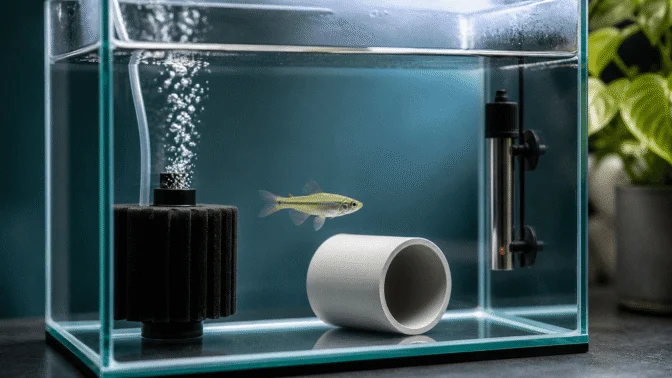
Quarantine Aquarium Fish: Setup, Observation & Safe Transfer
Quarantining aquarium fish means keeping new arrivals in a separate, stable system before they join the display aquarium. It is not an accusation that the fish are diseased. It is a biosecurity and observation routine that gives transport stress, hidden problems and feeding issues time to show themselves without exposing established livestock.
A quarantine tank does not need to be elaborate. It does need reliable heat where appropriate, aeration, filtration, a cover, a few safe hiding places and a way to test water. The most common failure is treating it as a bowl for temporary storage, then creating ammonia or oxygen stress before the fish can be properly observed.
Quick answer
- Use a separate tank and separate nets, siphons and buckets.
- Make water quality and oxygen stable before adding fish.
- Observe appetite, breathing, skin, fins, faeces and behaviour every day.
- Do not medicate by default simply because fish are in quarantine.
- Transfer only fish that are eating, behaving normally and have completed the observation plan.
What you will learn in this lesson
- When quarantine is worth the effort and what it can and cannot prevent.
- How to build a simple, fish-safe observation tank.
- How to manage filtration, water changes and cross-contamination.
- How to decide between observation, diagnosis and professional advice.
Introduction
Quarantine is a short-term care system with the same basic duty as any aquarium: keep the fish in safe, stable water while you observe changes that a busy display tank can hide.
Why quarantine matters
New fish can carry external parasites or other problems without showing an obvious sign at the shop. Shipping and handling can also bring out signs that were not visible before purchase. A separate system protects an established community while giving the owner a clearer view of a new fish’s appetite, respiration and behaviour. It also prevents a rushed diagnosis: a fish that hides for its first day may be settling; a fish that develops rapid breathing, spots or losses needs a more careful response.
Quarantine lowers risk; it does not guarantee that every pathogen will be detected. That is why it works best alongside careful sourcing, stable water, realistic stocking and a record of new arrivals.
A practical quarantine setup
| Item | Purpose | Useful caution |
|---|---|---|
| Appropriately sized covered tank | Separate, secure observation space | Choose for the adult size and number of arrivals, not just the length of quarantine. |
| Heater and thermometer where required | Stable, species-appropriate temperature | Do not use heat as a universal disease treatment. |
| Sponge filter and air pump | Biological filtration and gas exchange | Keep a mature spare sponge only if it comes from a healthy system. |
| Simple inert shelter | Reduces exposure stress | Use items that can be cleaned and inspected easily. |
| Dedicated tools | Limits transfer of water and organisms | Label nets, buckets and siphons; do not share them casually. |
A quarantine tank needs biological filtration or a deliberate water-change plan. If the filter is new, test ammonia and nitrite frequently and feed sparingly. A mature sponge filter can be useful, but it must not move back and forth between quarantine and display systems. Review Aquarium Cycling before relying on a newly assembled filter.
Arrival, feeding and daily observation
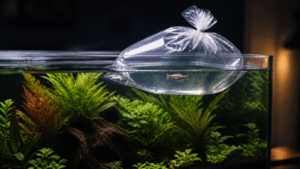
Acclimate new arrivals to the quarantine system with the same care you would use for a display aquarium; see Acclimating New Fish. Dim lighting, avoid chasing fish around the tank and offer a small species-appropriate meal only after they have had time to settle. Remove leftovers instead of using repeated feeding as a test of appetite.
- Check temperature, ammonia and nitrite; use Aquarium Water Parameters for a safe reading sequence.
- Watch gill movement and surface behaviour before assuming a food problem.
- Look for spots, excess mucus, frayed fins, swelling, ulcers, flashing or worsening colour.
- Note which fish eat, hide, are chased or fail to stay upright.
- Record changes with dates and clear photographs or video.
How long should fish remain in quarantine?
There is no universal period that makes every fish safe. Veterinary guidance commonly treats 30 days as a minimum for pet-fish quarantine, while the right plan can be longer for valuable collections, specific disease concerns or fish that have been unwell. Start the observation period after the fish are stable enough to assess, not merely when the shipping bag arrived. If signs appear, pause the transfer decision and establish a diagnosis or seek qualified help.
Medication: observation first, not a blanket recipe
Preventive medication is debated because fish, invertebrates, plants, water chemistry and local product approvals differ. Medication can also obscure signs, damage biological filtration or create avoidable stress. Do not stack products or dose from forum advice. When a symptom is visible, begin with water quality and a differential diagnosis. For white salt-like spots and flashing, use Ich / White Spot Disease; for breathing distress, use Aquarium Oxygen Levels immediately.
Transfer to the display aquarium
Transfer only fish that are eating, swimming normally and free of unexplained progressing signs. Match water conditions as closely as practical, introduce them with low lighting and use a net or specimen container rather than pouring quarantine water into the display. The display tank should already be cycled and suitable for the species and intended group.
Conclusion
A good quarantine routine is a calm, separate observation period with stable water and disciplined equipment handling. It reduces avoidable risk without assuming a diagnosis or turning every arrival into a medication project.
FAQ
Does a quarantine tank need to be cycled?
It needs a way to control toxic waste. A mature dedicated sponge filter is convenient; otherwise test frequently and use measured water changes while feeding lightly.
Can I share a net if I rinse it?
Dedicated equipment is the safer default. Rinsing alone is not a reliable biosecurity routine for moving between systems.
Lesson completed!
You've finished this lesson. Keep building your aquarium knowledge, one lesson at a time.
Continue learning →New to AquariumLesson? Start with our complete Aquarium Lessons Hub or return to the homepage at AquariumLesson.com.