
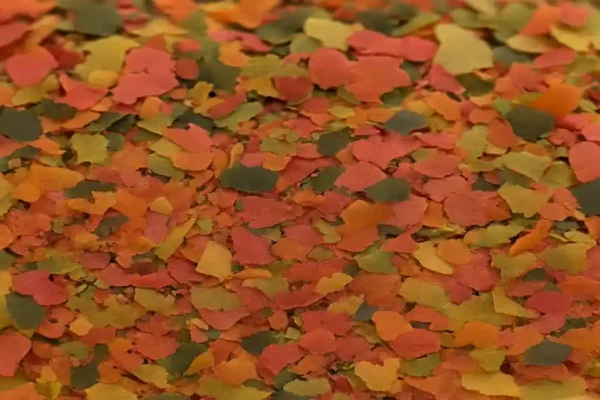
Best Aquarium Fish Food: 7 Picks by Fish Type & Feeding Zone
The best aquarium fish food is not simply the product with the highest protein percentage, the longest ingredient list, or the highest price. The right food matches the fish you actually keep: their natural diet, feeding zone, mouth size, and the way they compete for food inside the aquarium.
For most small to medium freshwater community tanks, Fluval Bug Bites Tropical Formula is our best overall starting point because the micro granule and granule options make it easy to match particle size while the slow-sinking format reaches active mid-water feeders. Hikari Micro Pellets are an excellent choice for nano and small-mouthed fish, while TetraMin Tropical Flakes remain one of the simplest complete staple foods for beginners and top- to mid-water feeders.
But one container is not always enough for a mixed community. Corydoras and loaches, for example, may need food that actually reaches the bottom instead of surviving on whatever other fish miss. Before choosing a product, check your species in the Aquarium Fish Database and think about where and how each fish naturally feeds.
Scope: This guide focuses on common freshwater tropical and community aquariums. Goldfish, koi, marine fish, large predators, specialist herbivores, fry, and fish with unusually specific dietary requirements should be fed according to species-specific guidance rather than treated as standard community fish.
Quick Answer: Best Aquarium Fish Food by Need
- Best overall for community fish: Fluval Bug Bites Tropical Formula
- Best for nano and small-mouthed fish: Hikari Micro Pellets
- Best flake food for beginners: TetraMin Tropical Flakes
- Best for corydoras and loaches: Hikari Sinking Wafers
- Best for fish that prefer worm-like movement: Hikari Vibra Bites
- Best gel food: Repashy Community Plus
- Best premium freshwater flake: Omega One Freshwater Flakes
The most important rule is simple: choose food for the fish, not the brand. A high-quality floating flake can still be the wrong food for a bottom-dwelling fish, and an excellent sinking wafer can be useless to a fish that feeds almost exclusively near the surface.
What You’ll Learn in This Guide
- Which aquarium fish foods are the strongest options for common freshwater setups
- How to match food to carnivorous, omnivorous, and herbivorous fish
- Why feeding zone matters as much as ingredients
- How to choose the correct pellet or granule size
- The difference between daily staple foods and treats or supplements
- When flakes, pellets, wafers, frozen food, or gel food make the most sense
- How to read a fish food label without relying on marketing shortcuts
- How to feed a mixed community tank without starving slower or bottom-dwelling fish
Best Aquarium Fish Food at a Glance
| Product | Best For | Food Form | Feeding Zone | Diet Role | Main Limitation |
|---|---|---|---|---|---|
| Fluval Bug Bites Tropical Formula | Most freshwater community tanks | Micro granules / granules | Mid-water, slow sinking | Complete daily diet | Choose the correct particle size |
| Hikari Micro Pellets | Tetras, barbs, bettas and nano fish | Micro pellet | Slow sinking | Daily diet | Too small for some larger fish |
| TetraMin Tropical Flakes | Beginners and mixed tropical fish | Flake | Surface to mid-water | Complete staple | Easy to overfeed; limited bottom reach |
| Hikari Sinking Wafers | Corydoras and loaches | Sinking wafer | Bottom | Targeted bottom-feeder food | Not a universal food for every “bottom feeder” |
| Hikari Vibra Bites | Fish attracted to moving, worm-like foods | Slow-sinking stick | Mid-water | Daily diet / rotation | Particle size must fit the fish |
| Repashy Community Plus | Omnivorous communities and slow grazers | Prepared gel | Targeted / variable | Meal-replacement gel | Requires preparation and storage |
| Omega One Freshwater Flakes | Freshwater fish needing a premium flake | Flake | Surface to mid-water | Daily diet | Still needs a sinking food in bottom-heavy communities |
How We Chose the Best Aquarium Fish Food
There is no scientifically defensible way to rank every aquarium food from “healthiest” to “worst” using one number. Different fish have different nutritional requirements, and a food that works extremely well for a small omnivorous tetra may be poorly matched to a specialist herbivore or large carnivore.
For this guide, we compared foods using practical criteria that matter in a home aquarium:
- Species and diet fit: Who is the formula actually intended to feed?
- Feeding zone: Does it float, sink slowly, or reach the substrate?
- Particle size: Can the target fish comfortably take the food into its mouth?
- Diet role: Is it designed as a complete daily food, a meal replacement, or a supplement?
- Ingredient and nutrition profile: Does the overall formulation make sense for the intended fish?
- Palatability and water behavior: Can fish find and eat the food before it becomes waste?
- Practicality: Is it easy to portion, store, and use in a real community aquarium?
These are editorial selections based on current product specifications, feeding behavior, suitability, and practical aquarium use. AquariumLesson did not conduct a controlled laboratory feeding trial for this comparison, so we do not use unsupported “we tested” claims or pretend that one brand is universally superior.
Before You Buy: Choose Fish Food by Fish, Not Brand
The easiest way to buy the wrong food is to start with the container instead of the fish. Use the broader Aquarium Fish Guide to understand how species, behavior, swimming zone, and community structure fit together, then apply the same logic to feeding.
1. Match the Food to the Fish’s Diet
Carnivorous, omnivorous, and herbivorous fish do not have identical nutritional needs. Even within those broad groups, requirements vary by species, age, growth stage, activity, temperature, and reproductive condition.
This is why crude protein percentage should never be used as a universal quality score. A food with 46% crude protein is not automatically “better” than one with 40%. The relevant question is whether the complete formulation fits the fish being fed.
2. Match the Food to the Feeding Zone
Where the food goes after it touches the water can matter just as much as what is inside it.
| Fish Behavior | Useful Food Type | Typical Examples |
|---|---|---|
| Surface feeder | Flakes or floating food | Many livebearers and surface-oriented fish |
| Mid-water feeder | Slow-sinking micro pellets or granules | Tetras, rasboras, barbs and many community fish |
| Bottom feeder | Sinking wafers, pellets or targeted gel food | Corydoras, loaches and other substrate feeders |
| Mixed community | Combination of surface/mid-water and sinking foods | Community aquariums with several feeding zones |
Do not assume bottom-dwelling fish can live on leftovers. In a busy tank, faster fish may eat almost everything before it reaches the substrate.
3. Match Particle Size to Mouth Size
A pellet can have an excellent formulation and still be a poor choice if the fish cannot eat it comfortably. Nano fish and small tetras usually do better with micro pellets, micro granules, or finely crushed flakes than with large pellets designed for adult cichlids or gouramis.
This becomes especially important in a nano aquarium. If you keep very small species, compare their adult size and behavior in our Best Nano Fish guide before selecting the food size.
The 7 Best Aquarium Fish Foods
1. Fluval Bug Bites Tropical Formula — Best Overall for Community Fish
Best for: Small and medium tropical community fish, especially active mid-water feeders.
Fluval Bug Bites Tropical Formula is our strongest overall starting point because the food format is easy to match to the fish. The Tropical Micro Granules are approximately 0.25–1.4 mm, while the larger Tropical Granules are approximately 1.4–2.0 mm. Both slowly sink, which gives fish feeding below the surface a chance to intercept the food.
The formula uses black soldier fly larvae as its first ingredient alongside other protein sources and is positioned as complete daily nutrition for tropical fish. That combination makes Bug Bites especially practical for tetras, guppies, rasboras and other common freshwater community fish when the correct granule size is chosen.
Why we like it: The slow-sinking behavior and multiple particle sizes solve two of the most common feeding problems at once: getting food into the mid-water zone and making sure smaller fish can actually eat it.
Watch out: “Bug Bites” is a large product family. Do not treat every formula, pellet size, flake and species-specific version as interchangeable. Choose the exact Tropical format that fits your fish.
2. Hikari Micro Pellets — Best for Nano and Small-Mouthed Fish
Best for: Tetras, small barbs, bettas and other small-mouthed tropical fish.
Hikari Micro Pellets are designed specifically for smaller mouths and slowly sink through the water column. That makes them easier to use in tanks where small fish feed below the surface and large flakes would otherwise need to be crushed before every feeding.
Hikari labels Micro Pellets as a daily diet and specifically lists small tropical fish such as tetras and barbs among the intended users. The pellet softens in water, and its small format gives tiny community fish easier access to each piece.
Why we like it: This is a very clear example of why particle size matters. Instead of buying a “premium” pellet and crushing it manually, you start with a food designed around smaller fish.
Watch out: The small size becomes a disadvantage with larger fish that can swallow several pieces at once. Match portion size as carefully as particle size.
3. TetraMin Tropical Flakes — Best Beginner Flake Food
Best for: Beginner freshwater aquariums and top- to mid-feeding tropical fish.
TetraMin Tropical Flakes remain one of the simplest entry points for a beginner because flakes are easy to portion, easy to crush for smaller fish, and naturally remain accessible near the upper part of the aquarium before slowly dispersing.
Tetra describes TetraMin as a nutritionally balanced complete diet and staple food for top- and mid-feeding tropical fish. That makes it a practical choice when you want one straightforward everyday food for a conventional community aquarium.
Why we like it: Beginners can control flake size easily by crushing larger pieces between their fingers, and the food is straightforward to distribute across a wide surface area so multiple fish can feed at once.
Watch out: A flake-only feeding strategy can leave corydoras, loaches and other bottom-dwelling fish underfed. In a mixed community, pair flakes with an appropriate sinking food where necessary. New aquarists should also review the feeding section in our Beginner Aquarium Guide.
4. Hikari Sinking Wafers — Best for Corydoras and Loaches
Best for: Smaller bottom-feeding fish, particularly corydoras and loaches.
Hikari Sinking Wafers solve a problem that general community foods often ignore: getting a meaningful meal all the way to the bottom. The wafers are designed for smaller downward-facing mouths and are formulated to remain available long enough for bottom and nocturnal feeders to find them.
This is especially useful in community aquariums where fast tetras, barbs or livebearers dominate food near the surface. Adding a sinking food separately makes feeding more deliberate instead of hoping that enough leftovers survive the trip to the substrate.
Why we like it: Hikari is unusually specific about the target fish: corydoras, loaches and other smaller bottom feeders. That is more useful than a generic “bottom feeder” label.
Watch out: Not every bottom-dwelling species has the same diet. A pleco, corydoras and carnivorous catfish should not automatically receive the same food just because all three spend time near the substrate.
5. Hikari Vibra Bites — Best for Fish Attracted to Worm-Like Food
Best for: Bettas, guppies, tetras, gouramis, angelfish and other tropical fish that respond strongly to moving food.
Vibra Bites are designed as slow-sinking, worm-like sticks. As they move through the current, they create a different feeding presentation from conventional flakes or round pellets. This can make them useful when otherwise healthy fish show little interest in a familiar dry-food format.
Importantly, Vibra Bites are not simply dried bloodworms. Hikari positions them as a formulated daily diet, which makes them nutritionally different from using a single freeze-dried treat as the main food.
Why we like it: The food combines the convenience of a prepared diet with a shape and movement pattern that can generate a stronger feeding response.
Watch out: A fish suddenly refusing food should not automatically be labeled “picky.” Appetite loss can also be linked to stress, competition, unsuitable feeding depth or water-quality problems. If feeding behavior changes unexpectedly, work through our Fish Not Eating guide before continuously switching foods.
6. Repashy Community Plus — Best Gel Food
Best for: Omnivorous freshwater communities, aquatic invertebrates and situations where you want a prepared food that can be placed deliberately.
Repashy Community Plus takes a completely different approach from flakes and pellets. It is an omnivore gel premix that is combined with hot water, allowed to set and then cut into pieces or strips for feeding.
That preparation step creates an advantage: you control the shape, size and placement of the food. A piece can be positioned where slower fish or grazers can access it instead of broadcasting tiny particles through the entire aquarium.
Why we like it: Gel food is useful when a normal “sprinkle and hope” feeding method creates too much competition. Repashy describes Community Plus as a meal-replacement gel for omnivorous freshwater fish and aquatic invertebrates.
Watch out: It requires preparation and the finished gel should be treated like fresh food. That makes it less convenient than opening a container of pellets, particularly for beginners who want the simplest possible routine.
7. Omega One Freshwater Flakes — Best Premium Freshwater Flake
Best for: Freshwater community fish when you prefer a high-quality flake as the main surface and mid-water food.
Omega One Freshwater Flakes are formulated as a daily diet for freshwater fish and use whole seafood ingredients including salmon and herring. The flake format remains easy to portion and crush, while ingredients such as spirulina, marigold and carotenoid sources make the formula relevant for aquarists interested in supporting natural coloration through diet.
Why we like it: It is a good alternative when you prefer the convenience and broad distribution of flakes but want a different ingredient profile from traditional community foods.
Watch out: Premium flakes still behave like flakes. They do not remove the need to feed bottom-dwelling species separately when those fish cannot reliably reach enough food.
Flakes vs Pellets vs Wafers vs Frozen Food
The best food format depends mainly on where your fish feed and how large the food needs to be. One form is not automatically healthier than every other form.
| Food Type | Best Use | Main Advantage | Common Mistake |
|---|---|---|---|
| Flakes | Surface and mid-water community fish | Easy to portion and crush | Assuming bottom fish receive enough leftovers |
| Micro pellets / granules | Small and mid-water fish | Consistent particle size and controlled sinking | Buying pellets too large for the fish |
| Sinking wafers | Bottom feeders | Delivers food directly to the lower zone | Treating all bottom species as nutritionally identical |
| Gel food | Slow grazers and targeted feeding | Flexible size, shape and placement | Ignoring preparation and fresh-food storage |
| Frozen food | Variety and species-specific supplementation | Different texture and food source | Assuming every frozen food is nutritionally complete |
| Freeze-dried food | Treats and dietary variety | Convenient storage | Using bloodworms or similar foods as the entire diet |
| Live food | Specialist feeding, conditioning and behavioral enrichment | Strong natural feeding response | Assuming “natural” automatically means complete or risk-free |
How to Read a Fish Food Label Without Falling for Marketing
Look for the Diet Role First
Before comparing protein, ingredients or claims about color, determine whether the product is intended as a complete staple food, daily diet, meal replacement, supplement or treat.
This distinction matters more than many “premium ingredient” claims. Freeze-dried bloodworms may be highly attractive to fish, for example, but that does not automatically make them an appropriate complete everyday diet.
Do Not Rank Foods by Crude Protein Alone
Protein requirements vary considerably among ornamental fish. Species, life stage, natural feeding ecology and growth demands all change what an appropriate diet looks like.
A higher crude-protein number therefore does not prove that a product is better. Compare the number in the context of the species and the complete formulation instead of turning it into a universal quality score.
Fish Meal and Grains Are Not Automatic Red Flags
Ingredient-list marketing often encourages aquarists to label every grain or fish meal as a “filler.” That is too simplistic. Ingredients such as fish meal, wheat, soy or other plant ingredients can serve legitimate nutritional or manufacturing roles in a properly formulated food.
The better question is whether the complete diet is appropriate for the fish, whether the manufacturer provides meaningful nutritional information, and whether the fish can digest and consume the food effectively.
Understand What “Color Enhancing” Means
Fish coloration is influenced by genetics, health, stress, environment and diet. Carotenoid sources such as astaxanthin, krill, spirulina or marigold can contribute dietary pigments, but a color-enhancing label should not be treated as a guarantee that every fish will suddenly become more vibrant.
If a fish loses color together with hiding, clamped fins, reduced appetite or abnormal behavior, investigate the aquarium instead of simply buying a stronger color food.
How to Feed a Mixed Community Aquarium
A community tank is where feeding-zone logic becomes most important. A group of tetras in mid-water, livebearers near the surface and corydoras on the substrate may all be peaceful together while competing very differently for food.
Our Beginner Community Fish guide explains how tank zones influence community planning. Use the same zones during feeding.
- Start with a small surface or slow-sinking portion. Let active upper and mid-water fish begin feeding.
- Add the bottom food deliberately. Place wafers or sinking food where bottom fish can reach it rather than relying on random leftovers.
- Watch one complete feeding. Check whether timid fish are being pushed away or whether one species intercepts everything.
- Adjust placement before increasing quantity. More food is not always the solution to feeding competition.
- Remove obvious uneaten food. Food that nobody eats eventually becomes part of the aquarium’s waste load.
A good community feeding plan may use two complementary foods rather than one oversized “universal” product: for example, a micro granule for mid-water fish plus a targeted sinking wafer for corydoras.
How Much and How Often Should You Feed Aquarium Fish?
There is no single feeding frequency that is ideal for every freshwater fish. Species, age, body size, temperature, activity and the specific food all matter. Start with the directions on the exact food you are using and then judge the aquarium in front of you.
- Feed controlled portions rather than large handfuls.
- Watch whether every intended fish actually gets access to food.
- Do not keep adding food because fish continue to beg at the glass.
- Remove significant uneaten food instead of letting it decompose.
- Adjust the routine for fry, growing juveniles, nocturnal fish and specialist species.
Overfeeding is not only a nutrition issue. Excess food increases organic waste and can contribute to cloudy water, filter debris and rising nitrate. See our Beginner Aquarium Mistakes and High Nitrate in Aquarium guides for the wider water-quality consequences.
Fish Food Storage and Freshness
Buying the largest container is not always the best value. Once fish food is opened, heat, humidity, oxygen and time gradually work against freshness and nutrient stability.
A useful practical target is to buy a container your fish can finish within roughly six months after opening. Fluval gives a six-month recommendation for optimal nutritional value, and aquatic veterinary guidance uses a similar rule of thumb. Treat this as a freshness target rather than a universal expiration law: always follow the storage and best-before instructions on the exact product.
- Close the container immediately after feeding.
- Store dry food in a cool, dry location.
- Keep wet fingers and aquarium water out of the container.
- Buy smaller packages when feeding only a few nano fish.
- Follow refrigeration or freezing instructions for prepared gel and frozen foods.
Common Fish Food Mistakes
- Choosing by protein percentage alone: More protein does not automatically mean a better species match.
- Feeding only one water-column zone: Bottom fish may go hungry in a tank that receives only floating food.
- Using treats as complete diets: Bloodworms and similar foods can add variety without necessarily replacing a formulated staple.
- Buying particles that are too large: Fish cannot benefit from nutrition they cannot comfortably eat.
- Responding to appetite loss with more food: A fish that stops eating may have a water, stress or competition problem.
- Overfeeding because fish beg: Feeding behavior does not prove that another large meal is needed.
- Buying oversized containers: A cheaper cost per gram is irrelevant if the food stays open long enough to lose freshness.
- Assuming expensive means superior: Price alone tells you very little about species fit.
Best Aquarium Fish Food: Key Takeaways
- There is no single best fish food for every freshwater species.
- For a typical community aquarium, Fluval Bug Bites Tropical Formula is our best overall starting point.
- Hikari Micro Pellets are especially useful for small mouths and nano fish.
- TetraMin Tropical Flakes are an easy complete staple for many beginner top- and mid-water communities.
- Corydoras and loaches should receive food that reliably reaches the bottom instead of depending on leftovers.
- Choose particle size and sinking behavior before obsessing over individual ingredients.
- Check whether a food is intended as a staple, meal replacement, supplement or treat.
- Do not use crude protein percentage as a universal ranking system.
- A mixed community often benefits from more than one food format.
- Controlled portions protect both fish nutrition and aquarium water quality.
FAQ
What is the healthiest aquarium fish food?
There is no single healthiest food for all aquarium fish. The best choice is a nutritionally appropriate food matched to the species’ diet, mouth size and feeding behavior. A complete community food can be excellent for common omnivorous tropical fish while still being unsuitable for a specialist herbivore, predator or fry.
Are flakes or pellets better for aquarium fish?
Neither format is universally better. Flakes are easy to crush and distribute across the surface, while pellets and granules offer consistent particle sizes and can be designed to float, sink slowly or sink quickly. Choose the format that fits the fish’s mouth and feeding zone.
Can all the fish in a community tank eat the same food?
Sometimes, but not always. Fish in different water-column zones may not receive equal access to one food. A community with active mid-water fish and corydoras, for example, often benefits from a community staple plus a separate sinking food for the bottom dwellers.
Are bloodworms a complete fish food?
Do not assume they are. Frozen or freeze-dried bloodworms are commonly used for variety, conditioning or as a treat, but a single food item should not automatically replace a formulated complete diet. Always check how the specific product is labeled and whether it is nutritionally complete for the target species.
Is high-protein fish food always better?
No. Different fish have different protein and energy requirements. A higher crude-protein percentage is not a universal measure of food quality. Species fit and the complete formulation matter more than chasing the highest number on the label.
What food is best for corydoras?
Corydoras need food that reaches the bottom and fits their feeding behavior. Hikari Sinking Wafers are one practical option specifically designed for corydoras, loaches and similar smaller bottom feeders. Do not rely exclusively on flakes left over by fish above them.
What food is best for nano fish?
Small-mouthed fish usually benefit from micro pellets, micro granules or finely crushed flakes. Hikari Micro Pellets and Fluval Bug Bites Tropical Micro Granules are strong options because their particle sizes are designed around smaller tropical fish.
Why does my fish spit out its food?
The food may be too large or too hard, the fish may still be adapting to a new format, or the issue may not be the food at all. Persistent appetite changes, weight loss, abnormal behavior or several fish refusing food at once should trigger a broader check of feeding competition, stress and aquarium water parameters.
How long does fish food last after opening?
Always follow the product’s best-before and storage instructions. As a practical freshness target, choosing a package that can be consumed within about six months after opening is sensible for many dry aquarium foods. Smaller containers can therefore be a better choice for nano tanks or single-fish aquariums.
Conclusion
The best aquarium fish food is the one that reaches the right fish, in the right form, with nutrition appropriate for that species.
For a typical freshwater community aquarium, Fluval Bug Bites Tropical Formula is our best overall starting point, with Hikari Micro Pellets standing out for smaller mouths and TetraMin Tropical Flakes offering a simple beginner-friendly staple. But community feeding should never stop at the fastest fish near the surface. Add targeted sinking food when bottom dwellers need it, and use specialist or supplemental foods intentionally rather than assuming one product can solve every feeding requirement.
Start with your livestock. Check each species in the Aquarium Fish Database, identify its diet and feeding zone, choose the correct particle size, then build the simplest feeding routine that reliably gets appropriate food to every fish in the tank.
New to AquariumLesson? Start with our complete Aquarium Lessons Hub or return to the homepage at AquariumLesson.com.
Start building your aquarium in My Aquariums
Save this lesson and keep it connected to your aquarium planning and care routine.