
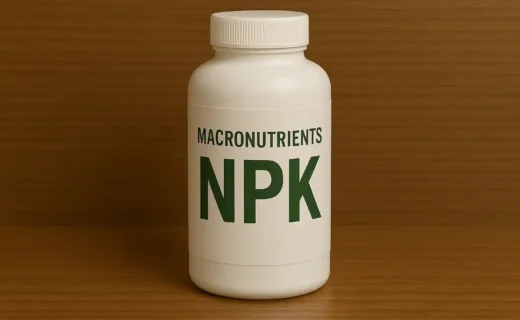
Macronutrients for Aquarium Plants: Complete Guide to NPK, Dosing & Healthy Growth
What you’ll learn in this lesson
- What macronutrients are and why aquarium plants depend on them
- The role of nitrogen (N), phosphorus (P), and potassium (K)
- Secondary macronutrients (Mg, Ca, S) and their interactions
- How to choose a nutrient dosing strategy
- How to diagnose and fix nutrient deficiencies
- NPK ratios for high-tech vs. low-tech aquariums
- How filtration, substrate, and CO₂ influence macronutrient demand
- Long-term nutrient stability and troubleshooting
- How to combine macronutrients with root tabs and trace elements
- FAQ for real-world nutrient problems
What Are Aquarium Macro Nutrients?
Let’s keep it simple. Macro nutrients are the big players, the essential elements that aquarium plants need in relatively larger quantities for robust growth. We’re talking about nutrients like nitrogen (N), phosphorus (P), and potassium (K), commonly known as NPK. These are the heavy lifters responsible for shaping the health and development of your aquatic flora
Key Functions of Macronutrients
Fuel for growth: NPK drives new leaf formation, tissue development, and root creation
Photosynthesis support: Nitrogen and magnesium are essential for chlorophyll
Energy transfer: Phosphorus powers ATP, the plant’s energy currency
Stress resistance: Potassium regulates water flow, disease resistance, and nutrient uptake
Balance control: Proper NPK levels prevent algae by stabilizing plant metabolism
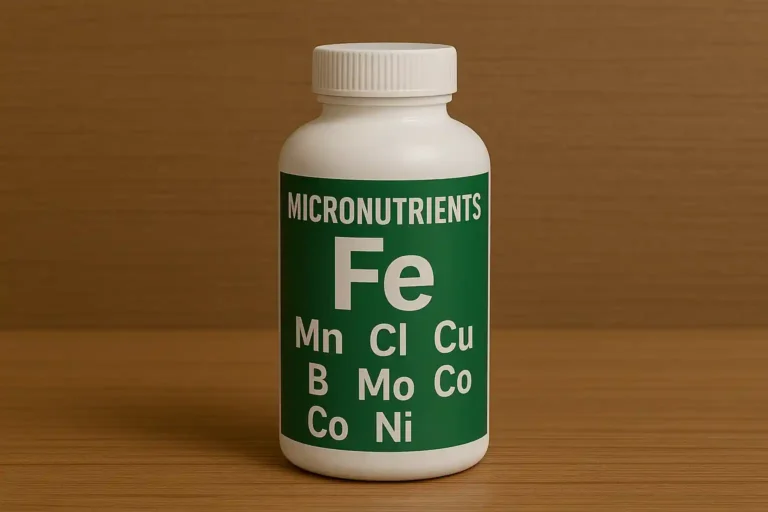
Macronutrients differ from micronutrients such as iron (Fe), manganese (Mn), or boron (B), which are required in smaller quantities but still essential.
Different plant species can tolerate different nutrient levels. Fast-growing stem plants often consume significantly more nitrogen and phosphorus than slow-growing epiphytes.
To explore the preferred growth conditions of specific species, visit the AquariumLesson Plant Library. Many plant profiles include recommended nutrient ranges, growth behavior, lighting demand, and CO₂ preferences to help you fine-tune your fertilization strategy.
Primary Macronutrients
Nitrogen (N)
Nitrogen forms the backbone of amino acids, proteins, and chlorophyll. It determines leaf density, overall vigor, and growth speed. In aquariums, nitrogen appears in three forms:
NO₃⁻ (nitrate): The safest and most commonly dosed form
NH₄⁺ (ammonium): Highly potent but risky — can cause algae blooms
Urea: Used in advanced fertilizers; requires controlled dosing
Ideal Nitrogen Range
High-tech tanks: 10–20 mg/l NO₃
Low-tech tanks: 5–15 mg/l NO₃
Shrimp tanks: 5–10 mg/l NO₃
Nitrogen Deficiency Symptoms
- Pale, yellowing young leaves
- Stunted growth
- Thin stems and reduced leaf size
- Plant feels “weak” or lacks density
Nitrogen Excess Symptoms
- Extremely fast growth followed by instability
- Dark, lush leaves prone to melting
- Potential algae (especially green algae)
- Stress sensitivity during trimming
Phosphorus (P)
Phosphorus is responsible for energy transfer and root development. It powers ATP production and boosts metabolic speed.
Ideal Phosphorus Range
- High-tech tanks: 0.5–2.0 mg/l PO₄
- Low-tech tanks: 0.1–0.5 mg/l PO₄
Phosphorus Deficiency Symptoms
- Purplish or reddish leaf tint
- Slow growth
- Weak root development
- Older leaves darken before dying
Phosphorus Excess Symptoms
Contrary to myth, phosphorus alone does not cause algae — imbalance does.
Effects of overdose:
- Dark green leaves
- Reduced uptake of iron (Fe)
- Rare cases of algae if NPK ratios collapse
Potassium (K)
Potassium regulates internal fluid pressure, nutrient transfer, and disease resistance. It is the macronutrient most frequently deficient in planted aquariums (especially if the substrate is old).
Ideal Potassium Range
- High-tech tanks: 10–30 mg/l K
- Low-tech tanks: 5–15 mg/l K
Potassium Deficiency Symptoms
- Pinholes in older leaves
- Yellow leaf edges
- Brown necrotic spots
- Leaves deteriorate from the tip inward
Potassium Excess Symptoms
- Calcium and magnesium uptake interference
- Fragile, brittle leaves
- Rare nutrient burn patches
Summary Table: Primary Nutrient Symptoms
| Nutrient | Deficiency | Excess |
|---|---|---|
| Nitrogen (N) | Pale new leaves, slow growth, thin stems | Rapid growth, dark leaves, algae risk |
| Phosphorus (P) | Purpling, poor roots, slow metabolism | Iron lockout, darkening leaves |
| Potassium (K) | Pinholes, yellow edges, necrosis | Ca/Mg interference, brittle leaves |
Secondary Macronutrients (Ca, Mg, S)
Secondary macronutrients are required in smaller amounts than NPK but still vital.
Calcium (Ca)
- Builds strong cell walls
- Prevents leaf deformities
- Important for growing tips
Deficiency: twisted growth, stunted tips, thin new leaves
Source: tap water, crushed coral, GH boosters
Magnesium (Mg)
- Central atom of chlorophyll
- Essential for photosynthesis
Deficiency: interveinal chlorosis (yellow leaves with green veins)
Source: GH booster, Epsom salt (MgSO₄)
Sulfur (S)
- Component of amino acids
- Required in moderate amounts
Deficiency: pale new growth, similar to N deficiency
These nutrients are usually present in tap water but may require supplementation in RO/soft-water setups.
How Macronutrients Work Together (N:P:K Ratios)
Healthy growth depends on balanced NPK ratios rather than chasing absolute values. Plants adapt to many ranges — but not poor ratios.
Ideal Balanced Ratios
- High-tech tanks: 10 : 1 : 15
- Low-tech tanks: 5 : 0.5 : 10
- Walstad-style: Soil-driven, minimal dosing
Redfield Ratio (16:1)
Often misunderstood — it applies to phytoplankton, not aquarium plants. Still, maintaining a healthy nitrogen-phosphorus proportion prevents algae competition.
When to Increase Each Nutrient
| Condition | Increase… | Why |
|---|---|---|
| Rapid new growth | Nitrogen | Supports protein formation |
| Weak roots | Phosphorus | Boosts ATP and root mass |
| Pinholes or yellowing | Potassium | Repairs cell pressure and enzyme transport |
| RO water / soft setups | Ca + Mg | Restore GH and plant stability |
Visual Diagnosis (Plant Appearance)
Use this quick visual tool to diagnose issues:
- New leaves pale → N deficiency
- Old leaves turn purple → P deficiency
- Pinholes + yellow edges → K deficiency
- Twisted new leaves → Ca deficiency
- Yellow between veins → Mg deficiency
How to Dose Macronutrients (NPK) Correctly
Dosing macronutrients is one of the most important steps in maintaining a healthy planted aquarium. The correct method depends on tank type, plant density, filtration strength, and whether or not you use CO₂ injection.
There is no single “best” method — instead, choose the dosing strategy that matches your aquarium’s biology and maintenance routine.
Popular Nutrient Dosing Methods (EI, PPS-Pro, ADA, Lean Dosing)
1. Estimative Index (EI Method)
The EI method (by Tom Barr) is designed for high-energy aquariums with strong lighting and CO₂ injection.
How EI Works
- Nutrients are intentionally overdosed to non-limiting levels
- Weekly 50% water changes prevent buildup
- Ensures plants never run out of nutrients
Typical EI Targets
- NO₃: 20–30 mg/l
- PO₄: 1.5–3 mg/l
- K: 20–30 mg/l
- GH boosters added if needed
Best For
- High-tech tanks with >0.8 W/L lighting
- Fast-growing stem plants
- CO₂-injected aquascapes
Pros
- Maximum growth
- Great for carpet plants
- Prevents nutrient-related algae
Cons
- Requires weekly large water changes
- Not ideal for shrimp tanks
- Can be too strong for beginners
2. PPS-Pro Method (Perpetual Preservation System)
Designed for aquariums that prefer precision and stability. Nutrients are dosed in small amounts daily.
How PPS-Pro Works
- Balanced micro + macro solution
- No large water changes required
- Plants receive nutrients continuously
Typical PPS-Pro Targets
- NO₃: 5–10 mg/l
- PO₄: 0.1–0.6 mg/l
- K: 5–10 mg/l
Best For
- Low-tech and medium-tech tanks
- Aquariums with moderate lighting
- Hobbyists who prefer daily dosing
Pros
- Very stable nutrient environment
- Minimal water changes required
- Safe for shrimp
Cons
- Less powerful than EI
- Growth may be slower
3. ADA / Lean Dosing Style
Popularized by ADA Aquasoil tanks. The idea is to dose nutrients sparingly, letting soil provide much of the nutrition.
How ADA-Style Works
- Light macronutrient dosing
- Heavy reliance on nutrient-rich soil
- Frequent water changes in early weeks
Best For
- Nature-style aquascapes
- Tanks with premium soil
- Slow to medium plant masses
Pros
- Natural, balanced look
- Enhances red plant coloration
- Good for ADA Amazonia users
Cons
- Can lead to deficiencies in mature tanks
- Requires monitoring and supplementation
4. Lean Dosing (Low-Nutrient Approach)
A modern trend in aquascaping, especially among CO₂ users who prefer slow, controlled growth.
Best For
- Red plants (colors intensify under lean nitrogen)
- Minimalist layouts with hardscape focus
- Tanks with powerful light but moderate plant mass
Choosing the Right Dosing Method
Use this quick selector:
| Tank Type | Recommended Method |
|---|---|
| CO₂ + High Light | EI Method |
| CO₂ + Medium Light | EI or PPS-Pro |
| Low-Tech Without CO₂ | PPS-Pro or Lean Dosing |
| Soil-Based Tank | ADA / Hybrid Dosing |
| Shrimp-Dominant Tank | PPS-Pro or Lean |
| Heavy Carpeting | EI |
| Slow-Growing Scapes | Lean or ADA |
How Lighting & CO₂ Affect Nutrient Demand
High Light + CO₂
- Fastest growth
- Highest NPK demand
- Most stable when nutrients are abundant
- EI or modified EI recommended
Medium Light + CO₂
- Moderate nutrient consumption
- Balanced NPK dosing
- PPS-Pro often ideal
Low Light (No CO₂)
- Plants consume nutrients slowly
- Overdosing risks algae
- Lean dosing or PPS-Pro work best
Substrate Influence on Macronutrient Requirements
Substrate dramatically alters nutrient demand.
Active Soil (e.g., ADA Amazonia, Tropica Soil)
- Provides nitrogen and phosphorus
- Releases ammonium in early weeks
- Reduces required NO₃ and PO₄ dosing
- Best lean or ADA-style dosing
Inert Substrates (sand, gravel)
- Provide zero macronutrients
- Require full NPK dosing
- Great for EI and PPS-Pro
Mineral-Based (Manado, Stratum)
- Hold nutrients but don’t provide much
- Benefit from root tabs for heavy feeders
Root Tabs vs Liquid Fertilizers
Both are important — but used differently.
Root Tabs (for root feeders)
Recommended for:
- Amazon Swords
- Cryptocoryne
- Vallisneria
- Lotus species
Root tabs provide:
- Local NPK delivery
- Strong root-zone nutrition
- Best results when replaced every 2–3 months
Liquid Fertilizers
Recommended for:
- Stems (Rotala, Ludwigia)
- Carpeting plants (Monte Carlo)
- Floating plants
Liquid NPK distributes nutrients evenly through the water column.
Best Practice
Use both:
- Root tabs for rooted plants
- Liquid fertilizers for water-column feeders
Daily vs Weekly Dosing
Daily Dosing
- More stable
- Great for sensitive tanks
- Works well with PPS-Pro
Weekly Dosing
- High nutrient spikes
- Perfect for EI method
- Requires 50% water change
Hybrid Dosing
Common among aquascapers:
- 3–4 micro doses per week
- 2 macro doses per week
- Weekly 30–50% water change
Water Testing: When & What to Measure
Test Weekly For:
- NO₃ (target 5–25 mg/l depending on method)
- PO₄ (target 0.1–3.0 mg/l)
- K (often untested, monitored by leaf signs)
Test Monthly For:
- GH (Ca + Mg)
- KH (buffering capacity)
When to Test Daily:
- After trimming heavily
- After algae outbreaks
- During soil cycling
- After dosage changes
How Filtration Affects Nutrients
Filtration determines how quickly nutrients are consumed or removed.
Strong Filtration (large canister filters)
- Faster nutrient turnover
- More bacterial conversion of ammonia → nitrite → nitrate
- May reduce nitrate dosing frequency
Weak Filtration
- Nutrients remain longer in water
- Higher chance of dead spots
- Need to dose more sparingly to avoid algae
Sponge Filters
- Shrimp tanks
- Slow nutrient consumption
- Perfect for PPS-Pro or Lean Dosing
Algae Prevention Through NPK Balance
Algae is rarely caused by “too many nutrients.”
Algae appears when nutrients are unbalanced.
Which imbalance causes which algae?
| Algae Type | Imbalance Cause |
|---|---|
| Green Dust | Low nitrogen or unstable CO₂ |
| Green Spot | Low phosphorus |
| Hair Algae | Low CO₂ / inconsistent CO₂ |
| BBA | Low flow + CO₂ instability |
| Diatoms | New tanks, low nitrate |
Pro Tips
- Always stabilize CO₂ before increasing NPK
- Keep flow strong and consistent
- Dose macros and micros on alternate days
How Water Changes Influence Nutrients
Water changes impact macronutrient levels based on:
- Tap water content
- Dosing strategy
- Substrate type
- Algae status
High-Tech Tanks
Weekly 50% change recommended
Balances NPK and resets water chemistry
Low-Tech Tanks
20–30% every 1–2 weeks
Just enough to prevent buildup
Advanced Macronutrient Strategies
Adaptive Dosing Based on Plant Mass
Nutrient demand rises as plant mass increases. A newly planted tank requires far less NPK than a fully grown stem jungle.
Adjust NPK by observing:
- Leaf density
- Growth speed
- Color saturation
- Pruning frequency
General rule:
Every time you perform a heavy trim, reduce your NPK dosing for several days.
Seasonal / Environmental Adjustments
Indoor planted tanks still experience environmental changes.
Winter
- Lower room temperature → slower growth
- Reduce N dosing by 20–30%
- Reduce PO₄ dosing slightly
- Keep CO₂ stable to compensate
Summer
- Higher temperatures → faster metabolism
- Increase NPK by 10–20%
- Increase water circulation
- Watch for algae blooms
NPK and CO₂ Interaction
Macronutrients only show their full effect when CO₂ levels are stable.
- Target 20–30 mg/l CO₂ in high-tech tanks
- Stability > peak ppm
- High light + low CO₂ → algae (even with perfect NPK)
Golden Rule:
If you see algae, check CO₂ BEFORE adjusting nutrients.
Case Studies: Real-World NPK Situations
Case 1 — Yellowing New Growth (High-Tech Tank)
Tank: 60L, CO₂, strong lighting
Symptoms: pale new leaves, stunted Rotala
Cause: nitrogen deficiency
Solution: raise NO₃ from 10 → 20 mg/l
Result: full recovery in ~7 days
Case 2 — Purplish Leaves in Cryptocoryne (Low-Tech)
Tank: 120L, no CO₂, low light
Symptoms: purplish tint, slow growth
Cause: phosphorus deficiency
Solution: use liquid PO₄ to reach 0.3 mg/l
Result: new leaves green, roots thicken
Case 3 — Pinholes in Anubias (Mixed Plants)
Tank: 200L, medium light, CO₂
Symptoms: pinholes, necrotic spots
Cause: potassium deficiency
Solution: add 5–10 mg/l K weekly
Result: pinholes stop appearing within 2 weeks
Case 4 — Algae After Increasing PO₄
Tank: 45P, CO₂, medium light
Symptoms: mild hair algae
Cause: CO₂ instability, NOT excess PO₄
Solution: stabilize CO₂ drop checker to lime-green at lights-on
Result: algae disappears naturally
Complete Troubleshooting Guide for NPK Problems
1. Plants Growing Slowly
Check: Nitrogen
Fix: Raise NO₃ by 5–10 mg/l
2. Leaves Turning Purple
Check: Phosphorus
Fix: Add 0.2–0.4 mg/l PO₄
3. Pinholes or Brown Spots
Check: Potassium
Fix: Add 5–15 mg/l K
4. Twisted New Growth
Check: Calcium
Fix: Increase GH by 2–4°dH
5. Yellow Leaves with Green Veins
Check: Magnesium
Fix: Add MgSO₄ (Epsom salt)
6. Algae Outbreaks
Check:
- CO₂ stability
- Flow
- NPK balance
7. Plants Melting After Trim
Cause: Sudden nutrient flux
Fix: Reduce NPK temporarily and increase CO₂ consistency
Quick NPK Targets (Summary)
| Tank Type | NO₃ | PO₄ | K |
|---|---|---|---|
| High-Tech | 10–25 mg/l | 0.5–2 mg/l | 15–30 mg/l |
| Medium-Tech | 5–15 mg/l | 0.3–1.0 mg/l | 10–20 mg/l |
| Low-Tech | 5–10 mg/l | 0.1–0.5 mg/l | 5–15 mg/l |
| Shrimp Tanks | 5–10 mg/l | <0.5 mg/l | 5–10 mg/l |
Practical Dosing Examples
Example A — 60L High-Tech EI
- 20 mg/l NO₃
- 2 mg/l PO₄
- 20 mg/l K
- Weekly 50% water change
Example B — 120L Medium-Tech PPS-Pro
- 5–8 mg/l NO₃/day
- 0.2–0.4 mg/l PO₄/day
- 5–10 mg/l K/day
Example C — 200L Low-Tech Lean
- 5 mg/l NO₃/week
- 0.2 mg/l PO₄/week
- 5–10 mg/l K/week
Sustainable Nutrient Practices
- Avoid overstocking fish (excess waste = nitrogen spikes)
- Use slow-release root tabs for rooted plants
- Choose natural soils with long-term nutrient capacity
- Replace old inert substrates after several years
- Keep filtration media clean to maintain flow
- Monitor NPK monthly, adjust seasonally
Key Takeaways
- Macronutrients (NPK) are the foundation of healthy plant growth
- Balance matters far more than absolute values
- Choose a dosing method that fits your tank’s energy level
- Substrate and CO₂ play a major role in nutrient demand
- Diagnose deficiencies by leaf symptoms
- Stable CO₂ prevents algae better than any nutrient tweak
- NPK dosing becomes easier with consistent routine and observation
Conclusion
A thriving planted aquarium begins with understanding and managing macronutrients. Nitrogen, phosphorus, and potassium — combined with secondary nutrients like magnesium and calcium — form the chemical backbone of healthy aquatic plant growth.
No matter your setup, from a dense high-tech scape to a calm low-tech community tank, the principles of NPK management remain the same: maintain balance, observe carefully, and adjust gently. With the right nutrient routine, you unlock lush greenery, vivid coloration, strong root systems, and long-term aquarium stability.
Master macronutrients, and your plants will reward you with vigorous, consistent, and stunning growth — all year round.
If you want to understand how specific plant species react to nutrient levels, browse the AquariumLesson Plant Library where you can filter plants by growth speed, light demand, and CO₂ requirements.
💬 Join the Conversation
Tag us on Instagram @AquariumLesson — we’d love to see your nutrient dosing results, lush growth, and recovery transformations!
FAQ – Most Asked Questions about Aquarium Macro Nutrients
What are aquarium macronutrients?
They are the primary nutrients — nitrogen (N), phosphorus (P), and potassium (K) — required in larger quantities to support healthy plant growth.
Why are macronutrients important for aquarium plants?
They fuel growth, drive photosynthesis, support cell structure, and help plants resist stress and disease.
How can I tell if my aquarium plants lack macronutrients?
Look for slowed growth, pale or discolored leaves, pinholes, or necrotic spots depending on which nutrient is missing.
Can I use regular garden fertilizer for aquarium plants?
No. Always use aquarium-safe fertilizers to avoid harming fish, shrimp, and beneficial bacteria.
How often should I add macronutrients?
Dosing frequency depends on your method — EI (several times per week), PPS-Pro (daily), or lean dosing (weekly).
Can I overdose macronutrients?
Yes, but imbalance is the real issue. Excess nutrients rarely cause algae by themselves — instability or improper ratios do.
Why are balanced fertilizers important?
They provide complete NPK ratios, helping avoid deficiencies, reduce guesswork, and keep plant growth stable.
Do different aquarium plants have different nutrient needs?
Yes. Fast-growing stem plants require more NPK, while epiphytes and slow growers need significantly less.
Should I use root tabs?
Use them for heavy root feeders such as Amazon Swords and Cryptocoryne. Place tabs near the root zone for efficient uptake.
How do I fix macronutrient deficiencies?
Adjust your dosing schedule, increase the specific nutrient that is lacking, and combine liquid fertilizers with root tabs when needed.
New to AquariumLesson? Start with our complete Aquarium Lessons Hub or return to the homepage at AquariumLesson.com.
Continue learning

References
- Tropica Aquarium Nutrition Guide — Tropica
Explains balanced fertilization, root tabs vs liquid dosing, and nutrient uptake.
https://tropica.com/en/plant-care/fertilizer/ - 2Hr Aquarist — Advanced Nutrient Theory
Covers nitrogen limitation, phosphorus myth-busting, and potassium deficiency diagnosis.
https://www.2hraquarist.com/blogs/ - Barr Report — Estimative Index Method (EI)
Original source on high-nutrient dosing systems.
https://barrreport.com/ - PPS-Pro Method — AquariumFertilizer
Official dosing instructions and recommendations.
https://www.aquariumfertilizer.com/ - ADA Aquasoil & Additives Guide — ADA Japan
Detailed insights on lean dosing combined with active substrates.
https://www.adana.co.jp/