

Easy Aquarium Plants for Beginners: Best Starter Guide
Introduction
Easy aquarium plants are the best starting point for beginners who want a natural, healthy freshwater tank without complicated equipment. The right plants make an aquarium look better, provide shelter for fish, compete with algae, soften the layout, and help beginners understand how a living aquarium system works.
But not every aquarium plant is beginner-friendly. Some plants need strong light, pressurized CO₂, rich substrate, frequent trimming, or very stable fertilization. If you start with demanding plants too early, the result is often melting leaves, algae-covered growth, weak roots, and frustration.
This guide focuses on easy aquarium plants for beginners: hardy species that can grow in low to moderate light, often without injected CO₂, and with simple care. You will learn which plant types are easiest, where to place them, how to plant them correctly, what mistakes to avoid, and how to build a planted aquarium that feels stable instead of stressful.
If you want a broader overview of plant categories, start with the Aquarium Plants Guide. For lighting decisions, pair this lesson with the Aquarium Plant Light Requirements Guide.
Quick answer: The easiest aquarium plants for beginners are usually slow-growing epiphytes, hardy rosette plants, floating plants, mosses, and adaptable stems. Good starter options include Anubias, Java fern, Cryptocoryne, Java moss, Amazon sword, Vallisneria, hornwort, water sprite, and floating plants.
What You’ll Learn in This Lesson
- Which aquarium plants are easiest for beginners
- What makes a plant beginner-friendly
- Which plants grow well in low light
- Which plants can grow without CO₂ injection
- How to place foreground, midground, background, and floating plants
- How to plant epiphytes without killing the rhizome
- How to avoid melting, algae, and weak plant growth
- How to build a simple planted aquarium around easy species

What Makes an Aquarium Plant Easy?
An easy aquarium plant is not just a plant that survives. It is a plant that can adapt to normal beginner conditions without needing extreme light, injected CO₂, constant fertilization, or perfect water parameters.
Beginner-friendly plants usually grow under low to moderate lighting, tolerate a range of freshwater conditions, recover from planting stress, and do not collapse immediately if one part of the setup is imperfect. Many of them grow slowly, which also means less trimming and a lower chance of the tank becoming chaotic.
The easiest aquarium plants often share several traits:
- Low to moderate light demand: They do not need intense aquarium lighting.
- No mandatory CO₂ injection: They can grow without a pressurized CO₂ system.
- Adaptability: They tolerate normal beginner water conditions.
- Durable leaves or roots: They recover better from handling and transport.
- Simple placement: They can be attached, planted, floated, or placed without advanced aquascaping skills.
- Moderate maintenance: They do not require constant trimming or complicated dosing.
Easy does not mean maintenance-free. Plants still need light, nutrients, clean water, and time to adapt. But they give beginners a much better chance of success than delicate, high-demand species.
Best Easy Aquarium Plants for Beginners
The best beginner aquarium plants depend on your tank size, lighting, substrate, fish, and layout goals. Still, some plant groups are consistently more forgiving than others.
Use the following table as a practical starting point. It includes plant types that are widely used in beginner planted aquariums and low-tech setups.
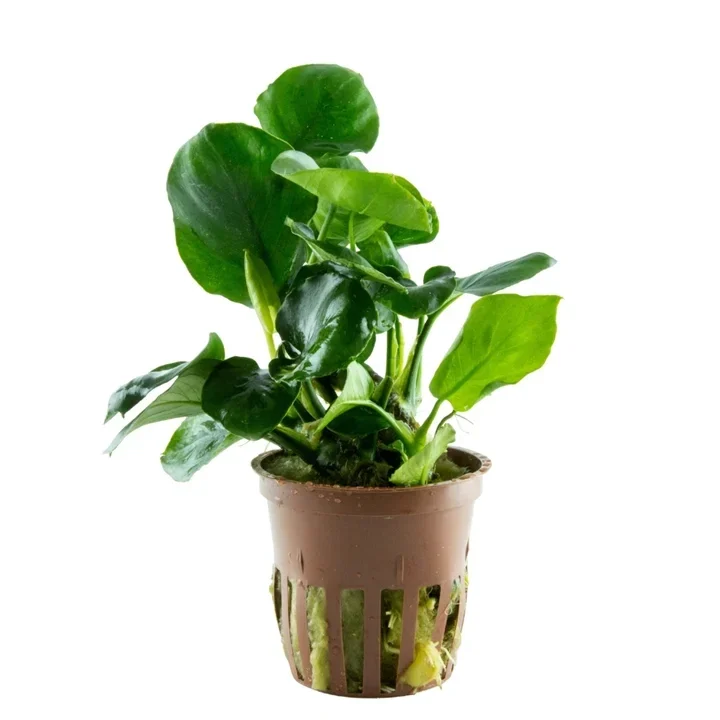
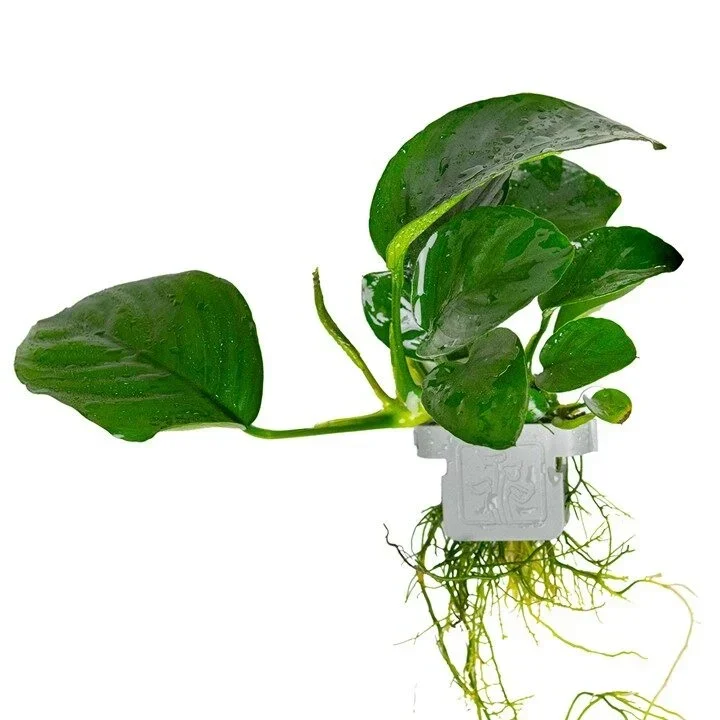 Beginner
Anubias barteri var. caladiifolia


 22–26°C
 Low Light
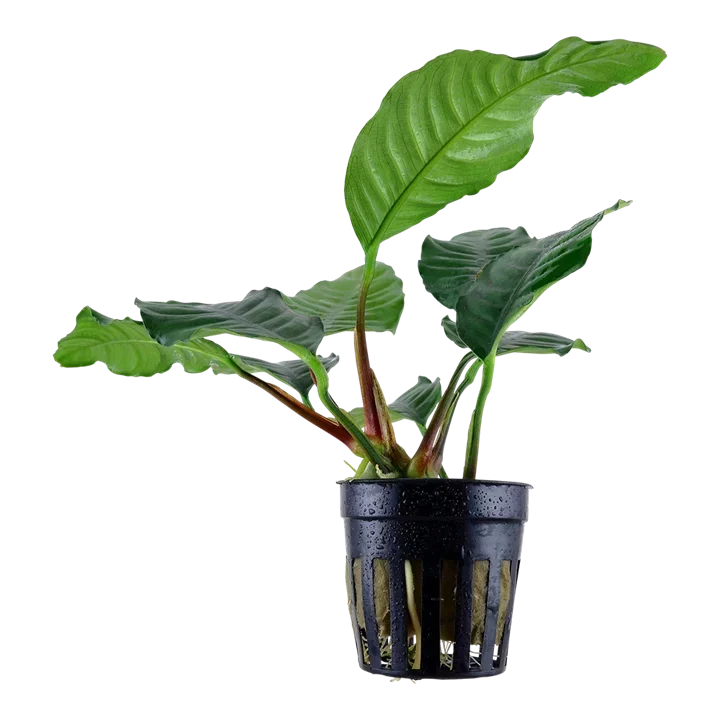 Beginner Friendly
Anubias barteri var. coffeifolia

 22–26°CLow Light
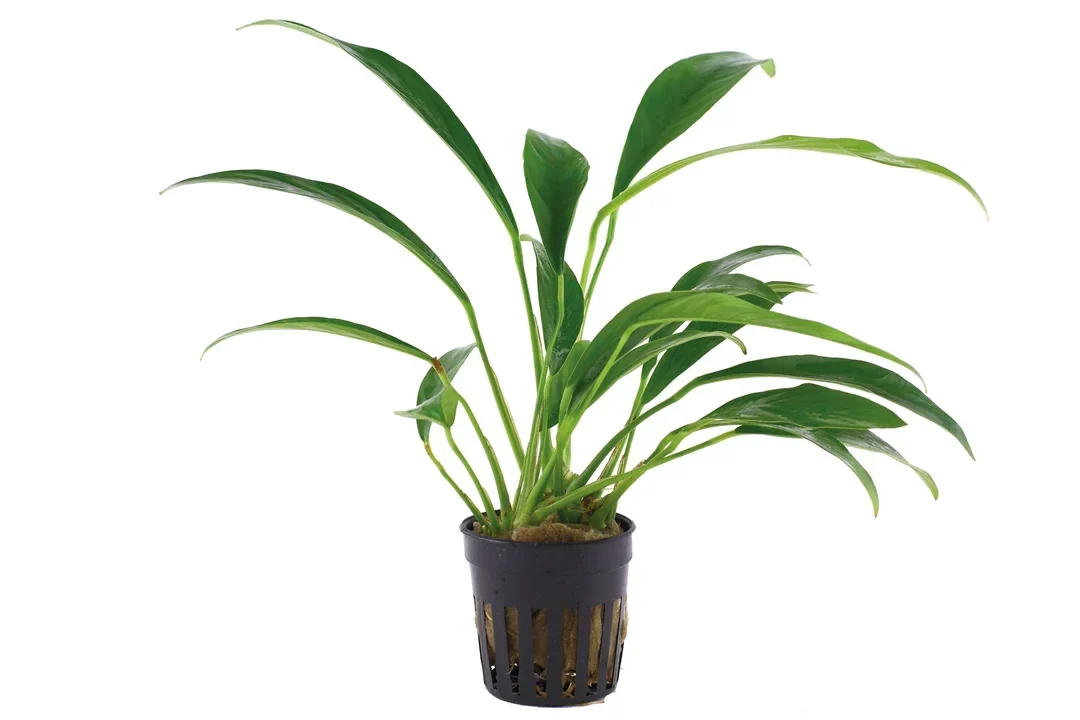 Beginner Friendly
Anubias barteri var. glabra
22–26°CLow Light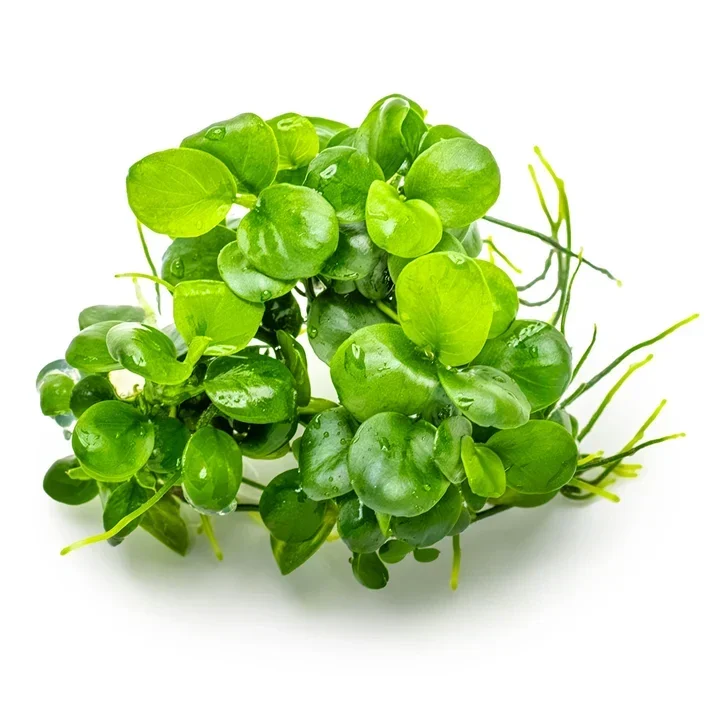 Beginner Friendly
Anubias barteri 'Mini Coin'
Low Light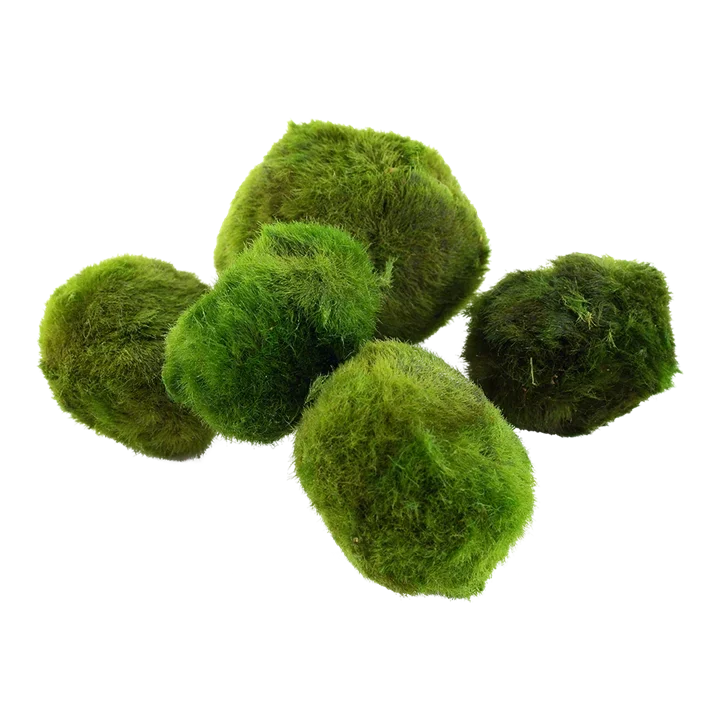 Beginner
Aegagropila linnaei
 15–24°CLow Light
 Beginner Friendly
Anubias barteri 'Coin Leaf'
Low Light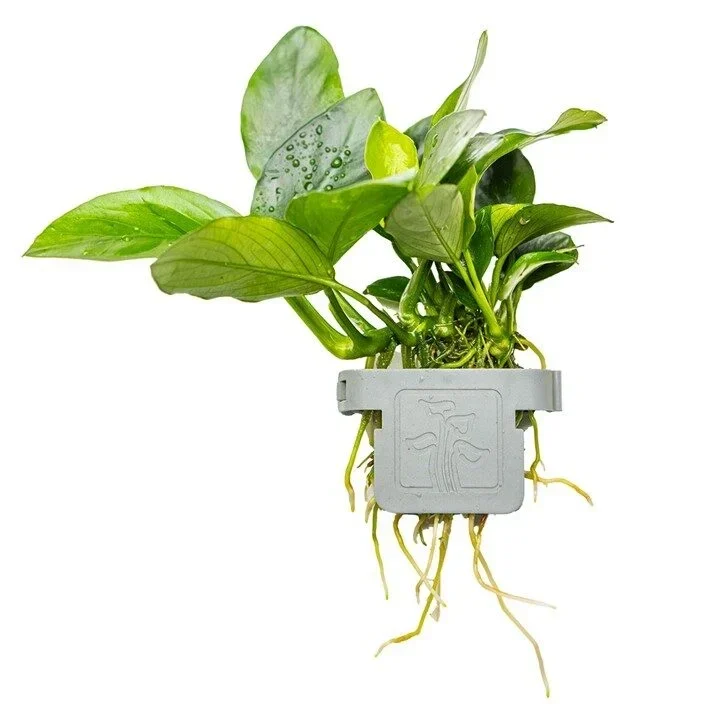 Beginner Friendly
Anubias barteri var. nana
22–26°CLow Light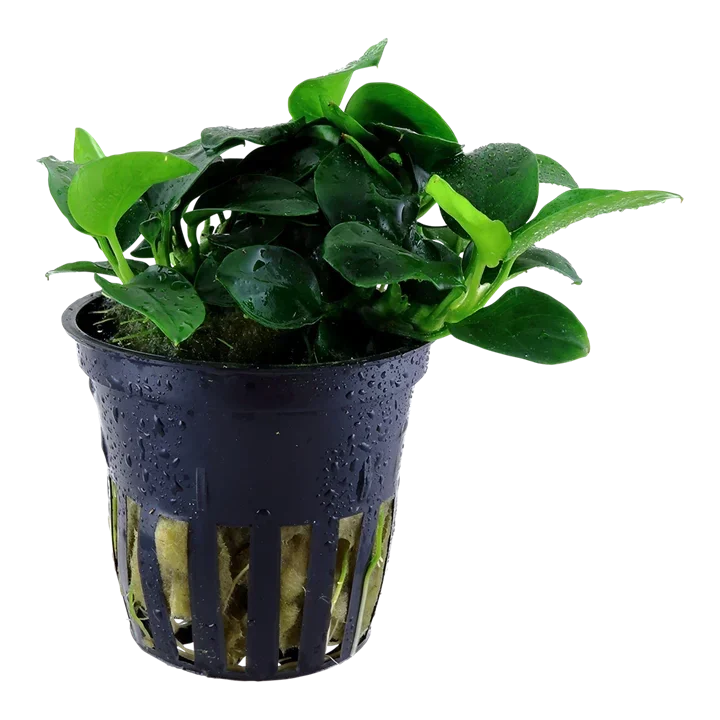 Beginner Friendly
Anubias barteri var. nana 'Petite' ('Bonsai')
22–26°CLow Light| Plant | Type | Best Placement | Why Beginners Like It |
|---|---|---|---|
| Anubias | Epiphyte | Hardscape, foreground, midground | Very hardy, slow-growing, low-light tolerant |
| Java Fern | Epiphyte | Wood, rocks, midground, background | Durable and does not need nutrient-rich substrate |
| Cryptocoryne | Rooted rosette plant | Foreground to midground | Adapts well once established |
| Java Moss | Moss | Wood, rocks, shrimp areas | Easy to attach and useful for fry or shrimp |
| Amazon Sword | Rooted rosette plant | Background or centerpiece | Large, classic, strong root feeder |
| Vallisneria | Grass-like background plant | Background | Creates simple height and movement |
| Hornwort | Fast-growing stem/floating plant | Floating or background | Fast nutrient uptake and no complex planting |
| Water Sprite | Stem or floating plant | Background or floating | Flexible, fast-growing, good for beginner stability |
| Floating Plants | Surface plants | Water surface | Shade, nutrient uptake, cover for shy fish |
Do not buy every plant at once just because the list looks easy. Choose a balanced mix: one or two hardscape plants, one or two rooted plants, and maybe one floating or fast-growing nutrient helper.
Easy Epiphyte Aquarium Plants
Epiphyte plants are often the easiest aquarium plants for beginners because they do not need to be buried deeply in the substrate. Instead, they are attached to rocks, driftwood, or aquarium decor.
The most important rule is simple: do not bury the rhizome. The rhizome is the thick horizontal stem from which leaves and roots grow. If it is buried under substrate, it can rot. The roots may attach to surfaces, but the rhizome itself should remain exposed.
Popular beginner epiphytes include Anubias, Java fern, and Bucephalandra. These plants grow slowly, tolerate lower light, and work well in simple low-tech aquariums.
- Anubias: Extremely hardy, slow, compact, and excellent for shaded areas.
- Java fern: Durable and available in many leaf shapes.
- Bucephalandra: Often beautiful and slow-growing, but some varieties are more expensive.
- Mosses: Can be attached to wood and rock, though they may need trimming to stay clean.
For a deeper category guide, read the Epiphyte Aquarium Plants Guide.
Easy Rooted Aquarium Plants
Rooted plants are planted into the substrate. They can be easy, but they depend more on substrate quality, root nutrition, and correct planting depth.
Cryptocoryne and Amazon sword are classic beginner examples. They can grow well in low-tech aquariums, but they feed heavily through their roots. If you use plain sand or gravel, root tabs may help them grow better.
Cryptocoryne plants are especially useful in beginner aquariums because they stay manageable and adapt to many layouts. They may melt after being moved, which means old leaves die back. This often scares beginners, but the plant can regrow from the roots if the aquarium remains stable.
Amazon swords can become large, so they are better for medium and larger aquariums. They make strong background or centerpiece plants but may outgrow small nano tanks.
| Rooted Plant | Beginner Strength | Care Note |
|---|---|---|
| Cryptocoryne | Hardy once established | May melt after planting but often regrows |
| Amazon Sword | Strong classic background plant | Needs root nutrition and enough space |
| Vallisneria | Easy background height | Can spread by runners in stable tanks |
| Dwarf Sagittaria | Possible beginner foreground plant | Needs decent light and root nutrition |
If you are planning a substrate for rooted plants, compare the Aquarium Soil Guide and the Aquarium Sand Guide.
Easy Floating Aquarium Plants
Floating plants are excellent beginner plants because they grow at the surface, close to light and atmospheric CO₂. This gives them an advantage compared with many submerged plants.
They can help shade the aquarium, absorb excess nutrients, provide cover for shy fish, and make the tank feel more natural. They are especially useful in low-tech aquariums, betta-style layouts, shrimp tanks, and calm community setups.
However, floating plants still need management. If they cover the entire surface, they can block too much light from plants below and reduce surface gas exchange. Thin them regularly so the tank remains balanced.
- Best use: Shade control, nutrient uptake, fish cover, natural look.
- Main risk: Blocking too much light if not thinned.
- Beginner tip: Keep an open feeding area and surface movement zone.
For detailed choices, see the Floating Aquarium Plants Guide.
Easy Background Plants for Beginners
Background plants create height, hide equipment, and make the aquarium feel fuller. For beginners, the best background plants are hardy, adaptable, and not too demanding.
Vallisneria, water sprite, hornwort, and hardy stem plants can work well depending on the setup. Fast-growing background plants can help absorb nutrients, but they may need regular trimming. Slower plants need less maintenance but may take longer to fill the tank.
The best choice depends on whether you want a calm low-maintenance look or fast plant growth. If algae is a concern in a new aquarium, adding enough easy background plant mass can help the tank stabilize faster.
| Background Plant Type | Best For | Maintenance Level |
|---|---|---|
| Vallisneria | Natural grass-like background | Low to moderate |
| Hornwort | Fast nutrient uptake | Moderate because it grows quickly |
| Water Sprite | Flexible planted or floating use | Moderate |
| Hardy stem plants | Filling empty background space | Moderate trimming needed |
For more options, read the Aquarium Background Plants Guide.
Easy Midground and Foreground Plants
The midground is where many beginner aquariums can look especially natural. It connects the foreground and background and gives fish shelter without overcrowding the swimming space.
Easy midground plants include Cryptocoryne, smaller Java fern varieties, Anubias, moss-covered stones, and compact rosette plants. These plants are forgiving because they do not usually demand intense light or constant trimming.
Foreground plants are trickier. Many famous carpeting plants are not truly beginner plants because they need stronger light, CO₂, and stable nutrients to stay low and dense. Beginners who want a low foreground should choose easier alternatives or accept slower growth.
- Easiest midground approach: Use Cryptocoryne, Anubias, Java fern, and moss on hardscape.
- Easiest foreground approach: Use small epiphytes, low Cryptocoryne, stones, sand, or slow-growing low plants.
- Avoid early frustration: Do not build your first planted tank around demanding carpets.
For more structure, use the Aquarium Midground Plants Guide. If you want carpeting plants later, read the Aquarium Carpeting Plants Guide before choosing species.
Easy Aquarium Plants Without CO₂
Many easy aquarium plants can grow without CO₂ injection. The key is to match the plant list to the energy level of the tank. Without injected CO₂, plants grow more slowly and cannot always use strong light efficiently.
A beginner no-CO₂ planted tank should use low to moderate lighting, hardy plants, enough plant mass from the start, and stable care. If you use very strong light without CO₂, algae often appears before plants can respond.
Good no-CO₂ beginner plants include Anubias, Java fern, Cryptocoryne, mosses, hornwort, water sprite, Vallisneria, and floating plants. Growth will not be instant, but it can be healthy and stable.
Beginner rule: If you do not use CO₂ injection, do not compensate with extreme light. Choose easier plants and let the aquarium grow at a slower, more stable rhythm.
Lighting for Easy Aquarium Plants
Easy aquarium plants usually do best under low to moderate light. This is good news for beginners because moderate lighting is more forgiving than strong lighting.
Too little light can cause weak growth, pale leaves, or slow decline. Too much light can trigger algae, especially if the tank has low plant mass, inconsistent nutrients, or no CO₂ injection. The goal is not maximum brightness. The goal is balance.
Use a timer so the light schedule is consistent. Many beginner planted tanks do better with a moderate daily photoperiod than with lights left on from morning until night.
| Lighting Situation | Likely Result | Beginner Fix |
|---|---|---|
| Very weak light | Slow or poor plant growth | Use low-light plants or improve light carefully |
| Moderate light | Best beginner balance | Good for most easy plants |
| Strong light without CO₂ | Higher algae risk | Reduce intensity or duration |
| Long photoperiod | Algae pressure increases | Use a timer and shorten the schedule |
| Direct sunlight | Algae and heat swings | Move the tank or block direct sun |
For deeper guidance, read the Aquarium Lighting Guide, Low-Tech Aquarium Lighting Guide, and Aquarium Lighting Calculator.
Fertilizer for Beginner Aquarium Plants
Easy plants still need nutrients. Fish waste, tap water, substrate, and decaying organic matter may provide some nutrients, but planted aquariums often benefit from basic fertilization.
The important point is not to overcomplicate dosing. Beginners should avoid randomly adding multiple products without knowing what the plants need. Start simple and watch plant response. New leaves often tell you more than old leaves because old leaves may already be damaged from shipping or transition.
Root-feeding plants such as Amazon sword and Cryptocoryne may benefit from root tabs, especially in sand or gravel. Epiphytes, mosses, floating plants, and stem plants use nutrients from the water column and may benefit from a balanced liquid fertilizer.
- Root tabs: Useful for rooted plants in inert substrate.
- Liquid fertilizer: Useful for epiphytes, mosses, floating plants, and stem plants.
- Macronutrients: Nitrogen, phosphorus, and potassium support major growth needs.
- Micronutrients: Iron and trace elements support healthy new growth.
- Water changes: Help prevent buildup and keep dosing more predictable.
For nutrient basics, read Macronutrients for Aquarium Plants and Micronutrients for Aquarium Plants. If you want help calculating doses, use the Fertilizer Dosing Calculator.
How to Plant Easy Aquarium Plants Correctly
Many beginner plant failures come from incorrect planting rather than poor plant choice. A hardy plant can still struggle if it is buried incorrectly, shaded completely, planted too deeply, or placed in the wrong zone.
Different plant types need different handling. Epiphytes should be attached to hardscape. Rooted plants should go into the substrate. Floating plants should remain at the surface. Mosses can be tied or glued to wood and stone.
| Plant Type | Correct Method | Common Mistake |
|---|---|---|
| Epiphytes | Attach to wood or rocks | Burying the rhizome |
| Rooted plants | Plant roots in substrate | Burying crown too deeply or damaging roots |
| Stem plants | Plant stems with spacing | Planting bunches too tightly |
| Mosses | Tie or glue thin layers to hardscape | Using thick clumps that trap debris |
| Floating plants | Let them float with access to light | Letting them cover the whole surface |
After planting, give the aquarium time. Many plants need an adaptation period after being moved from a farm, store, or emersed growth form into submerged aquarium conditions.
Why Beginner Aquarium Plants Melt
Plant melt means leaves soften, turn transparent, detach, or decay after planting. It is common with some aquarium plants, especially Cryptocoryne and tissue-culture plants, and it does not always mean the plant is dead.
Melt often happens because the plant is adapting to new water, lighting, temperature, flow, or submerged growth. Many aquarium plants are grown above water before sale. When placed underwater, old leaves may fail while new submerged leaves grow later.
The beginner mistake is to panic and change everything at once. If roots and crowns are healthy, the best response is often to remove decaying leaves, keep conditions stable, and wait for new growth.
- Remove melting leaves before they decay heavily.
- Do not constantly move newly planted plants.
- Keep lighting and water changes consistent.
- Check that rhizomes or crowns are not buried incorrectly.
- Look for new growth before judging the plant as failed.
If many different plants melt at once, check water quality, temperature, lighting, and whether the tank is still biologically unstable.
Common Beginner Mistakes With Aquarium Plants
Easy aquarium plants are forgiving, but beginners can still make care mistakes that slow growth or create algae problems.
| Mistake | Why It Causes Problems | Better Approach |
|---|---|---|
| Burying Anubias or Java fern rhizomes | Rhizomes can rot | Attach epiphytes to wood or rocks |
| Using too much light | Algae grows faster than plants can respond | Use moderate light on a timer |
| Choosing demanding carpets | They often need stronger light and CO₂ | Start with easier foreground options |
| Planting too sparsely | Algae gets open space and nutrients | Add enough plant mass from the start |
| No root nutrition for root feeders | Plants like swords may decline | Use root tabs or plant substrate |
| Ignoring melting leaves | Decay can add waste | Remove dead leaves during maintenance |
| Moving plants constantly | Prevents adaptation and rooting | Plant once and allow time |
| Expecting instant growth | Low-tech plants grow slowly | Judge progress by new growth over weeks |
Most beginner plant problems come from mismatch: too much light for too little plant mass, the wrong plant for the setup, or the wrong planting method for the plant type.
Simple Beginner Planting Plan
A beginner planted aquarium becomes easier when the plant list has a purpose. Do not buy random plants only because they look good in the store. Build a simple structure with foreground, midground, background, and surface support.
Here is a practical beginner plant plan for a low-tech freshwater aquarium:
| Tank Area | Easy Plant Choice | Purpose |
|---|---|---|
| Foreground | Small Anubias, low Cryptocoryne, moss on stones | Creates detail without difficult carpeting |
| Midground | Java fern, Anubias, Cryptocoryne | Adds structure and shelter |
| Background | Vallisneria, water sprite, hardy stems | Creates height and hides equipment |
| Hardscape | Epiphytes and mosses | Natural look without substrate dependency |
| Surface | Floating plants | Shade, nutrient uptake, fish comfort |
This structure is easier than trying to create a high-end aquascape immediately. It gives the aquarium plant mass, cover, and visual balance while keeping care simple.
Easy Aquarium Plants by Setup Type
The easiest plant choice depends on your aquarium style. A shrimp tank, betta tank, low-tech community tank, and larger planted aquarium may use different plant combinations.
| Setup Type | Best Easy Plants | Why |
|---|---|---|
| Beginner community tank | Java fern, Anubias, Cryptocoryne, Vallisneria | Hardy, natural, and low maintenance |
| Shrimp tank | Mosses, floating plants, Java fern, Bucephalandra | Provides grazing surfaces and cover |
| Betta-style calm tank | Floating plants, Anubias, Java fern, Cryptocoryne | Creates shade and resting areas |
| No-CO₂ planted tank | Epiphytes, crypts, mosses, floating plants, hardy stems | Matches low-energy growth |
| Larger beginner aquarium | Amazon sword, Vallisneria, background plants | Fills space and creates structure |
| Nano aquarium | Small Anubias, mosses, compact crypts | Stays proportionate in small spaces |
The best beginner plant list is not the longest list. It is the list that fits your tank, fish, light, and maintenance routine.
How to Keep Easy Aquarium Plants Healthy
Once the plants are in the tank, consistency matters more than constant intervention. Easy plants usually decline when the aquarium becomes unstable or when beginners keep making sudden changes.
- Use a consistent light schedule.
- Remove dead or melting leaves during maintenance.
- Do not overfeed fish, because excess waste can fuel algae.
- Perform regular water changes based on tank needs.
- Use root tabs for heavy root feeders in inert substrate.
- Dose liquid fertilizer lightly if plants need water-column nutrients.
- Avoid moving rooted plants repeatedly.
- Trim fast growers before they shade everything below.
- Keep floating plants thinned so light can reach submerged plants.
For general maintenance rhythm, read the Aquarium Water Change Guide.
Troubleshooting Easy Aquarium Plants
If your beginner plants are struggling, use symptoms to narrow down the cause. Do not immediately replace all plants or add random chemicals. Most issues are caused by light, planting method, nutrients, adaptation, or unstable water conditions.
| Problem | Possible Cause | What to Check |
|---|---|---|
| Leaves melting after planting | Transition stress or new conditions | Remove dying leaves and wait for new growth |
| Anubias rhizome rotting | Rhizome buried | Attach plant to hardscape with rhizome exposed |
| Yellow new leaves | Possible nutrient limitation | Review fertilizer and micronutrients |
| Leggy stem growth | Low light or overcrowding | Check light strength and spacing |
| Algae on slow leaves | Too much light or slow growth | Reduce light pressure and improve balance |
| Rooted plants not growing | Poor root nutrition | Consider root tabs or better substrate |
| Floating plants dying | Too much surface agitation or poor nutrients | Check flow, humidity, and water-column nutrients |
If algae is the main problem, start by checking lighting. The Aquarium Lighting and Algae Guide explains why algae often appears when light, nutrients, plant mass, and maintenance are out of balance.
Best Beginner Strategy: Start Easy, Then Upgrade
The best strategy for beginners is to start with easy aquarium plants and upgrade gradually. Your first goal is not to grow every rare plant or create a competition aquascape. Your first goal is to understand how plants respond in your own tank.
Once you can keep Anubias, Java fern, Cryptocoryne, floating plants, and a few hardy stems healthy, you can experiment with more demanding plants. At that point, you will better understand light, nutrients, substrate, trimming, algae, and plant adaptation.
This approach saves money and frustration. It also gives your aquarium a stronger biological foundation before you try harder species.
- Start with hardy plants.
- Use moderate light.
- Learn how your tank responds.
- Add nutrients only with purpose.
- Wait for new growth before judging success.
- Try demanding plants later, not on day one.
A planted aquarium becomes easier when you let the system mature instead of forcing instant results.
Conclusion
Easy aquarium plants are the best way to start a planted freshwater tank. They help beginners create a natural aquarium without needing extreme light, pressurized CO₂, or complicated routines from day one.
Start with hardy species such as Anubias, Java fern, Cryptocoryne, Java moss, Amazon sword, Vallisneria, hornwort, water sprite, and floating plants. Match the plants to your tank size, lighting, substrate, and maintenance style.
The most important lesson is balance. Easy plants still need the right placement, stable light, basic nutrients, clean water, and patience. When you choose beginner-friendly plants and give them time to adapt, your aquarium becomes healthier, more natural, and far more enjoyable to maintain.
💬 Join the Conversation
Which easy aquarium plants are you starting with — Anubias, Java fern, Cryptocoryne, mosses, floating plants, or background stems?
Tag us on Instagram @AquariumLesson — we’d love to see your first planted tank, your plant choices, and how your aquarium develops over time.
FAQ
What are the easiest aquarium plants for beginners?
The easiest aquarium plants for beginners include Anubias, Java fern, Cryptocoryne, Java moss, Amazon sword, Vallisneria, hornwort, water sprite, and floating plants. These species are generally hardy and suitable for low-tech aquariums.
Can easy aquarium plants grow without CO₂?
Yes. Many easy aquarium plants can grow without injected CO₂, especially low-light and slow-growing species. Growth is usually slower, so use moderate light and avoid demanding plant choices at the beginning.
Do beginner aquarium plants need fertilizer?
Often, yes. Fish waste and tap water may provide some nutrients, but many planted tanks benefit from root tabs or a basic liquid fertilizer. Use fertilizer according to plant demand rather than dosing randomly.
Why are my new aquarium plants melting?
New aquarium plants may melt because they are adapting to different water, lighting, temperature, or submerged growth. Remove decaying leaves, keep the tank stable, and watch for healthy new growth before giving up on the plant.
Should I start with live plants or fake plants?
Live plants are usually better for a natural aquarium because they provide cover, use nutrients, and improve the overall look of the tank. Beginners should start with hardy live plants rather than demanding species.
Are carpeting plants easy for beginners?
Many carpeting plants are not easy for beginners because they often need strong light, stable CO₂, and consistent nutrients. Beginners should start with easier foreground plants, small epiphytes, low Cryptocoryne, or moss-covered hardscape.
How much light do easy aquarium plants need?
Most easy aquarium plants need low to moderate light. A timer-controlled lighting schedule is usually better than very strong light or lights left on all day, especially in no-CO₂ beginner tanks.
Explore the Plant Database: Easy Aquarium Plants
The Plant Database currently contains 379 aquarium-suitable matches for this structured classification. The editorial recommendations above are a short list; open a profile to compare complete care data.
BeginnerAegagropila linnaei
15–24°CLow Light
Beginner FriendlyAnubias barteri 'Coin Leaf'
Low Light
Beginner FriendlyAnubias barteri 'Mini Coin'
Low Light
BeginnerAnubias barteri var. caladiifolia
22–26°CLow Light
Beginner FriendlyAnubias barteri var. coffeifolia
22–26°CLow Light
Beginner FriendlyAnubias barteri var. glabra
22–26°CLow Light
Beginner FriendlyAnubias barteri var. nana
22–26°CLow Light
Beginner FriendlyAnubias barteri var. nana 'Petite' ('Bonsai')
22–26°CLow LightNew to AquariumLesson? Start with our complete Aquarium Lessons Hub or return to the homepage at AquariumLesson.com.
References
Start building your aquarium in My Aquariums
Save this lesson and keep it connected to your aquarium planning and care routine.


