
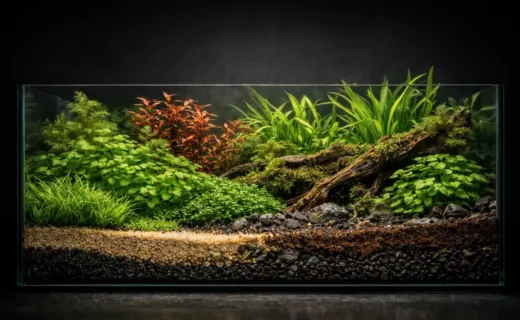
Aquarium Plants: Complete Guide to Plant Types, Layering & Nutrient Balance
Aquarium plants define the living identity of every aquascape. They create scale, depth, softness, and movement — while stabilizing water quality through nutrient uptake, oxygen production, and habitat creation for fish and shrimp.
This Aquarium Plants Guide brings together the core plant categories — Carpeting Plants, Midground Plants, Background Plants, and Epiphyte Plants — plus the two nutrient foundations that control long-term growth: Macronutrients (NPK) and Micronutrients (Trace Elements).
Most planted tanks do not fail because of “bad plants.” They fail because the system behind the plants is inconsistent: unstable light, fluctuating CO₂, nutrient imbalance, or poor placement. This pillar helps you choose plants strategically, layer them correctly, and build a planted aquarium that matures predictably — not chaotically.
What You’ll Learn in This Guide
- How aquarium plants structure an aquascape
- The four planting zones explained clearly
- How nutrients control long-term stability
- Common plant mistakes and how to avoid them
- How to choose plants based on energy level (low-tech vs high-tech)
What Are Aquarium Plants?
Aquarium plants are aquatic or semi-aquatic species cultivated submerged in freshwater tanks. They shape aquascape composition, regulate nutrients, stabilize oxygen levels, and provide shelter for aquatic life.
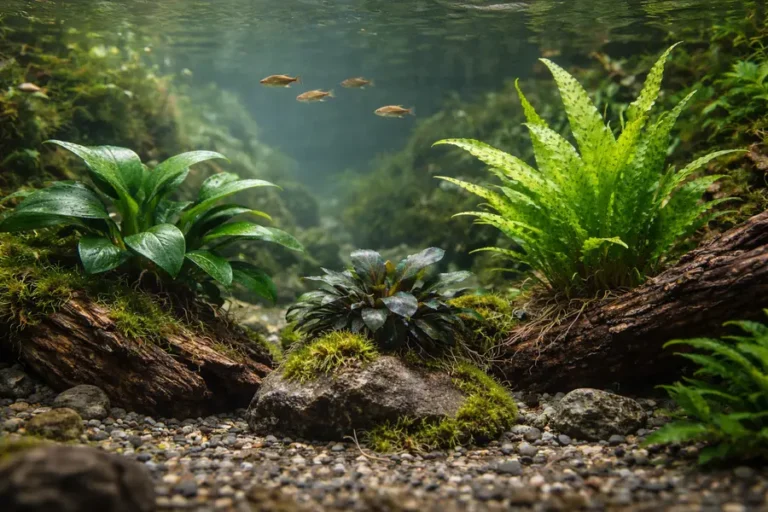
In aquascaping, they create natural illusions: carpets simulate grasslands, midground plants build structure, background plants form perspective, and epiphytes add detail to hardscape.
When chosen intentionally and grown within a stable system, aquarium plants reduce maintenance stress and enhance long-term layout balance.
Pick Your Plant Focus
Choose your desired outcome and explore the matching plant category:
- I want a clean foreground carpet that makes my layout look professional → Aquarium Carpeting Plants
- I want a structured mid-layer that creates depth and hides equipment → Aquarium Midground Plants
- I want tall plants that build natural depth and a strong background → Aquarium Background Plants
- I want low-maintenance plants that attach to rocks and wood → Epiphyte Aquarium Plants
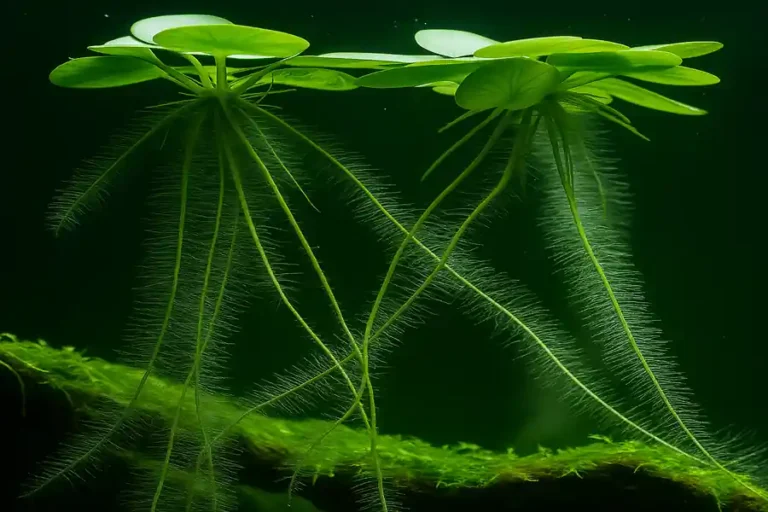
- I want floating plants that reduce algae and create natural surface shade → Floating Aquarium Plants
- I want to understand plant nutrition and long-term stability → Macronutrients (NPK) + Micronutrients
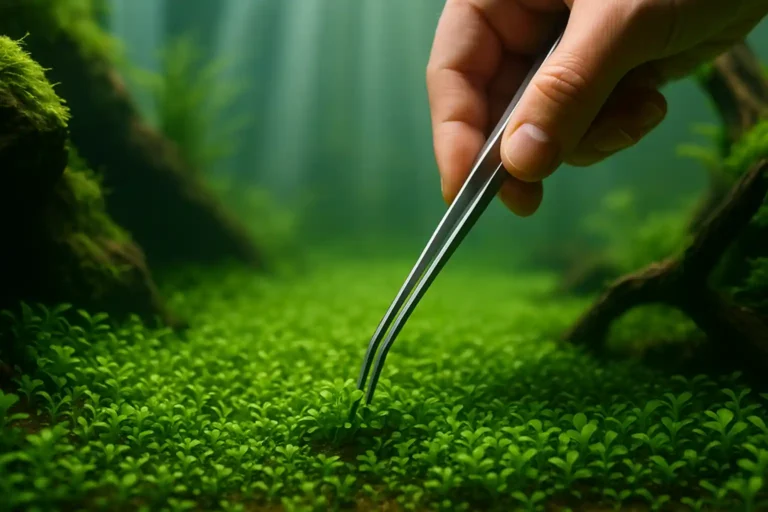
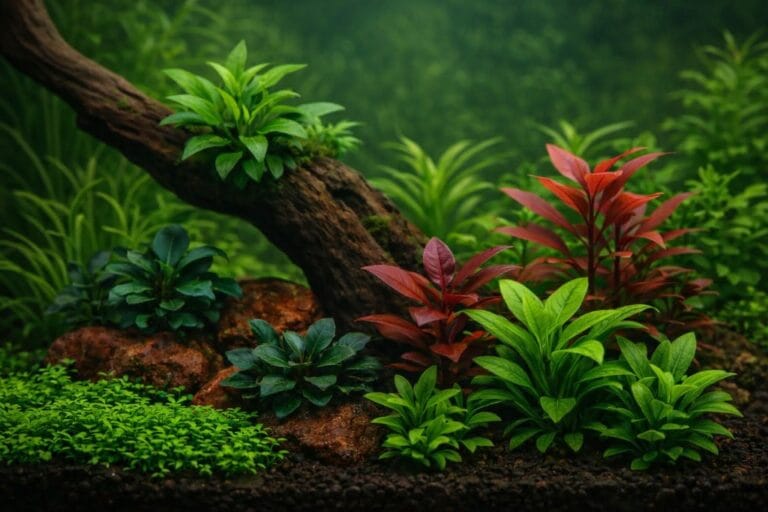
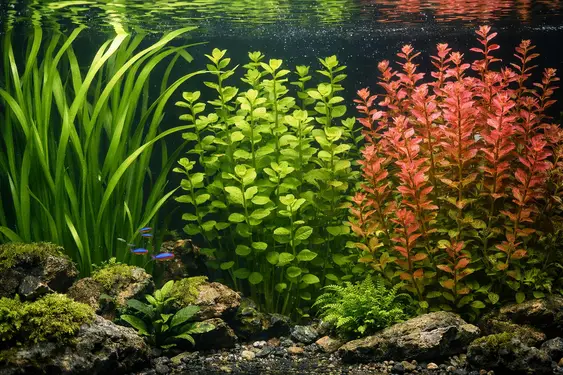
Plant System Philosophy
A planted aquarium is an energy system. Plants respond directly to light intensity, carbon availability, and nutrient balance. When these inputs are stable, plants grow cleanly and outcompete algae. When they fluctuate, algae fills the gap.
Light intensity must match carbon availability and circulation. See our Aquarium Lighting Guide and CO₂ System Guide to understand how energy input controls plant demand. Structural planting also interacts with hardscape layout — explore the Aquarium Hardscape Guide for deeper system design.
The higher the light, the stricter the system must be. High-energy setups demand stable CO₂ and consistent nutrient dosing. Low-tech tanks are more forgiving, but still require correct plant selection and controlled lighting.
Low-Tech vs High-Tech Plant Systems
Low-tech tanks operate with moderate lighting and no injected CO₂. Plant choice must be conservative and growth will be slower but stable.
High-tech systems use stronger lighting and pressurized CO₂, allowing dense carpets, red stem plants, and faster growth — but they require strict nutrient and maintenance discipline.
The higher the energy, the higher the consistency required.
Common Aquarium Plant Mistakes
Most planted tank problems trace back to predictable structural mistakes:
- Mismatched plant selection → demanding carpets or red stems in low-light tanks without CO₂.
- Too much light too early → algae during cycling phase.
- Unstable CO₂ → inconsistent growth and algae outbreaks.
- Ignoring nutrient balance → NPK without micros (or vice versa) leads to deficiencies.
- Overcrowding or underplanting → shading or unused nutrient space.
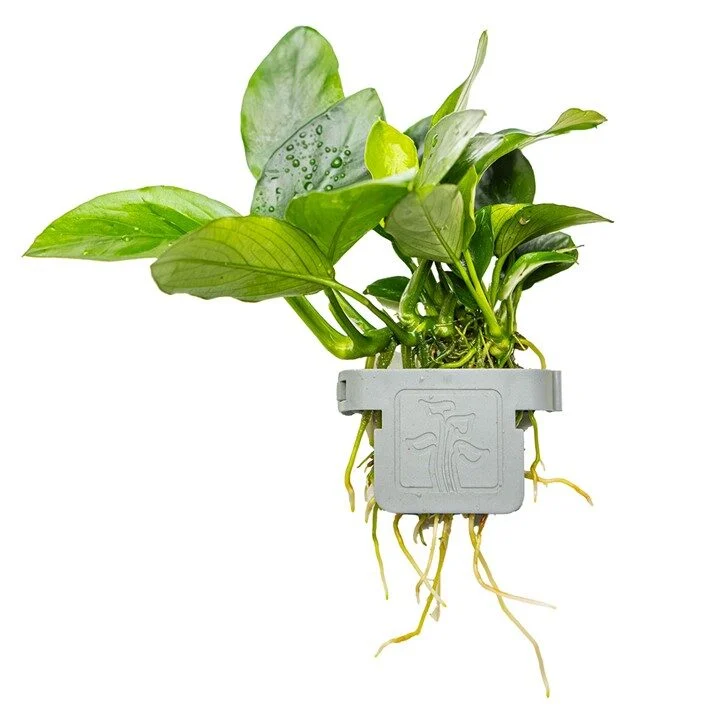
- Burying rhizomes → Anubias and Java Fern rot when the rhizome is covered.
Essential Planted Aquarium Setup
- Defined planting zones → foreground, midground, background, hardscape detail
- Controlled lighting → stable intensity and 6–8 hour photoperiod
- Carbon strategy → consistent CO₂ or realistic low-tech expectations
- Balanced nutrient dosing → macronutrients + micronutrients
- Strong circulation → prevent dead zones and algae buildup
- Regular water changes → export excess nutrients (see Aquarium Water Change Guide)
Comparison of Core Plant Categories
| Category | Main Role | Growth Pattern | Difficulty | Best For |
|---|---|---|---|---|
| Carpeting Plants | Foreground polish | Runners / matting | Beginner–Advanced (energy dependent) | Iwagumi, clean layouts |
| Midground Plants | Depth & structure | Clumps / compact stems | Beginner–Intermediate | Transitions & equipment masking |
| Background Plants | Height & backdrop | Fast stems / tall leaves | Beginner–Intermediate | Perspective & volume |
| Epiphyte Plants | Hardscape detailing | Rhizomes / mosses | Beginner | Low-tech & shrimp tanks |
| Macronutrients | Growth fuel | High demand in bright tanks | Intermediate | Dense planting systems |
| Micronutrients | Color & enzyme control | Low-dose trace supply | Intermediate | Red plants & stable growth |
Frequently Asked Questions
Which aquarium plants are best for beginners?
Epiphytes like Anubias and Java Fern are ideal for beginners. They tolerate low light and do not require CO₂ or rich substrate.

Do aquarium plants need CO₂?
Many plants grow without CO₂. However, high-light or carpet-heavy aquascapes benefit significantly from stable CO₂ injection.
Why are my plants melting?
Most melt happens due to adaptation stress, unstable CO₂, or excessive light during early setup. Maintain stable parameters and trim damaged leaves.
What is the difference between macro and micronutrients?
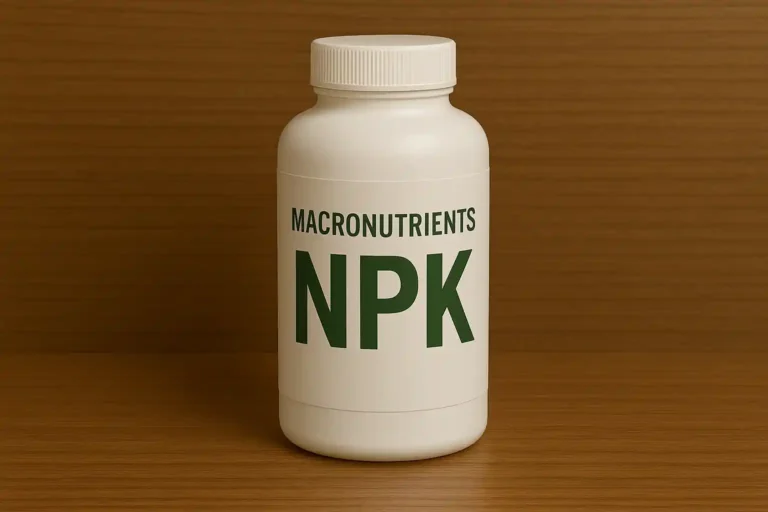
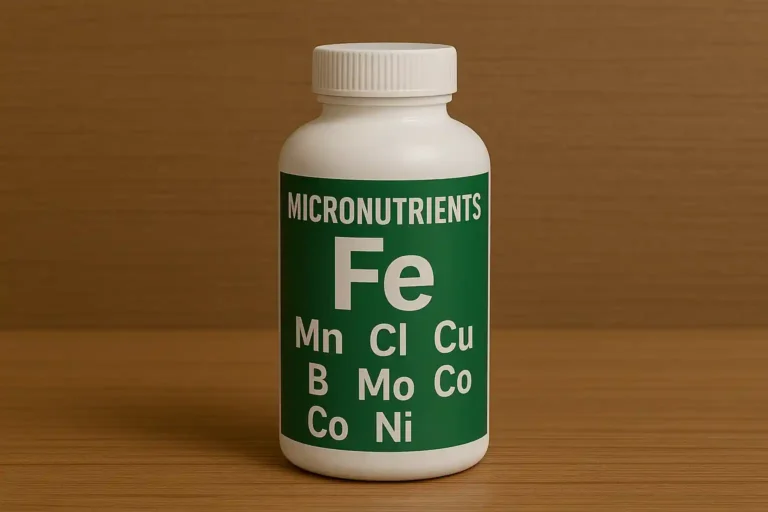
Macronutrients (NPK) are required in larger quantities for growth. Micronutrients like iron and manganese are required in small amounts for enzyme function and coloration.
How do I prevent algae on slow-growing plants?
Keep light moderate, ensure stable CO₂ (if used), maintain gentle flow, and remove affected leaves early.
Conclusion
Aquarium plants are the living engine of a planted tank. When light, carbon, and nutrients are balanced, growth becomes stable, algae remains controlled, and your aquascape matures beautifully over time.
Ready to plant?
Choose your plant category above and design your aquascape around stability and structure.
New to AquariumLesson? Start with our complete Aquarium Lessons Hub or return to the homepage at AquariumLesson.com.